

24 Services | All 178 Florida Communities
Rodent Control Services Across Florida
Rodent work splits into three jobs that most companies sell as one: getting the animals out, sealing the building so they cannot come back, and cleaning up what they left behind. Here is all of it, and what each part actually involves.
All Services
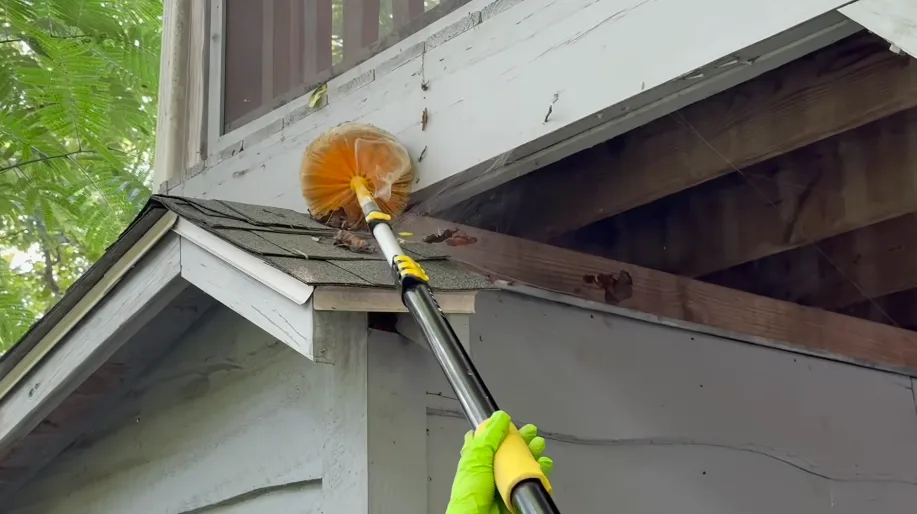
Every Rodent Service We Refer, Grouped by What It Does
If you are not sure which you need, start with the free inspection. A proper survey tells you which of the three phases your house actually requires, and frequently that is not all of them.
Removal & Wildlife
Getting the animals out, and the species that are not rodents at all.
Exclusion & Proofing
Sealing the building so they cannot come back. This is the part that actually ends it.
Attic, Damage & Inspection
Cleaning up what they left behind, and finding it before somebody else does.
Not sure what you are hearing overhead? We will identify it for free.
Coverage
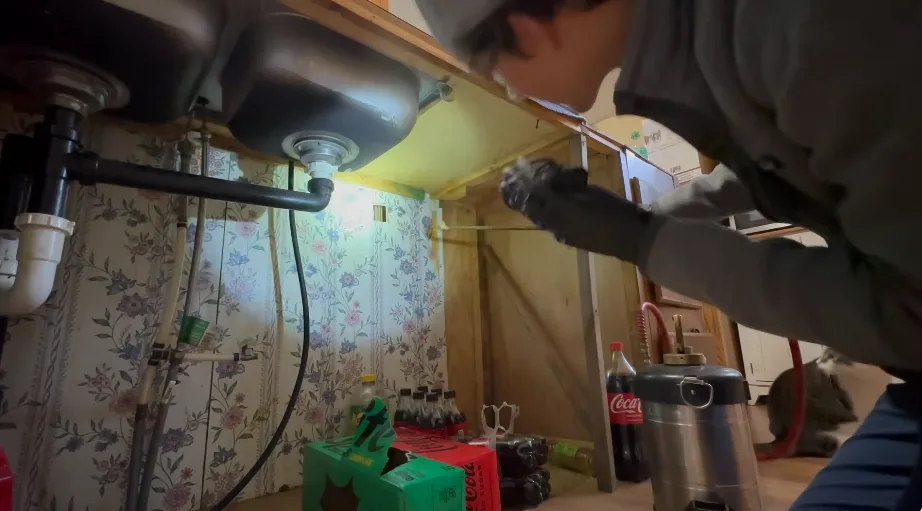
Every Service Available in All 178 Florida Communities
We refer FDACS-licensed operators across nine Florida regions. Each community below has its own page covering the housing stock, the seasonal pattern and the entry points specific to that place, because they genuinely differ.
If your community is not listed, call and we will confirm coverage before anything is scheduled. See the full Florida service area map for all nine regions.
Questions
Frequently Asked Questions
How do I know which service I need?
Start with the free inspection. Rodent work splits into three jobs and most companies sell them as one: getting the animals out, sealing the building so they cannot come back, and cleaning up what they left behind. A proper survey tells you which of the three you actually need, and frequently that is not all of them.
Do I need my attic insulation replaced?
Not always, and you should be told so. Light droppings across a limited area of intact insulation can often be cleaned and treated. Replacement is warranted with widespread urine saturation, insulation flattened into nesting beds across a large area, contamination in the return air path, or odour that persists after cleaning.
Do you use poison?
Not as a default. A poisoned rat does not go outside to die, it dies inside your wall, which turns a rodent job into an odour job. And rodenticide creates secondary poisoning risk for Florida owls, hawks and other raptors, as well as for pets.
How long does the whole job take?
Sealing is typically one to two days on site depending on the structure and the number of openings. Trapping and verification run alongside and generally take two to four weeks before zero activity is confirmed. Attic restoration, if needed, is scheduled after that.
Are the operators you refer licensed?
Yes. Florida regulates pest control under Chapter 482, Florida Statutes, administered by FDACS, and rodent work falls under General Household Pest and Rodent Control. Wildlife species are additionally regulated by the Florida Fish and Wildlife Conservation Commission. Your assigned operator provides their licence number on your written estimate.
What does it cost?
Exclusion prices by openings, not by rats. A newer home with three to five entry points typically runs $500 to $800 in sealing, while an older property with fifteen to twenty five openings can run $1,500 to $3,000. Published Florida data puts most residential rodent removal jobs between roughly $85 and $900 depending on severity, with full attic remediation above that.
Read Next
Guides Worth Reading Before You Book
Before you pick a service or a region, these three guides cover what you are looking at, how to judge a company, and what it should cost.
Free inspection, written quote, photographs of everything we find.