

Same Day
Emergency Rodent Removal in Florida
Some rodent calls can wait for a scheduled inspection. Some cannot. Here is an honest account of which is which, because most of what gets sold as emergency rodent work is not urgent and some genuinely is.
What Counts
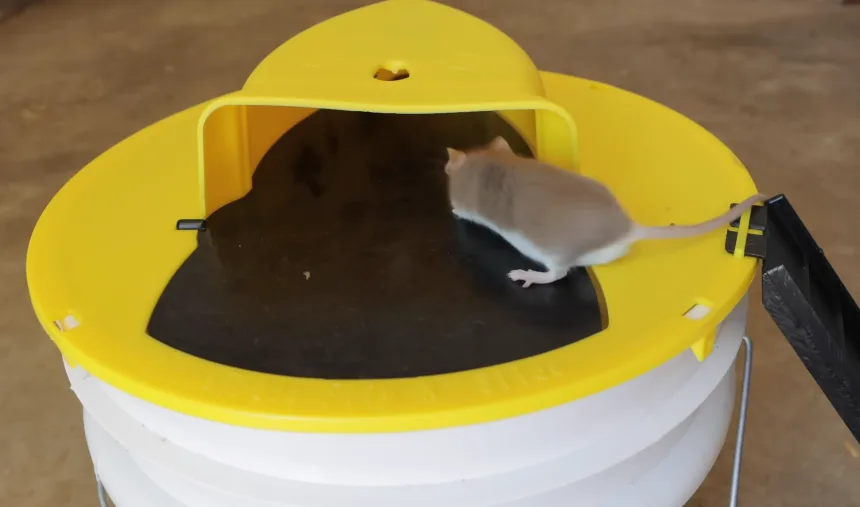
What Is Actually an Emergency, and What Is Not
We would rather tell you your situation can wait than charge you a premium for urgency you do not need. So here is the honest split.
Genuinely urgent. A rodent loose inside living space, particularly with children, elderly residents or anyone immunocompromised in the house. A dead animal odour making a room unusable. A rodent in or around an electrical panel. Visible chewed wiring you can smell heating. Contamination in the return air path, which means attic air is circulating into living space. A commercial food premises with a health inspection imminent or in progress. And an animal trapped somewhere it is distressed and audible, which is unpleasant for everyone including the animal.
Urgent but not same day. A closing or insurance renewal deadline inside a couple of weeks. A vacation rental with a guest arriving. Active daytime noise, which indicates a large colony, though a large colony that has been there months will survive another two days.
Not an emergency, despite how it feels. Nighttime scratching in the attic with no other symptoms. Droppings found in the garage. A single sighting outdoors. These are real problems that need proper work, and nothing meaningfully worsens between Tuesday and Friday.
That last category is where most emergency pricing gets sold. Scratching at two in the morning is genuinely distressing and it does not make the job more urgent, only more unpleasant to wait through.
Rodent loose in the house, or a smell you cannot live with? Call now.
Right Now
What To Do Before Anyone Arrives
- Rodent loose indoors. Close interior doors to confine it to one room, put a towel along the gap under the door, and leave one exterior door or window to the outside open if it is safe to. Most animals leave on their own given a route.
- Do not chase it. A cornered rodent will move unpredictably and may bite. Confining and waiting works better than pursuing.
- Do not put down poison. Especially not now. A poisoned animal dies inside your wall, and you have converted an unpleasant evening into a decontamination job.
- Suspected electrical involvement. If you can smell heating, see scorching or the problem is at the panel, switch off the affected circuit and call an electrician alongside us. That is a fire risk first and a rodent problem second.
- Keep children and pets clear. Of the affected room, the attic access and any droppings.
- Do not sweep or vacuum droppings. Disturbing dried material puts contaminated dust into the air, and it will still be there tomorrow when somebody with proper protection can deal with it.
If there is a person in the house who is immunocompromised, pregnant, elderly or very young, say so when you call. It changes the priority and it changes how the contaminated material is handled.
Speed has limits, and you should know them
A same day visit can remove a loose animal, locate and remove a carcass, make a property safe and get the inspection done. What it cannot do is complete an exclusion. Trapping and verification take two to four weeks before zero activity is confirmed, and attic restoration comes after that. Anyone promising a complete resolution today on an established colony is describing a bait drop, and you know from the rest of this site what that leads to.
The Process
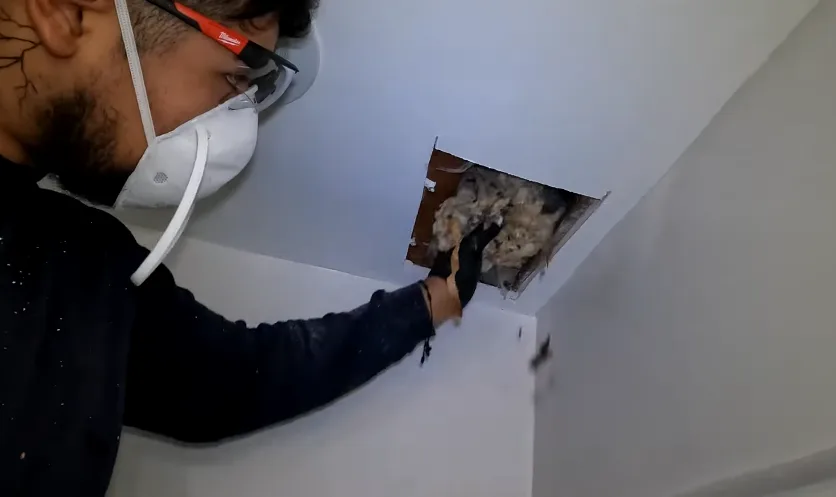
How an Emergency Call Runs
- Triage on the phone. What you are seeing or smelling, where, and who is in the house. That decides urgency honestly.
- Immediate guidance. What to do in the meantime, which is often more useful than the visit timing.
- Same day attendance where warranted. Loose animal, odour, electrical or health premises.
- Make safe first. Animal removed, carcass located, area isolated.
- Full inspection while on site. Because the underlying entry point is why it happened.
- Scheduled programme for the actual fix. Trapping, verification and exclusion on the normal timeline.
The emergency visit solves the immediate problem. The programme that follows is what stops it recurring, and the two are quoted separately so you can see which is which.
Call and describe it. We will tell you honestly if it can wait.
Cost
What Emergency Response Costs
These are published national and Florida ranges. Out of hours and same day attendance normally carries a premium, and it should be disclosed before anyone is dispatched.
| Item | Typical range |
|---|---|
| Standard inspection | Free, no obligation |
| Same day or out of hours attendance | Premium, disclosed before dispatch |
| Loose animal removal | $150 to $400 |
| Dead rodent locating and removal | $150 to $400, higher if wall access needed |
| Follow on exclusion programme | $400 to $1,200 and up, quoted normally |
Ask what the premium is before you agree to dispatch. A company that will not tell you the urgency surcharge on the phone is telling you something about the invoice.
Questions
Frequently Asked Questions
Is scratching in the attic at night an emergency?
Honestly, no, though it is genuinely distressing. Nothing meaningfully worsens between Tuesday and Friday. What is urgent is a rodent loose in living space, an odour making a room unusable, anything involving the electrical panel, contamination in the return air path, or a food premises facing inspection.
There is a rat running around my kitchen. What do I do right now?
Confine it to one room by closing interior doors, put a towel along the gap under the door, and if it is safe leave one exterior door or window open. Do not chase it, because a cornered rodent moves unpredictably and may bite. Most leave on their own given a route out.
Can you fix it today?
A same day visit can remove a loose animal, locate a carcass, make the property safe and complete the inspection. It cannot complete an exclusion, because trapping and verification take two to four weeks. Anyone promising full resolution today on an established colony is describing a bait drop.
Should I put poison down while I wait?
No, and especially not now. A poisoned animal dies inside your wall, which converts an unpleasant evening into a decontamination and odour job. It also creates secondary poisoning risk for raptors and pets.
Someone in the house is immunocompromised. Does that change things?
Yes, tell us when you call. It changes both the priority of the visit and how contaminated material is handled on site.
Are the operators you refer licensed?
Yes. Florida regulates pest control under Chapter 482, Florida Statutes, administered by FDACS, and rodent work falls under General Household Pest and Rodent Control. Wildlife species are additionally regulated by the Florida Fish and Wildlife Conservation Commission. Your assigned operator provides their licence number on your written estimate and you can verify it through the FDACS licensee search at fdacs.gov.
Do you use poison?
Not as a default. A poisoned animal does not go outside to die, it dies inside your wall, which turns one job into an odour job. And rodenticide creates secondary poisoning risk for Florida owls, hawks and other raptors, as well as for pets.
Related services: Dead Rodent Removal, Rat Removal, Rodent Damage Repair, Rodent Inspection.
Coverage
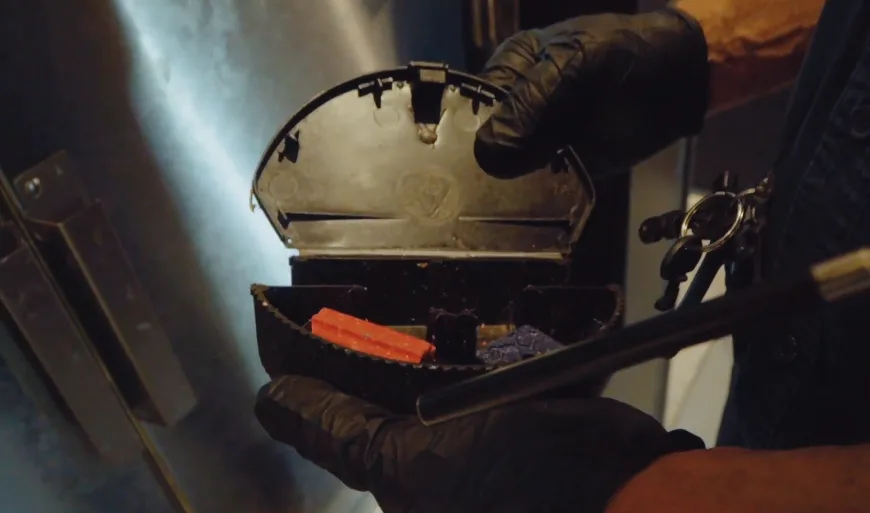
Emergency Rodent Removal Across Nine Florida Regions
Emergency Rodent Removal is available through the FDACS-licensed operators we refer across 178 Florida communities. The conditions differ by region, so pick yours below and the page will tell you what actually drives rodent problems there and every community we cover inside it.
Not sure which region you are in? Call with your ZIP and we will confirm coverage before anything is scheduled, or see the full Florida service area map.
Read Next
Guides Worth Reading Before You Book
Background reading that will help you judge a quote, understand what the work involves, and know what to expect before anyone comes out.
Describe what is happening and we will tell you straight.