

Restoration
Attic Restoration in Florida After Rodents
Getting the animals out is the first half. The attic is the second half, and it decides whether the house is actually clean, whether your cooling bill goes back down, and whether the next insurance inspection passes.
Sequence
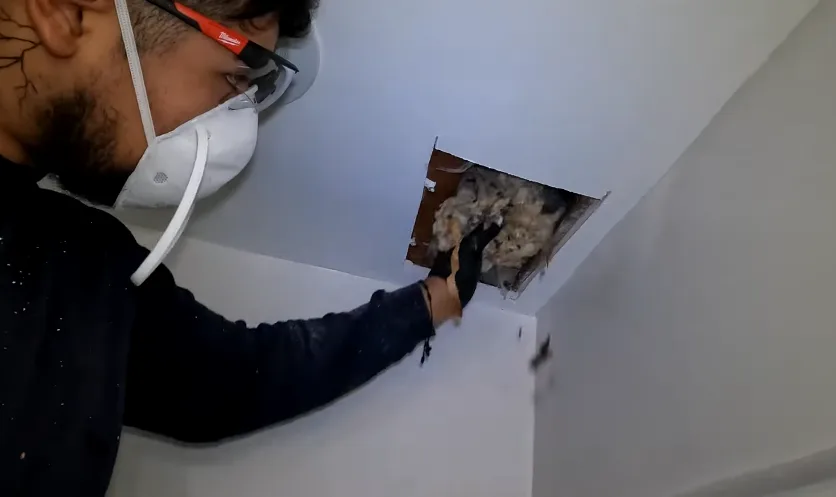
The Order Matters, and Here Is the Honest Version
Attic restoration is the largest line on most rodent invoices, which makes it the part of this trade where you should ask the most questions.
The correct sequence is inspect, exclude and trap together, verify zero activity, and only then remediate the attic. Not because it is tidier that way, but because the alternatives fail in specific expensive ways.
Seal a house with rats still inside and they chew new openings to get out, which means fresh structural damage, or they die in the wall voids and you have an odour job on top of the original problem. Clean and re insulate before the animals are confirmed gone and you have paid for restoration that gets recontaminated within weeks.
So here is the part that costs some companies money to say plainly. If somebody quotes you insulation replacement on the first visit, before a single trap has been set, ask them why. There is no way to know on day one whether the attic needs full replacement, because you do not yet know how far the contamination extends or whether the population is out.
And a second honest point. You do not always need new insulation. Some national operators argue that costly re insulation is pushed far more often than it is needed, and on that specific point they have a fair argument.
Quoted for insulation replacement on the first visit? Get a second opinion.
When It Is Warranted
Do You Actually Need New Insulation?
- Widespread urine saturation. This is the real trigger. Urine is what destroys R value and it is what you cannot spot clean out of blown in material.
- Insulation flattened into nesting beds across a significant area. Compressed material has lost its performance permanently.
- Contamination reaching the return air path. Once the duct or chase is involved it stops being an attic problem.
- Odour persisting after cleaning. If the smell survives treatment, the material is holding it and it has to go.
- Existing insulation already below current standards. If it needed replacing anyway, doing it while the attic is open is the efficient moment.
Light droppings across a small area of otherwise intact insulation can usually be spot cleaned and treated. That is a materially cheaper job and you should be told when it is the right one.
Why it matters more in Florida than up north: compressed and contaminated insulation loses R value, and here that shows up as a cooling load penalty across roughly nine months of the year rather than a heating penalty across three. Your attic is fighting Florida heat almost continuously.
The hidden benefit nobody advertises
Pulling insulation is the only time anyone gets an unobstructed view of the underside of your roof deck and the top plates of your walls. Every job where insulation comes out, entry points, water intrusion and wiring damage turn up that were invisible with it in place. It doubles as the most thorough structural survey your attic will ever get, which is worth asking for photographs of while the deck is exposed.
The Process
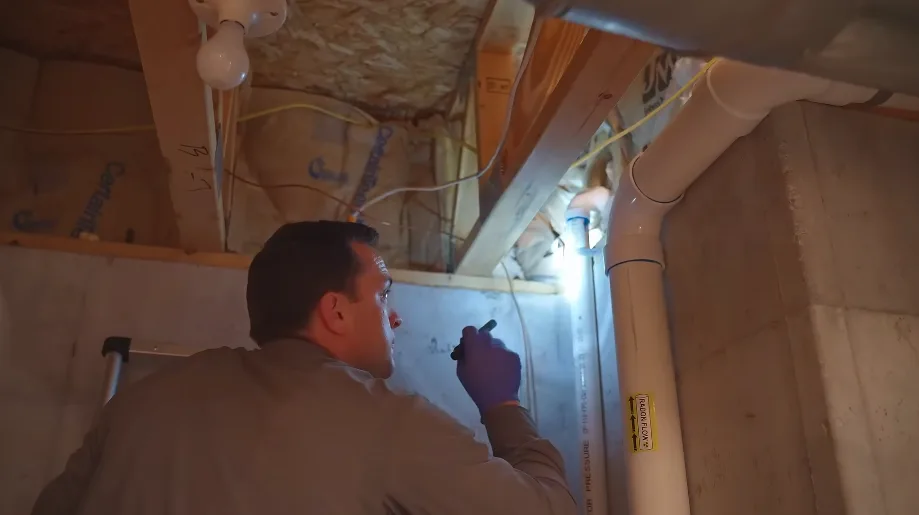
What Full Attic Restoration Involves
- Verification first. Zero rodent activity confirmed before restoration begins.
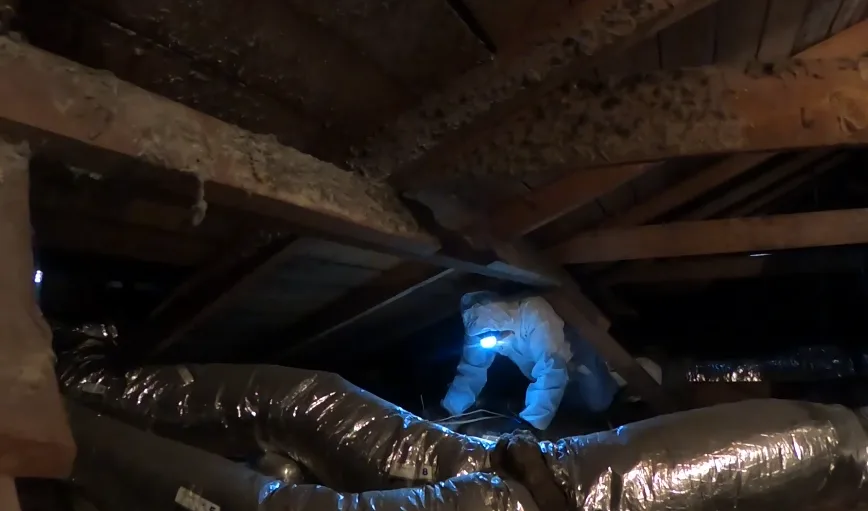
- Removal. Contaminated insulation, nesting material and debris vacuumed out and bagged for disposal.
- Deck inspection. The exposed roof deck and top plates surveyed and photographed while visible.
- Sanitising. HEPA filtered vacuuming, enzymatic cleaner to break down organic residue, then an appropriate antimicrobial treatment.
- Deodorising. The pheromone trail removed, because the scent of a previous colony attracts the next one.
- Re insulation. New material blown in at the correct depth for Florida climate zones.
Restoration is typically one to two days on site once verification is complete. It is scheduled after the trapping period, not alongside it.
Ask what your attic actually needs, not what the package includes.
Cost
What Attic Restoration Costs in Florida
These are published national and Florida ranges. The spread is wide because a spot clean and a full replacement are genuinely different jobs.
| Item | Typical range |
|---|---|
| Attic cleanup and sanitising | $300 to $1,000 |
| Minor contamination, spot clean and treat | $150 to $600 |
| Insulation removal and replacement | $1,000 to $3,000 |
| Full attic remediation, all stages | $1,500 to $5,000 |
| Post removal electrical inspection | $100 to $200 |
Attic size, pitch and access drive the labour more than anything else. A low pitch attic with limited walkboard is slower and more expensive to work than a tall open one, regardless of contamination level.
Questions
Frequently Asked Questions
Do I actually need my insulation replaced?
Not always. Light droppings across a limited area of otherwise intact insulation can often be cleaned and treated. Replacement is warranted with widespread urine saturation, insulation flattened into nesting beds across a large area, contamination in the return air path, or odour that persists after cleaning.
Can I clean up the droppings myself?
Please do not sweep or vacuum them. Disturbing dried droppings puts contaminated dust into the air you are standing in. Florida Department of Health rodent guidance directs homeowners toward identifying the evidence rather than disturbing it. Keep children and pets away from the attic access.
Is rodent contamination in the attic dangerous?
Rodents are associated with several diseases relevant here, including leptospirosis, hantavirus and salmonella, spread through droppings, urine and saliva. For a typical homeowner in a typical infestation the risk is low but not zero, and it rises with the amount of material and with disturbance. The sensible response is proper protective equipment and proper removal.
Will new insulation lower my power bill?
It can. Compressed and urine saturated insulation loses R value, and in Florida that shows up as a cooling penalty across most of the year. The size of the saving depends on how degraded the existing material is and what replaces it.
Why does the order matter so much?
Because restoration before verification gets recontaminated, and sealing before removal traps animals inside your walls. Doing the expensive step before the effective one is the most common and most costly mistake in this trade.
Are the operators you refer licensed?
Yes. Florida regulates pest control under Chapter 482, Florida Statutes, administered by FDACS, and rodent work falls under General Household Pest and Rodent Control. Your assigned operator provides their licence number on your written estimate and you can verify it through the FDACS licensee search at fdacs.gov before work begins.
Do you use poison?
Not as a default. A poisoned rat does not go outside to die, it dies inside your wall, which turns a rodent job into an odour job. And rodenticide creates secondary poisoning risk for Florida owls, hawks and other raptors, as well as for pets. The approach is mechanical: trapping plus permanent exclusion.
Related services: Attic Cleanup and Sanitising, Insulation Removal and Replacement, Rodent Exclusion, Dead Rodent Removal.
Coverage
Attic Restoration Across Nine Florida Regions
Attic Restoration is available through the FDACS-licensed operators we refer across 178 Florida communities. The conditions differ by region, so pick yours below and the page will tell you what actually drives rodent problems there and every community we cover inside it.
Not sure which region you are in? Call with your ZIP and we will confirm coverage before anything is scheduled, or see the full Florida service area map.
Read Next
Guides Worth Reading Before You Book
Background reading that will help you judge a quote, understand what the work involves, and know what to expect before anyone comes out.
Get the attic assessed honestly, phase by phase, in writing.