

Safety
Do Not Vacuum Rodent Droppings. Here Is Why.
It is the first instinct almost everyone has, and it is the one thing you should not do. Disturbing dried rodent waste puts contaminated dust into the air you are standing in.

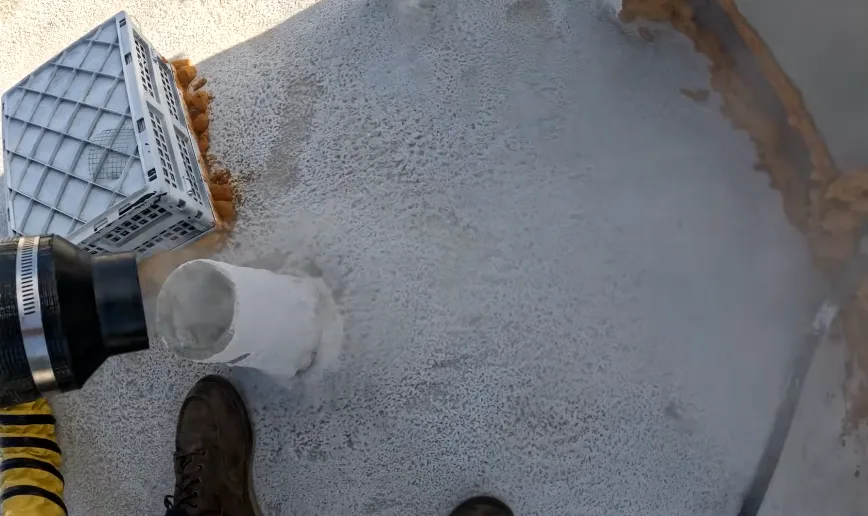
Can I vacuum or sweep up rodent droppings?
No. Vacuuming or sweeping dried rodent droppings aerosolises contaminated dust, which is the primary exposure route for hantavirus and other rodent borne pathogens. A domestic vacuum without HEPA filtration also passes fine particles straight back into the room. The correct approach is ventilation first, then wetting the material down before removal, gloves and appropriate respiratory protection, and disposal in sealed bags. In an attic with established contamination it is a professional decontamination job.
This page is general safety guidance rather than medical advice. If you have handled rodent contamination and later develop respiratory symptoms or fever, speak to a doctor and tell them about the exposure.
The Reason
Why Disturbing Dried Waste Is the Problem
Rodent droppings, urine and nesting material dry out over time. The hazard is not the material sitting still, it is the material being disturbed. Sweeping, vacuuming, brushing or moving contaminated insulation lifts fine particles into the air, and inhalation is the primary exposure route for rodent borne pathogens including hantavirus.
A domestic vacuum makes this actively worse. Without genuine HEPA filtration, fine particles pass through the filter and out the exhaust, which is to say the vacuum takes contaminated dust off the floor and distributes it around the room at head height.
Do This Instead
The Safer Sequence for Small Amounts
- Ventilate first. Open windows and doors and leave the space for at least 30 minutes before entering to work.
- Wear protection. Disposable gloves, and respiratory protection rather than a cloth or surgical mask. Eye protection where you will be working overhead.
- Wet it down. Spray the droppings and the surrounding area with a disinfectant solution and let it soak for several minutes. Wet material does not aerosolise.
- Wipe or pick up, do not sweep. Use paper towels and place them directly into a bag.
- Double bag and seal. Dispose in an outdoor bin.
- Disinfect the surface. Then remove gloves and wash your hands thoroughly.
That sequence is reasonable for a small quantity on a hard surface: a few droppings in a cupboard or on a garage shelf.
When It Is Not DIY
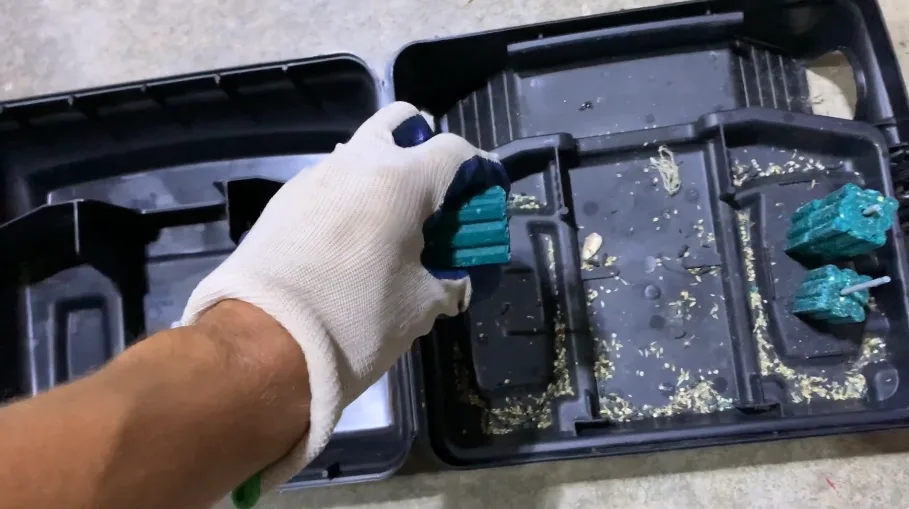
When to Stop and Call Somebody
- An attic with established contamination. Droppings across insulation, urine saturation and nesting beds are not a paper towel job.
- Any contamination in the return air path. If the affected area connects to your HVAC return, you are circulating it into living space.
- Enclosed or poorly ventilated spaces. Crawl spaces, sub areas and sealed attics concentrate airborne particles.
- Large volume or long standing material. Months of accumulation in an unventilated attic is a decontamination job with proper equipment.
- Bat guano. Different hazard, and in quantity it can harbour Histoplasma fungal spores.
- Raccoon latrine sites. These can carry Baylisascaris procyonis, raccoon roundworm, which is a genuine reason not to disturb one without proper protection.
- Anyone immunocompromised, pregnant, elderly or very young in the household. Say so when you call, because it changes how material is handled.
Professional
What Professional Decontamination Involves
Proper attic remediation is not spraying something and leaving. It runs: full protective equipment and respiratory protection, HEPA filtered vacuuming rather than domestic equipment, removal and bagging of contaminated insulation where warranted, enzymatic cleaner to break down organic material, an antimicrobial treatment, and deodorising to address the pheromone trail rodents leave behind.
That last part matters more than people expect. Rodent urine marks a trail that signals a route to other rodents, so a cleanup that removes visible material without addressing the scent trail leaves the invitation in place.
Sequence
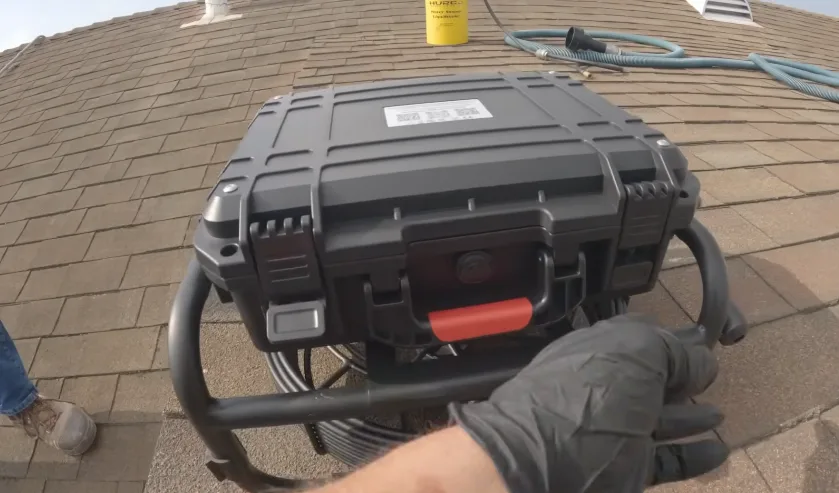
And It Happens Last, Not First
Decontamination is the final phase, after the animals are confirmed gone. Cleaning and re insulating an attic that still has rodents in it means paying for the work twice. If somebody quotes attic cleanup or insulation replacement on the first visit, before a single trap has been set, ask them why.
Attic contamination? HEPA, enzyme and antimicrobial, in full protection.
Questions
Frequently Asked Questions
Is it safe to vacuum rodent droppings with a HEPA vacuum?
A genuine HEPA vacuum is what professionals use, but the risk is in the disturbance as much as the filtration, which is why proper procedure wets material down first and uses full respiratory protection. A domestic vacuum without HEPA should not be used at all.
What is the actual health risk?
Rodent droppings, urine and nesting material can carry hantavirus and other pathogens, with inhalation of aerosolised dried material the primary exposure route. That is why disturbance without protection is the specific thing to avoid.
Can I just spray disinfectant and leave it?
Wetting the material down is the right first step, but leaving contaminated material in place does not solve it, particularly in an attic where it continues to degrade and where the pheromone trail signals a route to other rodents.
Does my insulation need replacing after contamination?
Not always. Light droppings across a limited area of intact insulation can usually be cleaned and treated. Replacement is warranted with widespread urine saturation, nesting beds across a large area, contamination in the return air path, or odour that persists after cleaning.
What about bat guano or raccoon waste?
Both are different hazards. Bat guano in quantity can harbour Histoplasma fungal spores, and raccoon latrine sites can carry Baylisascaris procyonis. Neither should be disturbed without proper protective equipment.
Keep Reading