

New Builds
New Construction Rodent Proofing in Florida
The question we field most often in Nocatee, Horizon West, Tradition and every other Florida growth corridor is the same: the house is two years old, how did rats get in? New does not mean sealed.
Why New Houses Get Rats
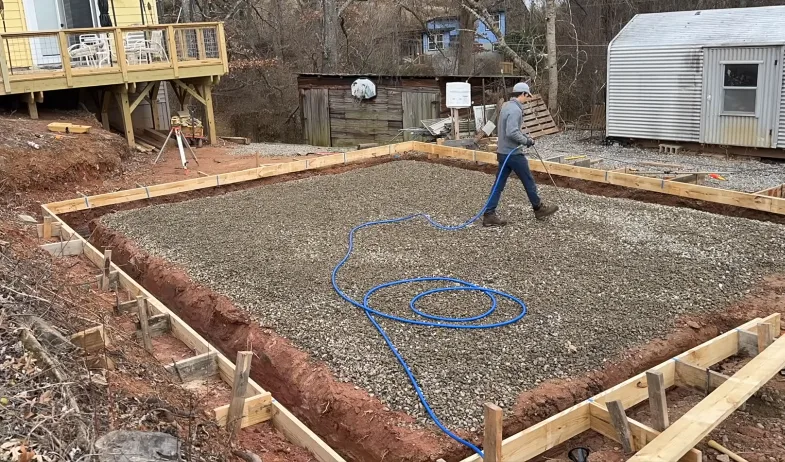
Four Things Working Against a Brand New Build
Homeowners assume age causes rodent entry, so a new house feels like it should be immune. In practice a two year old house in a growth corridor can have more entry points than a thirty year old one in an established neighbourhood, and there are four reasons.
The detail has not settled. Soffit and fascia are fitted to a structure that is still moving. Trusses settle, framing dries and shrinks, and the panel that seated perfectly at handover has a gap eighteen months later. Nobody goes back to check.
Penetrations were sealed by whoever made them. The HVAC installer sealed the line set hole with what was on the truck. The plumber sealed the vent. The electrician sealed the service entry. Almost always foam or caulk, which rodents remove in days, and nobody coordinates a final envelope check.
Temporary openings never got closed. Construction leaves provisional penetrations, and closing them is somebody’s last job on a schedule under pressure. A proportion simply do not get done.
The land next door is being cleared. This is the big one. Every new phase displaces whatever was living on that parcel, and those animals move to the nearest shelter, which is the finished street. Your new house is the closest dry building to an active clearing operation.
Put those together and the picture makes sense. It is not that the house is defective. It is that a new build in an active corridor faces maximum pressure against an envelope that has never been properly checked.
New build and hearing something? It is more common than you think.
Where To Look
The Openings That Show Up on New Florida Homes
- AC line set and condensate penetrations. The most common single opening on a new Florida house, and almost always foam sealed.
- Return air chases. Where the return path runs through the attic, a compromised chase moves attic air into living space.
- Soffit to fascia gaps from settlement. Usually appearing twelve to twenty four months after handover.
- Open tile ends where closures were incomplete. Fast reroof and fast new build tile work frequently leaves runs unclosed.
- Garage door corner seals. Factory seals on new doors are fine when fitted and poor at the corners once the door has been used a few hundred times.
- Plumbing and dryer vent penetrations. Exterior flaps and escutcheons that were never properly sealed behind.
Warranty is worth raising here. Some of this is builder warranty work rather than something you should be paying to fix, particularly incomplete penetration sealing and temporary openings never closed. A photographed survey is what turns that from an argument into a claim.
The best time is before you hear anything
If a new phase is breaking ground within a few hundred yards of you, that is the moment to have the envelope closed. Clearing displaces the population within days, and the houses that stay quiet through it are the ones that were already sealed. Waiting until you hear activity means you are excluding a population that has already found a way in, which is a larger and more expensive job than preventing entry in the first place.
The Process
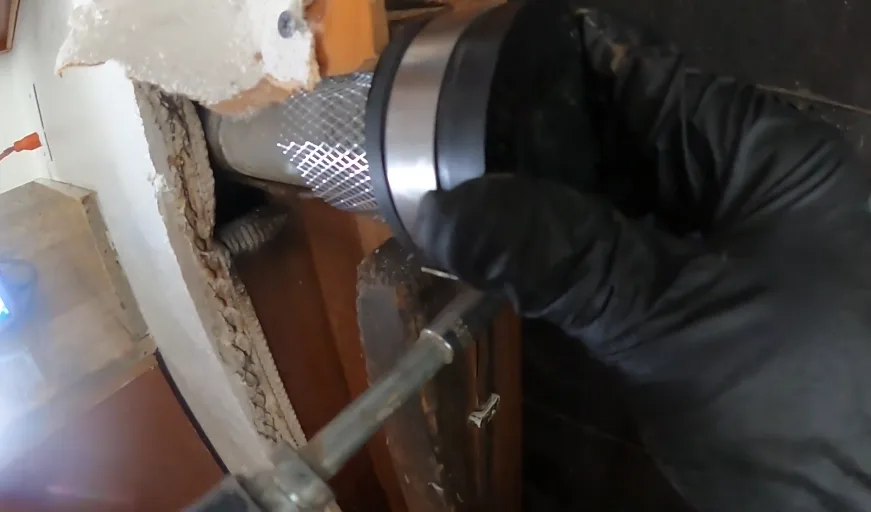
How New Build Proofing Is Done
- Full envelope survey. Roofline and ground level, with particular attention to mechanical penetrations, photographed.
- Warranty assessment. Flagging what is arguably builder responsibility before you pay for it.
- Trapping only where there is activity. Many new build jobs are prevention rather than removal.
- Penetrations resealed properly. Copper mesh behind sealant, or metal escutcheons, replacing foam.
- Soffit reseated and roofline closed. In metal, along full runs where settlement has opened them.
- Documentation. A written entry point map, useful for a builder warranty conversation.
New build work is usually faster and cheaper than an equivalent older home, because there are fewer openings and they are in predictable places on a known plan type.
Building next door? Get sealed before the clearing starts.
Cost
What New Build Proofing Costs
These are published national and Florida ranges. New construction sits at the lower end of exclusion pricing because openings are fewer and consistent across a plan type.
| Item | Typical range |
|---|---|
| Inspection | $75 to $150, often credited |
| Newer home, 3 to 5 entry points | $500 to $800 |
| Penetration resealing only | Lower, quoted per opening |
| With active infestation, add trapping | $150 to $600 |
| Attic restoration if established | $1,500 to $5,000 |
If several neighbours on the same plan type coordinate, the survey is faster because the failure points are already known, and it is worth asking whether that is reflected in the quote.
Questions
Frequently Asked Questions
My house is two years old. How did rats get in?
Four things. Soffit and fascia detail settles after handover and opens gaps. Mechanical penetrations were sealed with foam by whichever trade made the hole. Temporary construction openings sometimes never got closed. And clearing on the next phase displaces whatever was living there into your finished street.
Is this the builder’s responsibility?
Some of it arguably is, particularly incomplete penetration sealing and temporary openings never closed. A photographed survey is what turns that from an argument into a warranty claim, so get the documentation before you pay to fix anything.
They are clearing land near me. What should I do?
Get the envelope closed now rather than after you hear something. Clearing displaces the population within days, and the houses that stay quiet through it are the ones that were already sealed. Preventing entry is materially cheaper than excluding an established population.
Are new builds cheaper to seal than old houses?
Usually yes. Openings are fewer and they are in predictable places on a known plan type, so the survey is faster and the sealing is smaller. A newer home with three to five entry points typically runs $500 to $800 against $1,500 to $3,000 for an older one with fifteen to twenty five.
Are the operators you refer licensed?
Yes. Florida regulates pest control under Chapter 482, Florida Statutes, administered by FDACS, and rodent work falls under General Household Pest and Rodent Control. Wildlife species are additionally regulated by the Florida Fish and Wildlife Conservation Commission. Your assigned operator provides their licence number on your written estimate and you can verify it through the FDACS licensee search at fdacs.gov.
Do you use poison?
Not as a default. A poisoned animal does not go outside to die, it dies inside your wall, which turns one job into an odour job. And rodenticide creates secondary poisoning risk for Florida owls, hawks and other raptors, as well as for pets.
Related services: Rodent Exclusion, Soffit and Eave Sealing, Garage and Lanai Proofing, Rodent Inspection.
Coverage
New Construction Rodent Proofing Across Nine Florida Regions
New Construction Rodent Proofing is available through the FDACS-licensed operators we refer across 178 Florida communities. The conditions differ by region, so pick yours below and the page will tell you what actually drives rodent problems there and every community we cover inside it.
Not sure which region you are in? Call with your ZIP and we will confirm coverage before anything is scheduled, or see the full Florida service area map.
Read Next
Guides Worth Reading Before You Book
Background reading that will help you judge a quote, understand what the work involves, and know what to expect before anyone comes out.
Seal the new house before the next phase breaks ground.