

Volusia and Flagler counties | 19 communities
Rodent Control in Volusia and Flagler
Roof rats, with a genuine late October to February cool season push that South Florida does not have. That makes late summer the right time to seal here. On the beachside, salt breaks standard galvanised mesh within a few years.
Services
What We Do Across Volusia and Flagler
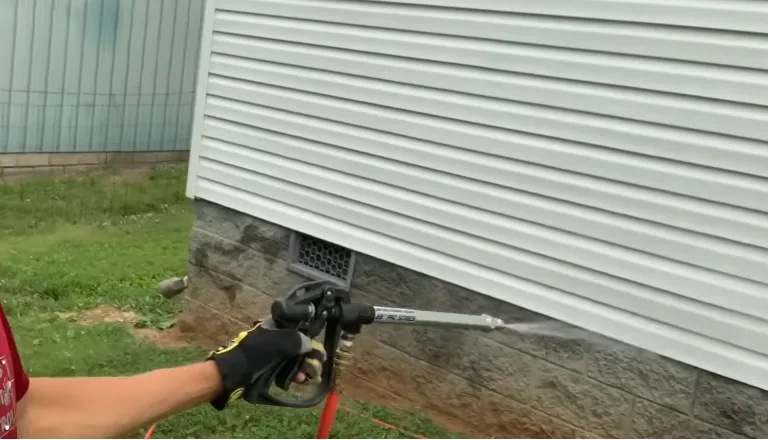
Rodent work splits into three jobs most companies sell as one: getting the animals out, sealing the building so they cannot come back, and cleaning up what they left behind. All of it is available across Volusia and Flagler.
Rodent Exclusion
Every opening over half an inch sealed in metal. The part of the job that actually ends it.
Rat Removal
Roof rats overhead, Norway rats at grade. Trapping and one way doors rather than bait.
Attic Restoration
Contaminated insulation out, space sanitised and deodorised, then re insulated. After verification, never before.
Dead Rodent Removal
Located methodically rather than guessed at, so you pay for one small opening, not exploratory damage.
Soffit & Eave Sealing
The most common Florida entry, invisible from the ground. Closed with metal along the full run.
Tile Roof Proofing
Rats walk in at open eave, hip and ridge ends. Closures fitted along every line.
Free Rodent Inspection
Full roofline and attic survey, every opening photographed, written quote split by phase.
Mouse Control
Smaller gaps, faster breeding, finer exclusion. Getting the species right changes the whole plan.
Attic Cleanup
Droppings, urine and the pheromone trail. HEPA, enzyme and antimicrobial, in full protection.
Solar Panel Proofing
Critter guard clipped to the frame with J hooks. Never drilled, so your warranty stays intact.
Squirrel Removal
Gray and flying squirrels under FWC rules. Relocation across the county is not legal in Florida.
Emergency Removal
Loose animal, odour or anything electrical. We will tell you honestly if it can wait.
Why This Region Is Different
Volusia and Flagler: What Drives Rodent Problems Here
Volusia and Flagler sit far enough north that the seasonal pattern is real. There is a genuine if mild cold break, producing a temperature driven push indoors from roughly late October through February, and inland communities like DeLand and Pierson feel it more sharply than the coast does. That single fact changes when the work should be done: exclusion is planned work taking a couple of days on site plus two to four weeks of trapping and verification, so late summer closes the envelope before the movement starts rather than fighting it at its peak in November.
The second condition is the split between beachside and inland, which is unusually sharp here. On the coast, from Ormond through Daytona, New Smyrna and Flagler Beach, salt laden air attacks the cut edges of galvanised mesh far faster than inland installers expect, and a seal fitted to standard practice can begin failing within a few years while looking sound. Inland, in DeLand, Deltona, DeBary and Orange City, there is no salt consideration at all but there is heavy live oak canopy, historic timber frame, floodplain and manufactured home stock instead.
The third condition is water that displaces in waves rather than gradually. The St. Johns River floodplain, Blue Spring, Lake Woodruff refuge and the marsh systems flood and push whole populations toward dry structures at once. Activity starting within a week or two of heavy rain is a common pattern across west Volusia rather than a coincidence.
Northern Volusia adds something no other region has: Pierson and Seville are fern country, where shade houses provide covered, irrigated, undisturbed permanent harborage with no harvest wave to time around.
Not sure what you are hearing overhead? We will identify it for free.
Before You Hire
What To Ask Any Company Working In This Region
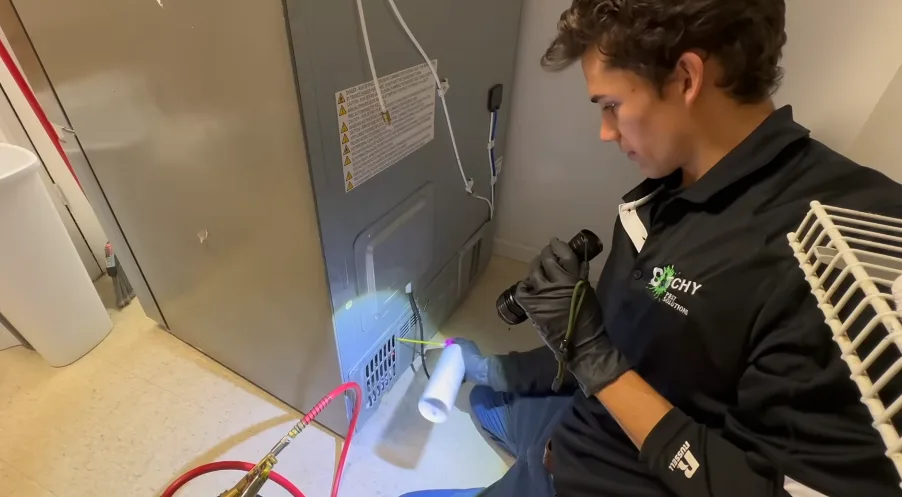
The right questions differ by region, because the conditions do. These are the ones that matter most across Volusia and Flagler.
- When should the work start? Late summer, before the autumn push, not in November when the season is already working against you.
- What mesh, and will the cut edges be sealed? On the beachside this is the most common reason exclusion fails early.
- Is the underside in scope? Inland and rural stock frequently has a crawl space or a manufactured home underside a coastal survey skips.
- Is the historic construction accounted for? Timber frame in DeLand, Lake Helen or Crescent City needs different fixings and more of them than block.
The Season Here
When Volusia and Flagler Rodent Calls Spike
- Late October through February, the cool season push. The highest volume window, and more pronounced inland than on the coast.
- Hurricane season, June through November. Hurricane Ian produced significant flooding across Volusia in 2022 and Nicole came ashore weeks later.
- Wet season flooding. St. Johns floodplain and marsh displace populations in waves rather than gradually.
- Spring breeding. Overwintered populations expand in spring, turning a faint November problem into obvious March noise.
On the 2026 season: NOAA has maintained a below normal outlook, and as of early August the Atlantic season had produced two named tropical storms, Arthur and Bertha, with no hurricanes. Colorado State University’s August outlook called for nine named storms, four hurricanes and one major. That means this year’s pressure is seasonal rather than storm driven, which makes now a sensible window to get a house sealed.
Found droppings, or daylight through a gap in the attic? Get it looked at.
Coverage
Communities We Cover in Volusia and Flagler
We have detailed local pages for 19 communities across Volusia and Flagler counties. Each one covers the housing stock, the seasonal pattern and the entry points specific to that place, because they genuinely differ.
- Rodent Control Bunnell
- Rodent Control Daytona Beach
- Rodent Control De Leon Springs
- Rodent Control DeBary
- Rodent Control DeLand
- Rodent Control Deltona
- Rodent Control Edgewater
- Rodent Control Flagler Beach
- Rodent Control Holly Hill
- Rodent Control Lake Helen
- Rodent Control New Smyrna Beach
- Rodent Control Oak Hill
- Rodent Control Orange City
- Rodent Control Ormond Beach
- Rodent Control Osteen
- Rodent Control Palm Coast
- Rodent Control Pierson
- Rodent Control Port Orange
- Rodent Control Seville
If your ZIP is not listed here, call and we will confirm coverage before anything is scheduled. See the full Florida service area map for all nine regions.
Questions
Frequently Asked Questions
Which areas does this region cover?
Volusia and Flagler covers Volusia and Flagler counties, and we currently have detailed pages for 19 communities across it. If your ZIP is not listed, call and we will confirm coverage before anything is scheduled.
Are the operators you refer licensed?
Yes. Florida regulates pest control under Chapter 482, Florida Statutes, administered by FDACS, and rodent work falls under General Household Pest and Rodent Control. Your assigned operator provides their licence number on your written estimate and you can verify it through the FDACS licensee search at fdacs.gov.
Do you use poison?
Not as a default. A poisoned rat does not go outside to die, it dies inside your wall, which turns a rodent job into an odour job. And rodenticide creates secondary poisoning risk for Florida owls, hawks and other raptors, as well as for pets.
How long does the whole job take?
Sealing is typically one to two days on site depending on the structure and the number of openings. Trapping and verification run alongside and generally take two to four weeks before zero activity is confirmed. Attic restoration, if needed, is scheduled after that.
What size gap can a roof rat get through?
Anything larger than about half an inch, roughly the diameter of a quarter. House mice need considerably less, which is why mouse exclusion is finer detail work.
Does homeowners insurance cover rodent damage?
Generally no. Insurers treat infestation as gradual and preventable rather than sudden and accidental, and most standard Florida policies exclude rodent damage. Secondary damage is the exception: if rodents chew wiring and cause a fire, the fire damage may be covered while removal and the chewed wiring are not.
Read Next
Guides Worth Reading Before You Book
Seasonal timing, what the early signs mean, and how to judge a quote before you commit to anything.
Hearing something in the ceiling? Free inspection, written quote, photographs of everything we find.