

Volusia County | 32720 32724
Rodent Control DeLand, FL
DeLand is inland Volusia County, built around a historic brick downtown and Stetson University, with housing that predates most of Florida and heavy live oak canopy over much of it.
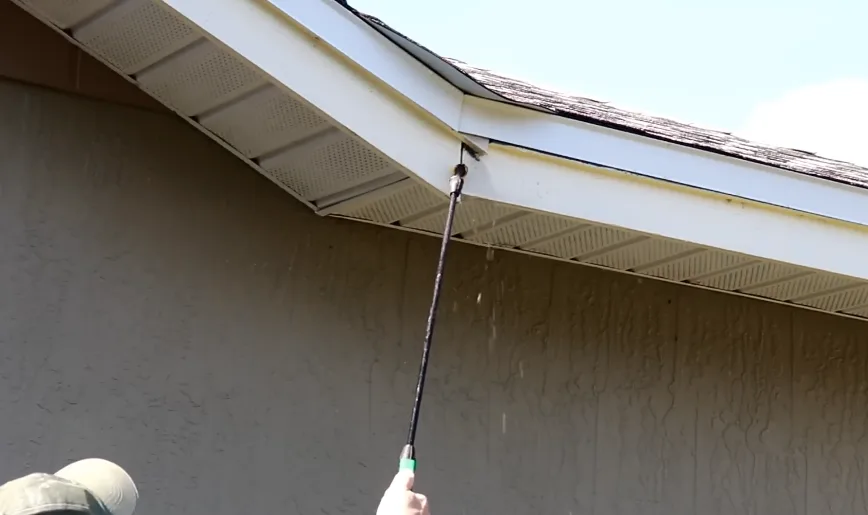
What kind of rodent problem does DeLand have?
Roof rats, with a genuine October to February cool season push. DeLand has one of the best preserved historic downtowns in Florida plus a university campus, so the older stock is timber frame and masonry rather than the block most of the state assumes.
Services in DeLand
What We Do in DeLand
Rodent work splits into three jobs most companies sell as one: getting the animals out, sealing the building so they cannot come back, and cleaning up what they left behind. All of it is available in DeLand.
Rodent Exclusion in DeLand
Every opening over half an inch sealed in metal. The part of the job that actually ends it.
Rat Removal in DeLand
Roof rats overhead, Norway rats at grade. Trapping and one way doors rather than bait.
Attic Restoration in DeLand
Contaminated insulation out, space sanitised and deodorised, then re insulated. After verification, never before.
Dead Rodent Removal in DeLand
Located methodically rather than guessed at, so you pay for one small opening, not exploratory damage.
Soffit & Eave Sealing in DeLand
The most common Florida entry, invisible from the ground. Closed with metal along the full run.
Tile Roof Proofing in DeLand
Rats walk in at open eave, hip and ridge ends. Closures fitted along every line.
Free Rodent Inspection in DeLand
Full roofline and attic survey, every opening photographed, written quote split by phase.
Mouse Control in DeLand
Smaller gaps, faster breeding, finer exclusion. Getting the species right changes the whole plan.
Attic Cleanup in DeLand
Droppings, urine and the pheromone trail. HEPA, enzyme and antimicrobial, in full protection.
Solar Panel Proofing in DeLand
Critter guard clipped to the frame with J hooks. Never drilled, so your warranty stays intact.
Squirrel Removal in DeLand
Gray and flying squirrels under FWC rules. Relocation across the county is not legal in Florida.
Emergency Removal in DeLand
Loose animal, odour or anything electrical. We will tell you honestly if it can wait.
Why DeLand Is Different
Historic Timber Frame Under Heavy Live Oak
DeLand is older than most of Florida and it looks it. The downtown historic district and the streets around Stetson University carry late nineteenth and early twentieth century construction: timber frame and masonry, wood siding, decorative trim, deep porches, complex roof geometry with dormers, and in places raised or crawl space foundations rather than slab.
That stock behaves nothing like the block and stucco construction most Florida rodent advice assumes. Timber frame moves seasonally, boards shrink away from each other at joints, decorative trim creates dozens of small sheltered gaps rather than a few large ones, and fasteners that would hold indefinitely in block will work loose in old softwood. Historic district designation adds limits on what may be visibly altered, so the specification has to be agreed before work starts rather than discovered halfway through.
The second factor is canopy. DeLand sits under heavy mature live oak, and the older residential streets are almost entirely covered. Roof rats travel at height, so continuous canopy means they move house to house along branches without ever touching the ground, and infestations here tend to be street level rather than single property.
Third, being inland, DeLand gets a more pronounced cool season than the coastal Volusia communities. The push indoors from roughly October through February is real and it is the highest volume window of the year, which makes late summer the right time to seal.
Add the St. Johns River and Lake Beresford to the west, giving marsh and floodplain harborage that floods and displaces populations toward dry structures.
Not sure what you are hearing overhead? We will identify it for free.
What you will notice first in a DeLand home
- Running or scratching directly overhead, most often between dusk and about two in the morning, following the same route night after night because rats use established runways.
- Gnawing, slower and harder than running, usually meaning they are working on something structural or on wiring.
- Droppings in the attic, garage, on top of ductwork or along baseboards. Roof rat droppings are black, banana shaped and a quarter to half an inch long.
- Greasy rub marks where they squeeze through the same gap repeatedly, which is often how the entry point gets located.
- A musky ammonia odour that strengthens as the population grows, and a sharper decomposition smell if one has died inside.
- Daylight visible through gaps when you look toward the eaves from inside the attic, which confirms the route without needing a ladder.
- Activity during the day, the one worth acting on quickly. It means the colony has grown large enough that animals forage outside normal hours, and attic contamination is usually already significant.
DeLand Housing Stock
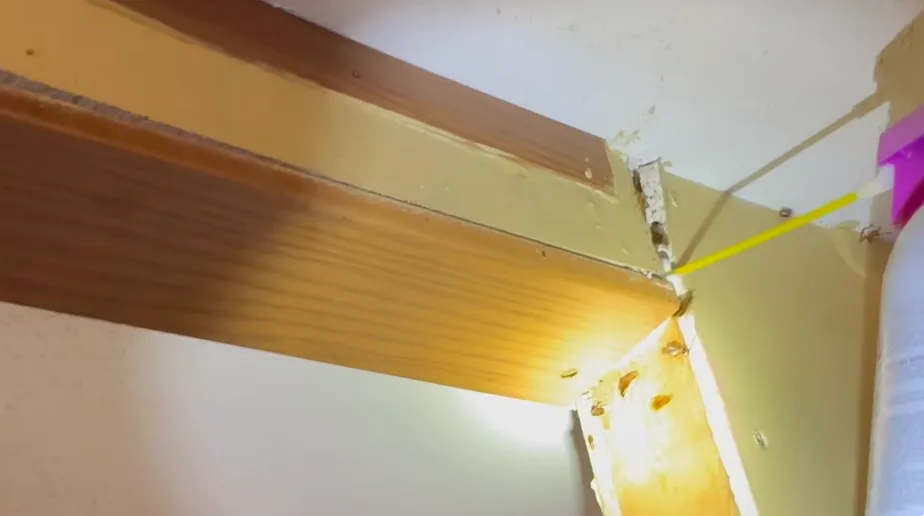
Where Rats Get In Across DeLand
DeLand spans the historic downtown and university district, mid century suburbia and newer development toward the interstate.
- The historic downtown district and Stetson area. Late nineteenth and early twentieth century timber frame and masonry, decorative trim, complex roof geometry and raised foundations. Specialist work with preservation constraints.
- The older residential streets under live oak. Heaviest canopy directly over rooflines, wood fascia and long established colonies.
- Mid century suburban DeLand. 1950s and 1960s stock with original soffit returns and canopy grown into the rooflines since.
- St. Johns River and Lake Beresford side. Marsh and floodplain harborage that floods, plus waterside vegetation corridors.
- Newer development toward I-4 and Orange City. Plan built construction with fewer consistent openings, dominated by unsealed AC line sets.
- Rural west Volusia acreage. Larger wooded lots with outbuildings acting as staging harborage.
Why historic timber frame is different work
Most Florida exclusion fixes metal into block, stucco or modern fascia. Historic DeLand is timber frame with decorative detailing, and the difference is real. The material moves seasonally, joints open, trim creates many small gaps rather than a few large ones, and fixings need to suit old softwood rather than masonry. Preservation rules also constrain what can be visibly changed. A competent quote on a historic district property acknowledges all of that rather than pricing it like a tract house, and it takes longer.
The Season Here
When DeLand Rodent Calls Spike
- October through February, the cool season push. Inland Volusia gets a more pronounced cold break than the coast, and rodents move from canopy, marsh and woodland harborage into structures for warmth. This is the highest volume window and it makes late summer the right time to seal.
- June through November, hurricane season. Before a storm, falling barometric pressure and rising humidity drive rodents to shelter. Afterwards, flooded St. Johns floodplain and marsh burrows push whole populations toward dry structures, and storm damaged canopy drops new bridges onto rooflines. Hurricane Ian caused significant inland flooding across west Volusia in 2022.
- Summer heat and drought. Heat dries outdoor water sources and afternoon flooding disrupts ground nests, both pushing rodents indoors in July. UF/IFAS confirms May through November is prime time for both storm activity and pest pressure in Florida, and that flooding displaces vertebrate pests into structures.
- undefined
On the 2026 season: NOAA has maintained a below normal outlook, and as of early August the Atlantic season had produced two named tropical storms, Arthur and Bertha, with no hurricanes. Colorado State University’s August outlook called for nine named storms, four hurricanes and one major. Good news for Volusia County, and it means this year’s pressure is seasonal rather than storm driven, which makes now a sensible window to get a house sealed.
Found droppings, or daylight through a gap in the attic? Get it looked at.
The Work
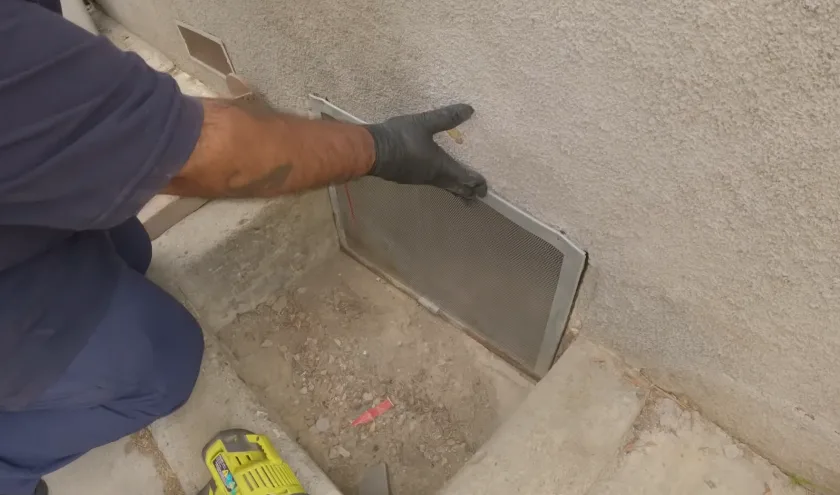
What a DeLand Rodent Job Actually Involves
Rodent work splits into three jobs most companies sell as one. In DeLand the build era of your house decides which of them dominates, and the historic district needs its own specification.
- Inspection. Full exterior roofline and attic survey, every entry point photographed before anything is touched. Typically 45 to 90 minutes.
- Exclusion and trapping together. One way doors let animals leave and not return while traps take the rest. Sealed with galvanised mesh, copper mesh, hardware cloth and metal flashing, never foam or caulk.
- Verification. A return visit confirming zero activity before the last opening is closed.
- Attic restoration where warranted. Contaminated insulation removal, HEPA vacuuming, enzymatic and antimicrobial treatment, deodorising, then re insulation.
The order matters and it is not negotiable. Sealing a house with rats still inside means they chew new openings to get out, or they die in your wall voids. And any operator who sanitises and re insulates a DeLand attic before the animals are confirmed gone is doing the expensive step first and the effective step second. If somebody quotes insulation replacement on the first visit, before a single trap has been set, ask them why.
Poison is not the default here
Two reasons. A poisoned rat dies inside your wall rather than outside, and in historic timber frame with complex wall assemblies and crawl spaces that carcass can be genuinely hard to reach without disturbing historic fabric. And the live oak canopy and St. Johns corridor support substantial owl and raptor populations, so secondary poisoning removes genuine local rodent control.
Cost in DeLand
What Rodent Control Costs in DeLand
These are published national and Florida ranges so you know the shape of pricing before you call anyone. DeLand spreads wide because a historic district property and an I-4 corridor tract home are entirely different jobs.
| Service | Typical range |
|---|---|
| Rodent inspection | $75 to $150, often credited against the job |
| Rat trapping and removal | $150 to $600 |
| Attic rat removal with trapping and exclusion | $400 to $1,200 |
| One way exclusion doors | $200 to $400 each |
| Attic cleanup and sanitising | $300 to $1,000 |
| Insulation removal and replacement | $1,000 to $3,000 |
| Full attic remediation | $1,500 to $5,000 |
Exclusion prices by openings, not by rats. A newer I-4 corridor home with three to five entry points typically runs $500 to $800 in sealing. A historic district property with complex trim, raised foundation and fifteen to twenty five openings can run $1,500 to $3,000, and preservation constrained work sits above that because fixing methods are limited. Published Florida data puts most residential rodent removal jobs between roughly $85 and $900 depending on severity.
Your insurance almost certainly does not cover it
Insurers classify rodent infestation as gradual and preventable rather than sudden and accidental, so rodent damage is excluded under most standard Florida policies, with many excluding infestation, nesting and waste discharge by name. Secondary damage is the exception: if rodents chew wiring and cause a fire, the fire damage may be covered while removal and the chewed wiring are not. Coverage varies by carrier, so read your own policy.
The part that catches homeowners out is the 4 point inspection. Most Florida insurers require one to bind or renew on an older home. It covers roof, electrical, plumbing and HVAC, and the electrical review includes visible wiring in accessible areas, which includes the attic. Rodent chewed attic wiring found in a 4 point can jeopardise a renewal, in a market where Volusia County coverage is already expensive and hard to hold. If you are working to a renewal or closing deadline, say so when you book.
Want a real number for your house? The inspection is free and the quote is in writing.
Nearby
Other Areas We Cover Near DeLand
Neighbouring communities in the same region. Conditions are similar but not identical, and each page covers the housing stock and entry points specific to that place.
See every community in this region, or the full Florida service area map.