

Specialist
Rodent Proofing Solar Panels in Florida
The gap under a rooftop array is warm, sheltered and invisible from the ground. Rodents chew PV wire and nesting debris blocks drainage, and almost nobody in Florida services this properly.
The Gap Nobody Services
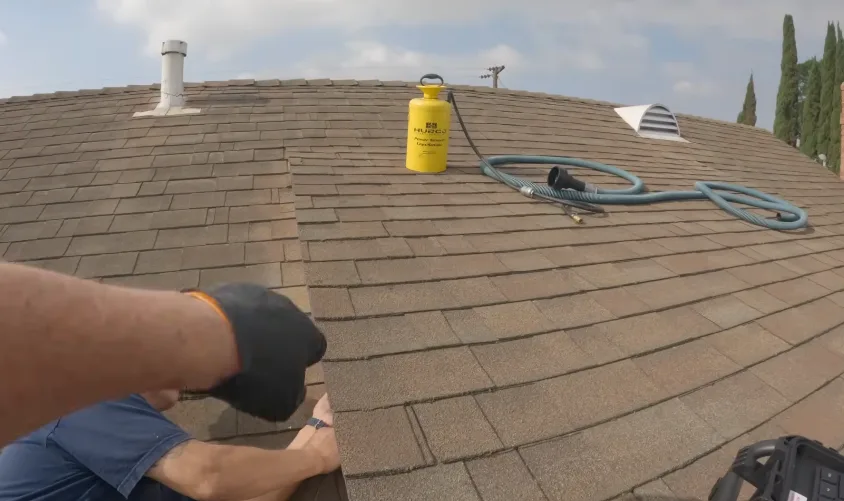
Why Solar Arrays Attract Rodents, and Who Is Meant to Fix It
Florida is one of the largest residential solar markets in the country, and every rooftop array creates a sheltered cavity a few inches deep directly above your roof deck. It is warm, it is dry, it is hidden from every angle at ground level, and it is exactly the harborage a roof rat is looking for.
The reason the problem persists is a gap in responsibility. Most pest control companies do not want to work around a live PV system and do not carry the fixings. Most solar installers and O&M companies do not want to handle the animal side. So the homeowner gets referred in a circle and nothing gets done until something fails.
Most people do not discover it by seeing a rat. They discover it through the system: an unexplained production drop on the monitoring app, inverter fault codes and particularly ground faults, scratching from the roof rather than from inside the attic, droppings on the panel faces or racking, and nesting debris visible at the array perimeter.
What is actually happening is chewing. Rodent incisors grow continuously and they gnaw to keep them filed, and PV wire insulation is ideal material. Chewed insulation causes ground faults, system underperformance and a genuine electrical hazard on your roof. Separately, nesting debris blocks the drainage path under the array so water pools on the deck instead of running off.
Production dropped and nobody can explain it? That is worth checking.
Warranty
The Warranty Trap Cuts Both Ways
- Drilling voids warranties. Attaching a guard by drilling into panel frames or the roof can void your equipment warranty outright. Correct installation uses J hooks or purpose built compression clips that grip the interior lip of the panel frame. No penetrations.
- Pest damage may not be covered. Damage from nesting and chewing can fall outside manufacturer warranty coverage, with claims denied on the basis that the system was not properly protected or maintained.
- Mesh aperture matters. Around half an inch. Small enough to exclude mice and small birds, large enough to preserve airflow under the array and let roof debris drain rather than damming.
- Material matters on the coast. Galvanised or PVC coated UV rated mesh is standard, but on barrier island property cut edges need sealing or salt air attacks them.
- Nests come out first. Installing a guard over an active nest seals animals under your array, which is the worst possible outcome.
Ask any installer these two questions before you agree to anything: how is it fixed, and what happens to whatever is already living under there. If the answer to the first involves drilling, stop.
This is usually two jobs, not one
If there is already activity under the array, the rodent work and the guard installation are sequential rather than simultaneous. Nests and animals come out, the attic is checked because a rat on your roof is frequently also a rat in your attic, and only then does the guard go on. Booking a guard installation alone when you already have activity gets you a sealed problem.
The Process
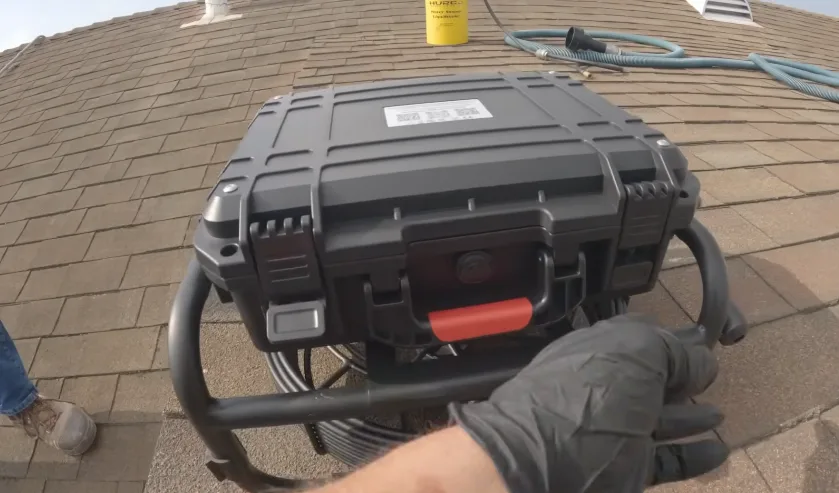
How Critter Guard Is Fitted Properly
- Roof and array inspection. Under every panel checked for nests, chewed wiring and debris, photographed.
- Removal of existing nests and material. Before anything is closed.
- Attic check. Because roof activity and attic activity usually travel together.
- Mesh cut to the panel to roof gap. Sized to the array rather than a standard roll.
- Clipped to the panel frame with J hooks. No drilling, no penetrations, no warranty exposure.
- Annual re inspection. Storm debris and roof movement open gaps over time.
Most residential arrays are a two to three hour job once any existing activity has been dealt with. Repair of chewed PV wiring is electrical work and is quoted separately by a qualified installer.
Get the array and the attic checked together.
Cost
What Solar Rodent Proofing Costs
Critter guard prices by the linear perimeter of the array rather than by system size, so a spread out array on a complex roof costs more than a compact one of the same wattage.
| Item | Typical range |
|---|---|
| Roof and array inspection | $75 to $150 |
| Nest and debris removal | Quoted on extent |
| Critter guard, typical residential array | Priced by array perimeter |
| Annual re inspection | Lower, usually on a maintenance schedule |
| PV wiring repair | Separate, by a qualified installer |
Weigh it against the alternative. A ground fault from chewed wiring means lost production until it is diagnosed and repaired, plus a possible warranty argument about whether the system was properly maintained. Proofing is the cheaper side of that comparison by a wide margin.
Questions
Frequently Asked Questions
Why are there rats under my solar panels?
The gap between panel and roof is warm, sheltered and invisible from the ground, which makes it ideal harborage. It is also directly above your roof deck, so activity there frequently means activity in the attic too.
Will installing critter guard void my solar warranty?
Not if it is installed correctly. Drilling into panel frames or the roof to attach a guard can void your equipment warranty. Correct installation uses J hooks or compression clips gripping the interior lip of the panel frame, with no penetrations. Note the other side too: pest damage itself can fall outside warranty coverage.
What mesh size is used?
Around half an inch. Small enough to exclude mice and small birds, large enough to preserve airflow under the array and let roof debris drain rather than pooling water on the roof deck.
My production dropped but I cannot see anything wrong. Could this be it?
It is a common cause and rarely the first thing anyone checks. Chewed PV wire insulation causes ground faults and underperformance, and the usual symptoms are unexplained production drops, inverter fault codes, scratching from the roof and droppings on the panels.
Can you just fit the guard without doing anything else?
Not if there is already activity. Installing a guard over an active nest seals animals under your array. Nests come out first, the attic gets checked, and only then does the guard go on.
Are the operators you refer licensed?
Yes. Florida regulates pest control under Chapter 482, Florida Statutes, administered by FDACS, and rodent work falls under General Household Pest and Rodent Control. Your assigned operator provides their licence number on your written estimate and you can verify it through the FDACS licensee search at fdacs.gov before work begins.
Do you use poison?
Not as a default. A poisoned rat does not go outside to die, it dies inside your wall, which turns a rodent job into an odour job. And rodenticide creates secondary poisoning risk for Florida owls, hawks and other raptors, as well as for pets. The approach is mechanical: trapping plus permanent exclusion.
Related services: Rodent Exclusion, Soffit and Eave Sealing, Rodent Inspection.
Coverage
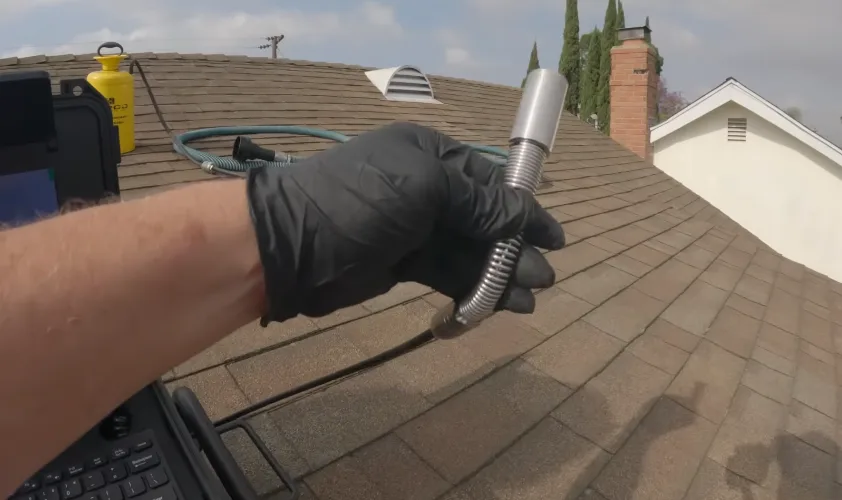
Solar Panel Rodent Proofing Across Nine Florida Regions
Solar Panel Rodent Proofing is available through the FDACS-licensed operators we refer across 178 Florida communities. The conditions differ by region, so pick yours below and the page will tell you what actually drives rodent problems there and every community we cover inside it.
Not sure which region you are in? Call with your ZIP and we will confirm coverage before anything is scheduled, or see the full Florida service area map.
Read Next
Guides Worth Reading Before You Book
Background reading that will help you judge a quote, understand what the work involves, and know what to expect before anyone comes out.
Solar on the roof and noises above the ceiling? Book a combined inspection.