

Removal
Rat Removal in Florida: Roof Rats, Norway Rats and the Difference
Florida has two structural rat species and they need two different jobs. Getting the identification wrong means careful work in the wrong place, which is the most common reason a rat problem survives a paid visit.
Identification First
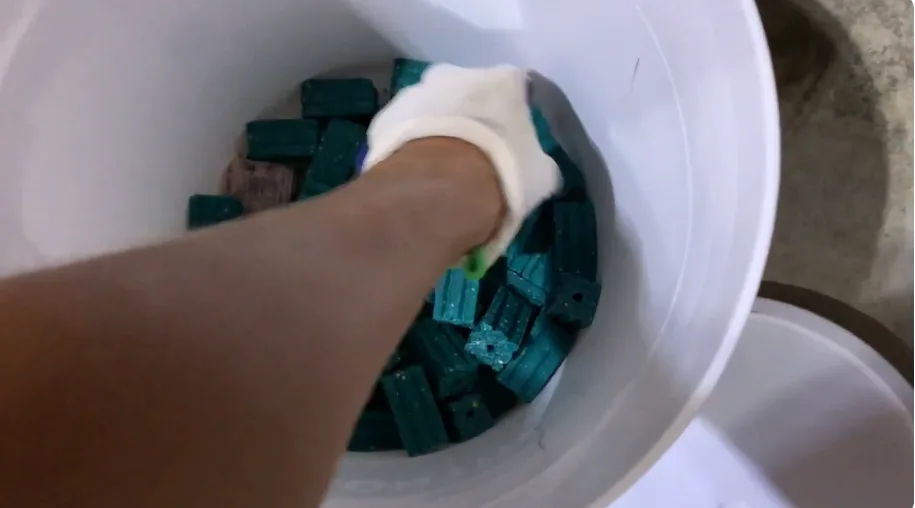
Which Rat Do You Actually Have?
The University of Florida IFAS Extension identifies the roof rat as the worst rodent pest in the state, more abundant, more destructive and harder to eliminate than the Norway rat, which is comparatively uncommon in Florida homes. But comparatively uncommon is not absent, and in commercial and downtown settings the Norway rat is frequently the animal you have.
Roof rat. Also called palm rat, fruit rat, citrus rat or black rat, all names for Rattus rattus. Body 6 to 8 inches with a hairless tail longer than the body, total length 12 to 14 inches, 5 to 12 ounces, sleek dark brown to black, large ears, pointed nose. Droppings are black and banana shaped, a quarter to half an inch. It nests above ground: attics, soffit voids, wall cavities, palm fronds and hollow trees, and it climbs extremely well.
Norway rat. Also called brown rat, sewer rat or street rat. Larger, heavier and stockier, with a tail shorter than the body. It is a ground dweller that burrows in soil and lives around storm drains, sewers and ground level commercial structures.
The practical consequence is that roof rat work happens twelve to twenty five feet in the air along the roofline, and Norway rat work happens at grade around the foundation, weep holes, utility trenches and dumpster pads. A company that seals your roofline while Norway rats enter at the stem wall has done careful work in the wrong place.
One more thing worth knowing. If you are hearing activity during the day, the population has grown large enough that animals are foraging outside their normal hours. Daytime noise is not a different kind of rat, it is a bigger colony, and it usually means attic contamination is already significant.
Not sure what you are hearing? Identification is part of the free inspection.
Signs
What You Will Notice Before You See Anything
- Scratching, scurrying or running directly overhead, most often between dusk and about two in the morning
- Repeated movement along the same route night after night, because rats follow established runways
- Gnawing, which is a slower and harder sound than running
- Droppings in the attic, garage, along baseboards or on top of ductwork
- Greasy rub marks where they squeeze through the same gap repeatedly
- A musky ammonia odour that strengthens as the population grows
- Shredded insulation, paper or fabric formed into nesting beds
- Fruit hollowed out while still hanging on the branch, which is the outdoor sign that a colony is close
A single roof rat sighting is almost never a single roof rat. They are social and they nest communally, so if you saw one, plan for a colony.
Why poison is not the default
Two reasons. A poisoned rat does not go outside to die, it dies inside your building envelope, which is how a rat problem becomes a dead rodent odour problem in Florida heat within days. And rodenticide creates secondary poisoning risk for Florida owls, hawks and other raptors, birds that are genuinely effective rodent control, as well as for dogs and cats. Mechanical trapping plus permanent exclusion is what removal without poison actually looks like when somebody means it.
The Process
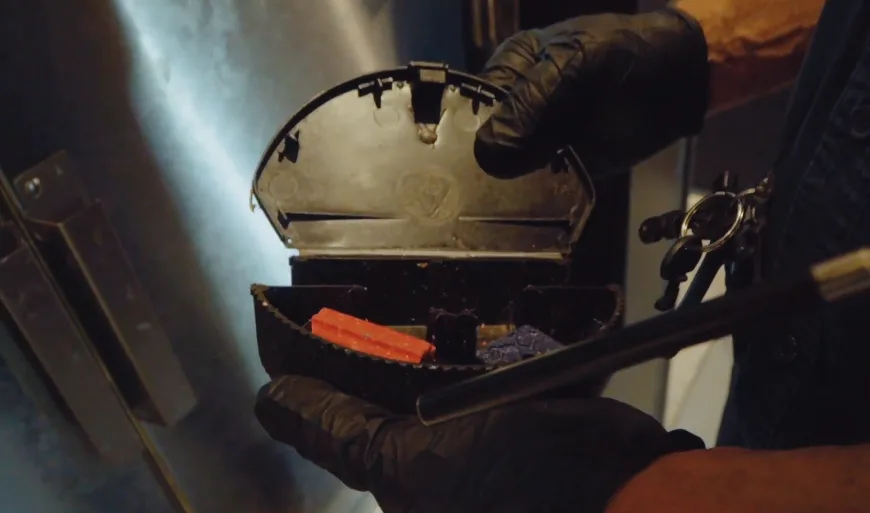
How Rat Removal Is Done
- Identification and inspection. Species confirmed, full roofline and attic or ground level survey, every entry point photographed.
- Trapping and one way doors together. Sized and placed for the species, on the established runways rather than randomly.
- Daily or scheduled checks. Traps are monitored and reset, not left to sit.
- Verification. Zero activity confirmed across a defined period before the last opening is sealed.
- Exclusion. Every opening closed permanently, because removal without sealing is a temporary result.
Trapping and verification generally take two to four weeks. Anyone promising same day resolution on an established colony is describing a bait drop, not a removal.
Get the species identified before anyone sets a trap.
Cost
What Rat Removal Costs in Florida
These are published national and Florida ranges so you know the shape of pricing before you call anyone.
| Item | Typical range |
|---|---|
| Rodent inspection | $75 to $150, often credited against the job |
| Rat trapping and removal | $150 to $600 |
| Attic rat removal with trapping and exclusion | $400 to $1,200 |
| Full rodent eviction programme | $600 to $1,400 |
| Commercial Norway rat programme | Usually quoted as a monitored programme |
Removal alone is the cheaper number and the shorter lived result. Removal plus exclusion costs more up front and is the one that stops the recurring charge. Published Florida data puts most residential rodent removal jobs between roughly $85 and $900 depending on severity.
Questions
Frequently Asked Questions
Are palm rats and roof rats the same thing?
Yes. Roof rat, palm rat, fruit rat, citrus rat and black rat are five common names for one species, Rattus rattus. They are called palm rats in Florida because they nest in the dead frond skirt on palm trunks, known as the palm boot.
How do I tell a roof rat from a Norway rat?
The tail. A roof rat has a hairless tail longer than its body and is sleek and dark. A Norway rat is heavier and stockier with a tail shorter than its body. Roof rats nest above ground, Norway rats burrow at ground level.
Why am I hearing them during the day?
The population has grown large enough that some animals are foraging outside their normal nocturnal hours. It usually indicates a larger colony and more attic contamination than a strictly nighttime pattern.
Can one rat mean an infestation?
Usually yes. Roof rats are social and nest communally, so a single sighting rarely means a single animal.
How long does removal take?
Trapping and verification generally take two to four weeks before zero activity is confirmed. Sealing runs alongside it and is typically one to two days on site.
Are the operators you refer licensed?
Yes. Florida regulates pest control under Chapter 482, Florida Statutes, administered by FDACS, and rodent work falls under General Household Pest and Rodent Control. Your assigned operator provides their licence number on your written estimate and you can verify it through the FDACS licensee search at fdacs.gov before work begins.
Do you use poison?
Not as a default. A poisoned rat does not go outside to die, it dies inside your wall, which turns a rodent job into an odour job. And rodenticide creates secondary poisoning risk for Florida owls, hawks and other raptors, as well as for pets. The approach is mechanical: trapping plus permanent exclusion.
Related services: Rodent Exclusion, Mouse Control, Dead Rodent Removal, Attic Restoration.
Coverage
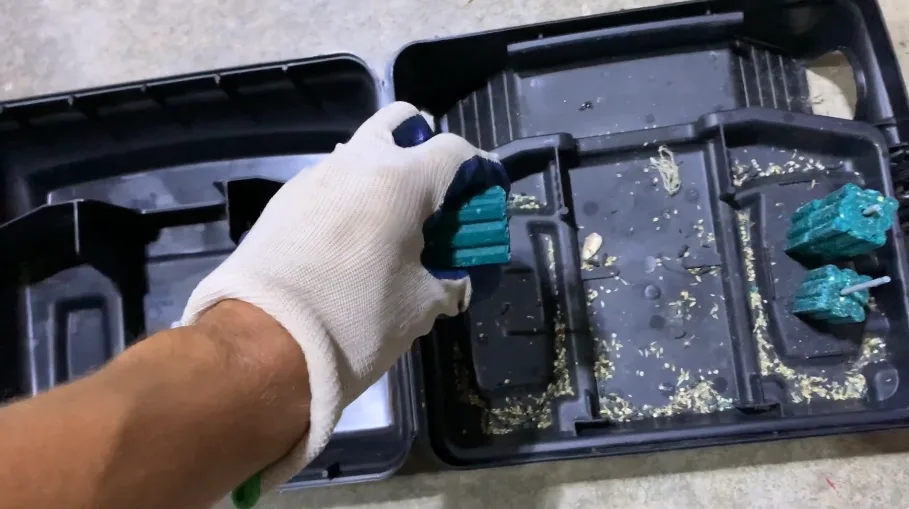
Rat Removal Across Nine Florida Regions
Rat Removal is available through the FDACS-licensed operators we refer across 178 Florida communities. The conditions differ by region, so pick yours below and the page will tell you what actually drives rodent problems there and every community we cover inside it.
Not sure which region you are in? Call with your ZIP and we will confirm coverage before anything is scheduled, or see the full Florida service area map.
Read Next
Guides Worth Reading Before You Book
Background reading that will help you judge a quote, understand what the work involves, and know what to expect before anyone comes out.
Hearing something overhead? Get it identified today.