

Snowbird & Vacation Property
Seasonal and Vacation Home Rodent Inspection
A Florida house closed from May to November gives a colony six or seven undisturbed months with nobody in it at night to hear anything. The first sign most owners get is the smell when they open the door.
The Detection Gap
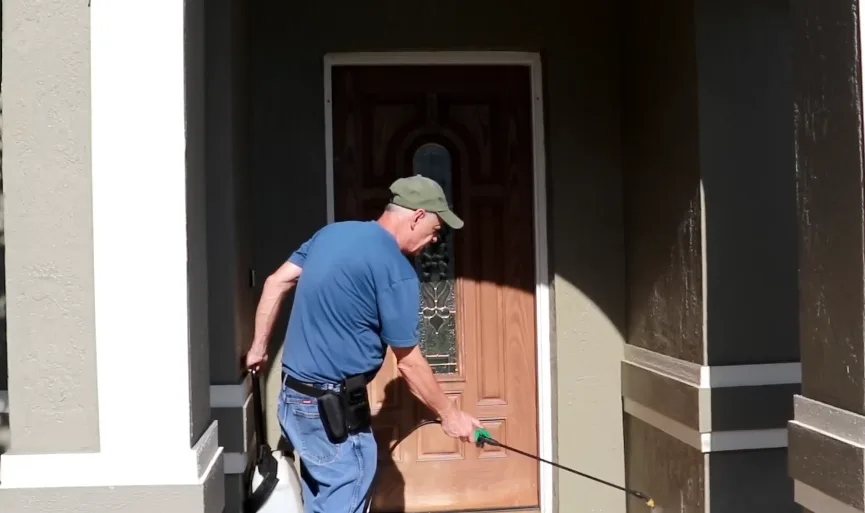
Six Months With Nobody Listening
In an occupied house, a rodent problem is usually noticed within days. Somebody lies in bed, hears running overhead at eleven at night, and calls somebody. The gap between entry and detection is short, which is why most occupied home jobs are trapping jobs.
A seasonal property has no such feedback. A colony that gets in during May has until November before anyone is in the building at night. That is enough time to breed through multiple litters, establish runways, saturate insulation with urine and chew wiring. What would have been a $400 trapping job in an occupied house becomes a $2,000 to $5,000 attic restoration.
It is a genuinely expensive difference and it is entirely a function of timing rather than severity. The same rats in the same attic cost five times more because nobody was there to hear them.
This affects a large share of Florida property. The Villages, Naples, Vero Beach, Palm Beach County, Marco Island, Sanibel, Amelia Island and the Kissimmee vacation rental corridor all carry substantial inventory that stands empty for months.
The fix is simply timing. Inspect while the house is still closed, before you travel down, rather than after you arrive.
Coming back this season? Get the house checked before you land.
How It Works Remotely
You Do Not Need to Be There
- Access arranged with whoever holds a key. Property manager, neighbour, HOA or a lockbox. Most seasonal owners already have this in place.
- Full exterior roofline and attic survey. The same inspection an occupied house gets.
- Photographs of everything found. Which is the point. Images of the eave line are the only way to verify from another state that somebody actually got on a ladder.
- Written report and quote by email. Itemised by phase so you can decide from wherever you are.
- Work completed before you arrive where you approve it. Which is the whole advantage of inspecting early.
- Repeat scheduling. Many owners put this on the same annual rhythm as HVAC servicing.
If you own a vacation rental rather than a second home, the same logic applies with an added commercial edge: the problem usually surfaces as a guest complaint or a public review rather than as something you noticed, and by then the booking is already affected.
What to do before you close the house up
Bring pet food and birdseed inside or remove it entirely. Clear fallen fruit. Trim palm frond skirts and cut branches back at least six feet from the roofline. Check that the garage door bottom seal is intact at the corners. And if you have been meaning to have the roofline sealed, do it before you leave rather than planning it for your return, because the closed months are exactly when the envelope is tested hardest.
The Process
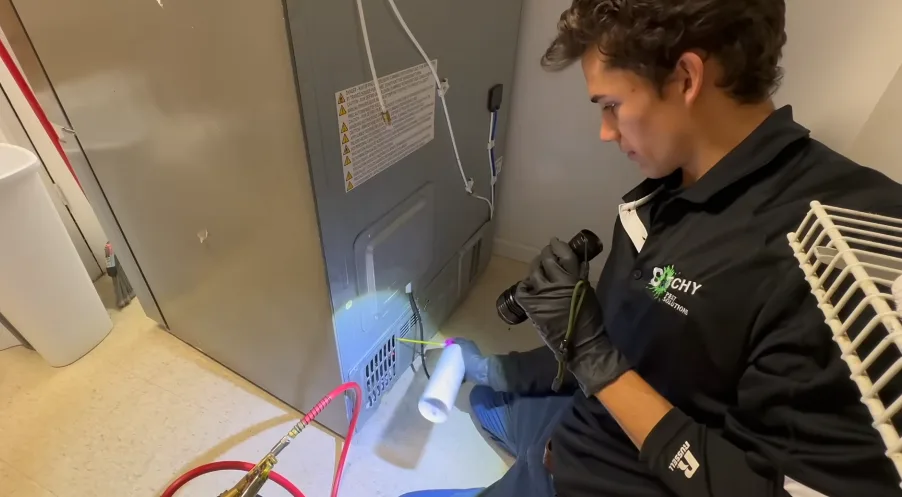
How the Inspection Runs
- Booking, usually four to eight weeks before you travel. Which leaves time to complete any work found.
- Access arranged. With your manager, neighbour or lockbox.
- Exterior roofline survey from a ladder. Full perimeter, photographed.
- Attic survey. Droppings, distribution, nesting material, urine staining, chewed wiring and daylight through gaps.
- Report and quote emailed. Itemised by phase, with the photo file.
- Work scheduled to complete before your arrival where you approve it.
Inspection is free and there is no obligation. You keep the photo file whether or not you proceed, which is also useful if you want a comparison quote.
Book it now and arrive to a house you can use.
Cost
What It Costs, and What It Saves
The inspection is free through the operators we refer. The number that matters is the difference between catching it early and finding it in November.
| Item | Typical range |
|---|---|
| Seasonal property inspection | Free, no obligation |
| Caught early, trapping and exclusion | $400 to $1,200 |
| Found on arrival, attic cleanup added | $300 to $1,000 additional |
| Insulation removal and replacement | $1,000 to $3,000 |
| Full attic remediation after six months | $1,500 to $5,000 |
That is the entire argument. The same infestation costs a few hundred dollars in September and several thousand in November, and the only variable is who was there to hear it.
Questions
Frequently Asked Questions
I am not in Florida. Can this still happen?
Yes, and that is the point. Access is arranged with your property manager, a neighbour, the HOA or a lockbox, the inspection is documented with photographs, and the report and quote come by email. Many owners have the work completed before they arrive.
When should I book it?
Roughly four to eight weeks before you travel down, which leaves time to complete any work found before you arrive. Booking after you land means losing the first weeks of your season to it.
What should I do before closing the house for the summer?
Remove pet food and birdseed, clear fallen fruit, trim palm frond skirts, cut branches back at least six feet from the roofline, and check the garage door bottom seal at the corners. If the roofline needs sealing, do it before you leave rather than planning it for your return.
I own a vacation rental rather than a second home. Same thing?
Same mechanism with a commercial edge. Nobody is in the property at night, turnover cleaning is scoped for laundry and surfaces rather than attic inspection, and the problem usually surfaces as a guest complaint or a review. Scheduled inspection between bookings is far cheaper than one cancelled stay.
Why is it so much more expensive if I wait?
Because time converts a trapping job into a restoration. Six or seven months is enough for multiple litters, established runways, urine saturated insulation and chewed wiring. The rats are the same. The invoice is five times larger.
Are the operators you refer licensed?
Yes. Florida regulates pest control under Chapter 482, Florida Statutes, administered by FDACS, and rodent work falls under General Household Pest and Rodent Control. Wildlife species are additionally regulated by the Florida Fish and Wildlife Conservation Commission. Your assigned operator provides their licence number on your written estimate and you can verify it through the FDACS licensee search at fdacs.gov.
Do you use poison?
Not as a default. A poisoned animal does not go outside to die, it dies inside your wall, which turns one job into an odour job. And rodenticide creates secondary poisoning risk for Florida owls, hawks and other raptors, as well as for pets.
Related services: Rodent Inspection, Rodent Exclusion, Attic Restoration, Dead Rodent Removal.
Coverage
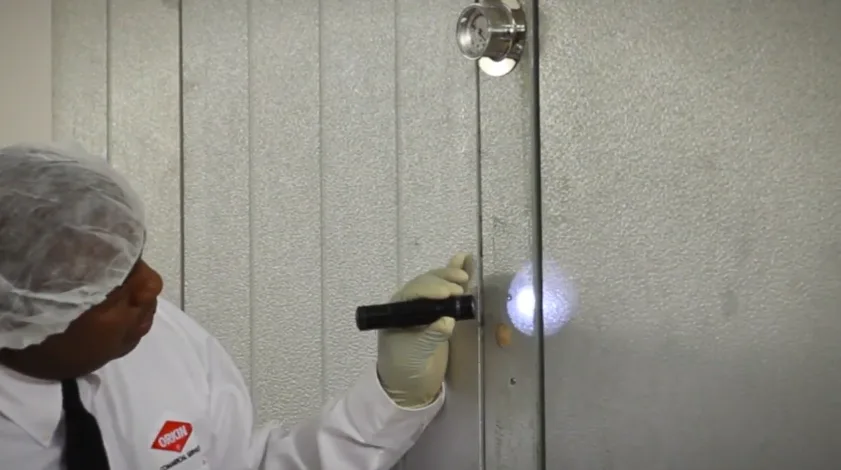
Seasonal Home Rodent Inspection Across Nine Florida Regions
Seasonal Home Rodent Inspection is available through the FDACS-licensed operators we refer across 178 Florida communities. The conditions differ by region, so pick yours below and the page will tell you what actually drives rodent problems there and every community we cover inside it.
Not sure which region you are in? Call with your ZIP and we will confirm coverage before anything is scheduled, or see the full Florida service area map.
Read Next
Guides Worth Reading Before You Book
Background reading that will help you judge a quote, understand what the work involves, and know what to expect before anyone comes out.
Book your pre arrival inspection now.