

Urgent
Dead Rodent Removal and Odour in Florida
You are not shopping. You have people coming over, the house smells, and you cannot find it. This is the call nobody plans for and the one most companies write the least about.
The Smell
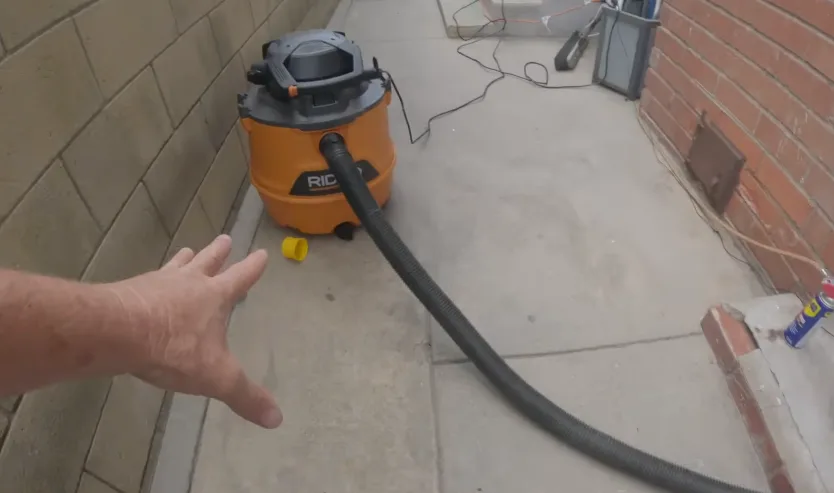
How Long It Lasts and Why You Cannot Find It
In Florida heat and humidity, decomposition is faster and more intense than in a cooler climate, and an unconditioned attic in July compounds it. Depending on the size of the animal, where it died and how much airflow reaches it, odour typically peaks in the first week to ten days and then declines over several weeks. A rat in a hot attic is a shorter, sharper curve. A rat in a cool interior wall void is a longer, lower one.
The reason you cannot locate it is that the smell almost never originates where you smell it. Odour travels through wall voids, soffit returns and the paths air already moves through in your house, and air conditioning return airflow drags it further still. The strongest point in a hallway can be twenty feet from the animal, and on a two storey house it can be on a different floor.
That is why locating is a methodical process rather than a guess, working the odour gradient and the building assembly rather than cutting exploratory holes and hoping.
Smell in the house right now? Odour calls get priority.
The Cause
If Someone Baited Your Attic, This Was Predictable
- A poisoned rodent does not go outside to die. It dies inside your building envelope, usually in a wall void or under insulation.
- Rodenticide creates secondary poisoning risk for Florida owls, hawks and other raptors, birds that are genuinely effective rodent control, and for dogs and cats.
- The carcass is only half the problem. The contaminated material around it keeps producing odour after the animal is removed, so both have to come out.
- A dead rodent in your wall also means live rodents had a route in. Removing the carcass without finding the entry point leaves you waiting for the next one.
This is the single strongest practical argument for mechanical trapping and permanent exclusion over baiting, and it is why poison is not the default approach here.
What we do about the smell itself
Removing the carcass and the contaminated material around it is most of the fix. After that, enzymatic treatment breaks down the residue that ordinary cleaning leaves behind, followed by deodorising. Ozone and similar treatments have a role but they do not substitute for physical removal, and any company offering to treat the odour without locating the source is selling you a delay.
The Process
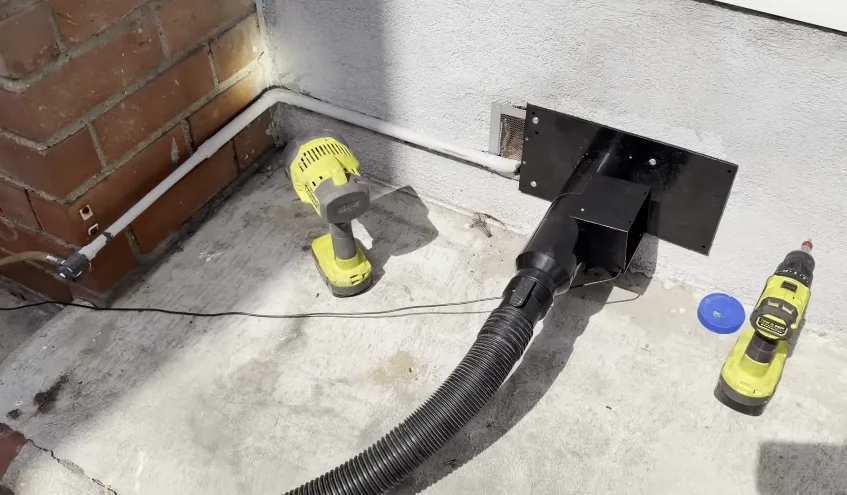
How a Dead Rodent Call Is Handled
- Odour gradient survey. Working the building assembly and airflow to narrow the position, not guessing.
- Attic and accessible voids first. Most of the time it is reachable without cutting anything.
- Targeted access only when confirmed. One small opening in a known position rather than exploratory drywall damage you then pay to repair.
- Removal of carcass and contaminated material. Both, because the material keeps producing odour on its own.
- Enzymatic treatment and deodorising.
- Entry point inspection. Because a dead rodent inside means live ones had a route in.
Most dead rodent calls are resolved in a single visit. The follow up inspection is what stops it happening again.
Get it located properly instead of cutting holes and hoping.
Cost
What Dead Rodent Removal Costs
These are published national and Florida ranges. Location and accessibility drive the number more than anything else.
| Item | Typical range |
|---|---|
| Locating and removal, accessible attic | $150 to $400 |
| Wall void access required | Higher, plus drywall repair |
| Deodorising and enzymatic treatment | $150 to $600 |
| Follow up entry point inspection | Included with the visit |
| Drywall repair after access | $300 to $1,500 depending on extent |
The reason locating properly matters financially as well as practically is that exploratory access multiplies the repair cost. One small opening in a confirmed position is a patch. Four openings in guessed positions is a redecorating job.
Questions
Frequently Asked Questions
How long does a dead rat smell last?
It depends on size, location and airflow, and Florida heat and humidity make decomposition faster and more intense than in cooler climates. Typically the odour peaks in the first week to ten days then declines over several weeks. An animal in a hot attic follows a shorter, sharper curve than one in a cool interior wall void.
Why can I not find where the smell is coming from?
Odour moves through wall voids, soffit returns and the paths air already travels in your house, and air conditioning carries it further. The strongest smell in a room can be twenty feet or more from the animal, and on a two storey house it can be on a different floor.
Do I have to cut open the wall?
Often not. Most of the time the animal is in the attic or an accessible void and can be reached without cutting. When access is genuinely required, the position is confirmed first so you pay for one small opening rather than exploratory demolition.
Does the smell mean there are more?
Usually yes, or that there were. A dead rodent inside your building envelope means live rodents had a route in, so the entry point inspection matters as much as the removal.
Will an ozone treatment fix it without removing the animal?
No. Treatments have a role after removal but they do not substitute for taking out the carcass and the contaminated material around it. Anyone offering to treat the odour without locating the source is selling you a delay.
Are the operators you refer licensed?
Yes. Florida regulates pest control under Chapter 482, Florida Statutes, administered by FDACS, and rodent work falls under General Household Pest and Rodent Control. Your assigned operator provides their licence number on your written estimate and you can verify it through the FDACS licensee search at fdacs.gov before work begins.
Do you use poison?
Not as a default. A poisoned rat does not go outside to die, it dies inside your wall, which turns a rodent job into an odour job. And rodenticide creates secondary poisoning risk for Florida owls, hawks and other raptors, as well as for pets. The approach is mechanical: trapping plus permanent exclusion.
Related services: Rat Removal, Rodent Exclusion, Attic Cleanup and Sanitising.
Coverage
Dead Rodent Removal Across Nine Florida Regions
Dead Rodent Removal is available through the FDACS-licensed operators we refer across 178 Florida communities. The conditions differ by region, so pick yours below and the page will tell you what actually drives rodent problems there and every community we cover inside it.
Not sure which region you are in? Call with your ZIP and we will confirm coverage before anything is scheduled, or see the full Florida service area map.
Read Next
Guides Worth Reading Before You Book
Background reading that will help you judge a quote, understand what the work involves, and know what to expect before anyone comes out.
House smells and guests arriving? Call now.