

Identification
7 Signs You Have Rats in Your Attic (Florida Specific)
Most Florida homeowners hear something before they see anything. Here is what each sound and sign actually means, and which ones say act this week rather than this month.

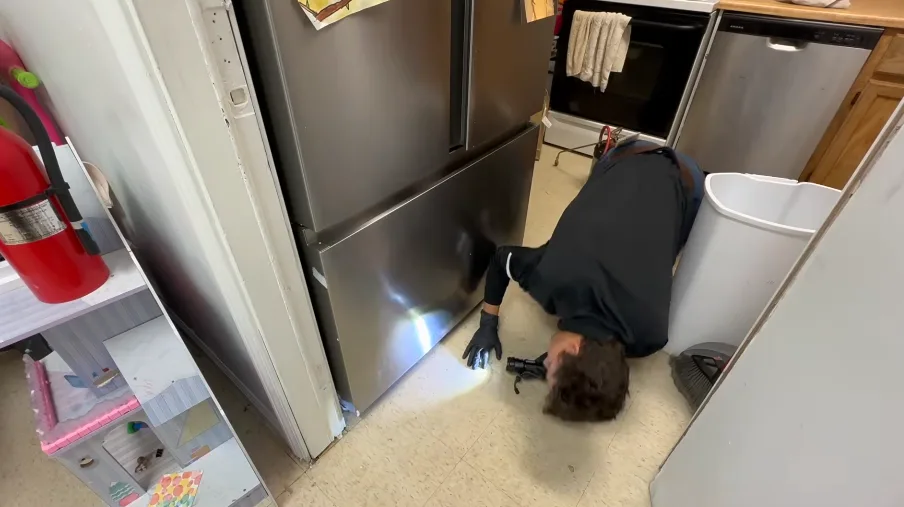
What are the signs of rats in a Florida attic?
Running or scratching overhead between dusk and about two in the morning following the same route nightly, black banana shaped droppings a quarter to half an inch long, greasy rub marks where they squeeze through a gap, a musky ammonia odour that strengthens over weeks, daylight visible through gaps at the eave from inside the attic, chewed wiring or insulation flattened into nesting beds, and daytime activity. That last one means the colony is large enough that animals forage outside normal hours.
Sound
1. Running or Scratching Overhead, Dusk to About 2am
This is the one almost everybody notices first. Roof rats are nocturnal and they use established runways, so what you hear is light, fast and repetitive along the same route night after night. The window is roughly dusk to two in the morning, with a second smaller burst before dawn.
Weight and rhythm are the useful diagnostics. A roof rat is light and quick. A squirrel is heavier and active in daylight. A raccoon is unmistakably heavy, slow and deliberate, and you often hear individual footfalls rather than scurrying. If you are hearing something that sounds like a voice rather than movement, that is not a rodent at all.
Droppings
2. Black, Banana Shaped Droppings a Quarter to Half an Inch Long
Roof rat droppings are dark, curved and pointed at the ends, and you will find them concentrated along runways rather than scattered evenly. Common places are the attic on top of ductwork, along baseboards, in the garage, and behind stored items.
Do not vacuum or sweep them. Disturbing dried droppings puts contaminated dust into the air. They will still be there tomorrow when somebody with proper respiratory protection can deal with them safely.
Rub Marks
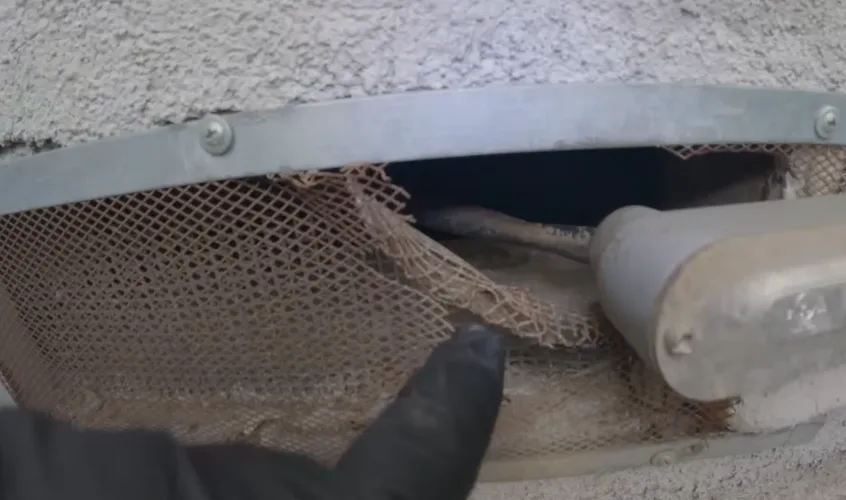
3. Greasy Rub Marks Where They Squeeze Through
Rodents have oily fur and they use the same opening repeatedly, so a gap in regular use develops a dark smudge around it. This is frequently how an entry point actually gets located, because the mark tells you the opening is active rather than historic.
Smell
4. A Musky Ammonia Odour That Builds Over Weeks
Urine accumulates and the smell strengthens as the population grows. A sharper decomposition smell means something has died inside, which is a different and more urgent problem, and it is the most common reason people call in the first week rather than the third month.
Daylight
5. Daylight Visible Through Gaps at the Eave
This is the single most useful check you can do yourself and it costs nothing. Go into the attic during daylight with the lights off, let your eyes adjust for a minute, and look toward the eaves. Any daylight you can see is an opening large enough to matter. Roof rats need only about half an inch, roughly the diameter of a quarter.
Damage
6. Chewed Wiring, Flattened Insulation and Nesting Material
Rodent incisors grow continuously and they gnaw constantly to keep them filed, which is why wiring, PVC and PEX plumbing lines, low voltage cabling and flex duct all get chewed regardless of whether they are food. Insulation gets flattened into nesting beds and shredded material collects in corners.
Chewed wiring is the one that matters beyond the immediate repair. Damaged insulation exposes conductors, which is a genuine fire risk, and it is also what can surface during a Florida 4 point inspection and complicate an insurance renewal.
Timing
7. Activity During Daylight Hours
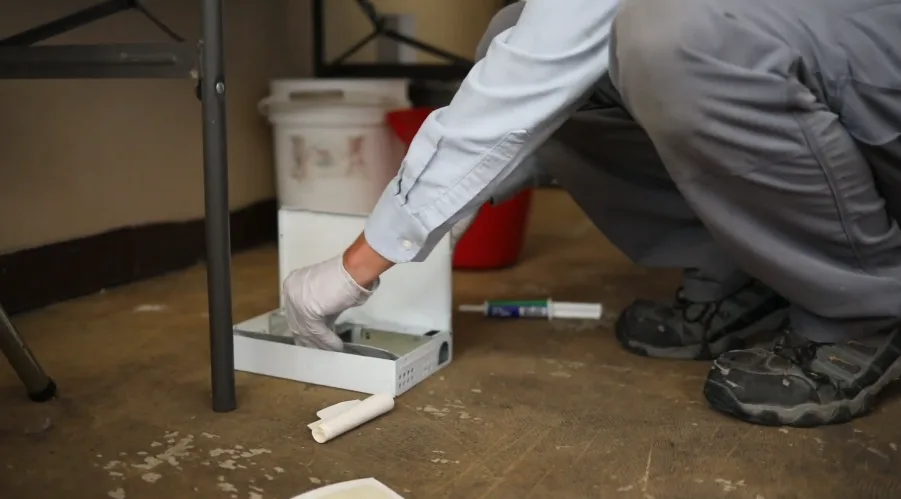
If you are hearing or seeing rodents during the day, act on it. Daytime activity generally means the colony has grown large enough that animals are foraging outside normal hours, which usually correlates with significant attic contamination already in place.
What Next
What To Do Once You Have Confirmed It
- Do not put down poison. A poisoned rat dies inside your wall rather than outside, which turns a rodent job into an odour and decontamination job.
- Do not seal anything yet. Sealing a house with rats still inside means they chew new openings to get out, or they die in the wall voids.
- Do not vacuum droppings. Wait for somebody with proper protection and HEPA filtration.
- Get the roofline surveyed from a ladder. Most Florida entries are at the soffit, the tile ends or a mechanical penetration, and none of them are visible from the ground.
- Ask for the entry point count and photographs. That is what tells you whether a quote is thorough or a guess.
Not sure what you are hearing? We will identify it for free.
Questions
Frequently Asked Questions
How quickly should I act on scratching in the attic?
It is not an emergency in the sense that anything worsens dramatically between Tuesday and Friday, but rodents breed continuously in Florida and attic contamination accumulates, so the difference between calling in week one and month three is frequently the difference between a trapping job and a full attic restoration.
Is it rats or squirrels?
Gray squirrels are active in daylight and sound heavier. Roof rats are nocturnal, lighter and faster, running the same route repeatedly between dusk and around two in the morning. Southern flying squirrels are nocturnal so people assume rats, and colonial so there are more than you think.
What size gap can a roof rat get through?
Anything larger than about half an inch, roughly the diameter of a quarter. House mice need considerably less, which is why mouse exclusion is finer detail work.
Can I just set traps myself?
Trapping will reduce what is currently inside, and it will not stop replacements arriving if the opening is still there. Trapping without exclusion is why people describe rodent problems that come back every year.
Do I need my insulation replaced?
Not always. Light droppings across a limited area of intact insulation can usually be cleaned and treated. Replacement is warranted with widespread urine saturation, nesting beds across a large area, contamination in the return air path, or odour that persists after cleaning.
Keep Reading
Related Guides and Services
- Free Rodent Inspection — full roofline and attic survey, every opening photographed
- Rat Removal — roof rats and Norway rats, and why they need different work
- Rodent Exclusion — the step that actually ends it
- Roof Rat vs Norway Rat — how to tell which one you have