

Pricing
What Rodent Control Actually Costs in Florida
Exclusion prices by openings, not by rats. Here are the published ranges, what drives a quote up or down, and the one line on an invoice worth questioning hardest.

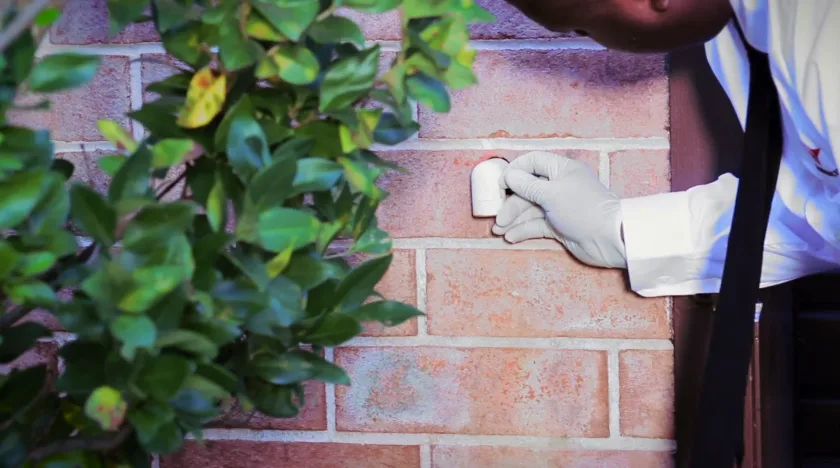
How much does rodent control cost in Florida?
Inspection typically runs $75 to $150 and is often credited against the job, though many operators including ours provide it free. Rat trapping and removal runs $150 to $600. Attic rat removal with trapping and exclusion runs $400 to $1,200. Attic cleanup and sanitising runs $300 to $1,000, and insulation removal and replacement $1,000 to $3,000. Full attic remediation lands between $1,500 and $5,000. Published Florida data puts most residential rodent removal jobs between roughly $85 and $900 depending on severity.
The Ranges
Published Florida Price Ranges
| Service | Typical range |
|---|---|
| Rodent inspection | $75 to $150, often credited against the job |
| Rat trapping and removal | $150 to $600 |
| Attic rat removal with trapping and exclusion | $400 to $1,200 |
| One way exclusion doors | $200 to $400 each |
| Attic cleanup and sanitising | $300 to $1,000 |
| Insulation removal and replacement | $1,000 to $3,000 |
| Full attic remediation | $1,500 to $5,000 |
| Post removal electrical inspection | $100 to $200 |
These are published industry ranges for general guidance rather than a quotation. Your number depends on the building, not on a price list.
What Drives It
Exclusion Prices by Openings, Not by Rats
This is the thing most homeowners do not expect. The number of animals barely affects the price. What sets it is how many openings the building has and how hard they are to reach.
- Newer home, three to five entry points: roughly $500 to $800 in sealing
- Older home, fifteen to twenty five openings: roughly $1,500 to $3,000
- Tile roofs: higher, because closures run every open eave, hip and ridge line rather than being spot sealed
- Coastal property: a modest premium for corrosion resistant material, and worth paying
- Elevated, pier or manufactured homes: priced by perimeter, and needing an underside survey
- Acreage with barns and outbuildings: genuinely several structures, quoted as such
That is why an older property with complex roof geometry can quote at three times a newer house of the same floor area on the same street. Ask for the entry point count rather than accepting a square footage estimate.
The Line To Question
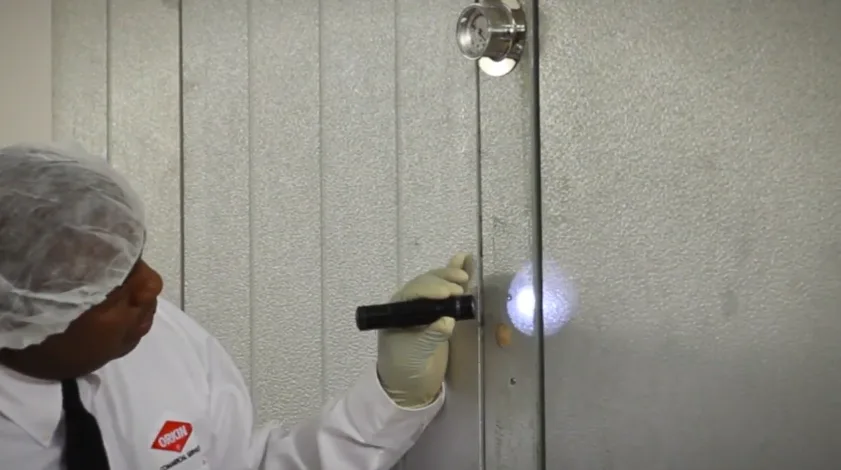
The One Invoice Line Worth Questioning Hardest
Insulation removal and replacement is the largest single line on a typical rodent invoice, at $1,000 to $3,000. It is also the one most frequently sold before anyone knows whether it is necessary.
Replacement is warranted with widespread urine saturation, insulation flattened into nesting beds across a large area, contamination in the return air path, or odour that persists after cleaning. It is not warranted by light droppings across a limited area of otherwise intact insulation, which can usually be cleaned and treated.
If it is quoted on the first visit, before a single trap has been set, ask why. At that point nobody knows whether the animals are gone, and re insulating an attic that still has rodents in it means paying for the work twice.
Insurance
Your Insurance Almost Certainly Does Not Cover It
Insurers classify rodent infestation as gradual and preventable rather than sudden and accidental, so rodent damage is excluded under most standard Florida policies, with many excluding infestation, nesting and waste discharge by name.
Secondary damage is the exception. If rodents chew wiring and that causes a fire, the fire damage may be covered while the removal and the chewed wiring itself are not. Coverage varies by carrier, so read your own policy rather than relying on a general rule.
The related cost most homeowners miss is the 4 point inspection. Most Florida insurers require one to bind or renew on an older home, it covers roof, electrical, plumbing and HVAC, and the electrical review includes visible wiring in accessible areas, which includes the attic. Rodent chewed attic wiring found there can jeopardise a renewal in a market where coverage is already expensive and hard to hold.
Value
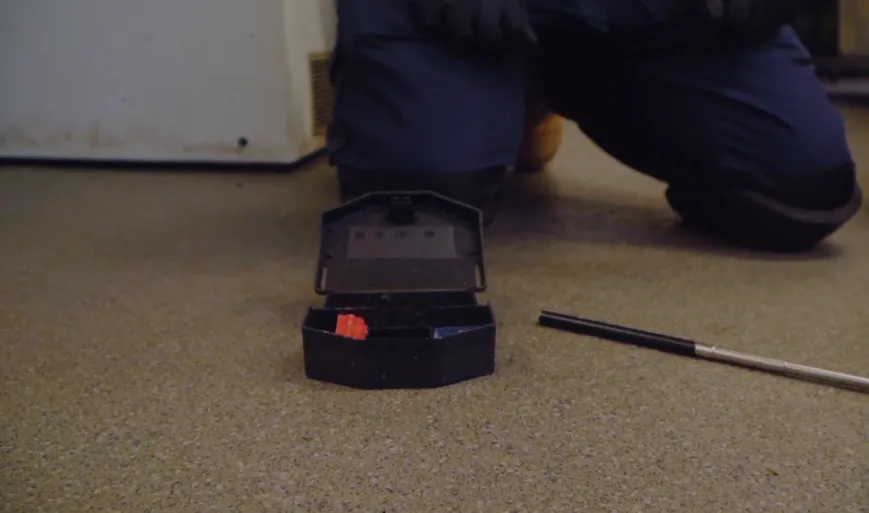
The Cheapest Version of This Problem
The same infestation costs very different amounts depending on when it is caught. A colony found in week two is a trapping and exclusion job at $400 to $1,200. The same colony found in month eight, after breeding through several litters and saturating insulation, is a full remediation at $1,500 to $5,000.
That gap is why seasonal and rental property owners are advised to inspect before arrival rather than after. Nothing about the rodents changes. Only the invoice does.
Want a real number for your house? Inspection is free and the quote is in writing.
Questions
Frequently Asked Questions
Why does exclusion price by openings rather than by house size?
Because the work is sealing openings. A large modern house with four mechanical penetrations is less work than a small older house with twenty gaps across complex roof geometry, wood fascia and a raised foundation. Ask for the entry point count.
Is the inspection really free?
Yes, through the operators we refer. You keep the photographs and the written quote whether or not you proceed, which is also useful if you want a comparison quote.
Why is my tile roof more expensive to seal?
Because closures generally have to run the full length of every open eave, hip and ridge line rather than being spot sealed. A rat will travel along the fascia to the next open end, so partial work does not hold.
Does homeowners insurance cover rodent damage?
Generally no. Insurers treat infestation as gradual and preventable, and most standard Florida policies exclude it. Secondary damage is the exception: if chewed wiring causes a fire, the fire damage may be covered while the removal and the wiring are not.
Should I get more than one quote?
Yes, and compare entry point counts rather than headline prices. Two quotes that look far apart frequently reflect different amounts of work being proposed rather than different margins.
Keep Reading
Related Guides and Services
- What to Ask Any Rodent Company
- Free Rodent Inspection
- Attic Restoration
- Rodent Damage Repair — and the 4 point inspection problem