

How It Works
Rodent Exclusion vs Pest Control: Why Spraying Never Works
A quarterly pest plan and a rodent exclusion are two different products solving two different problems. If rats keep coming back every year, this is almost always why.

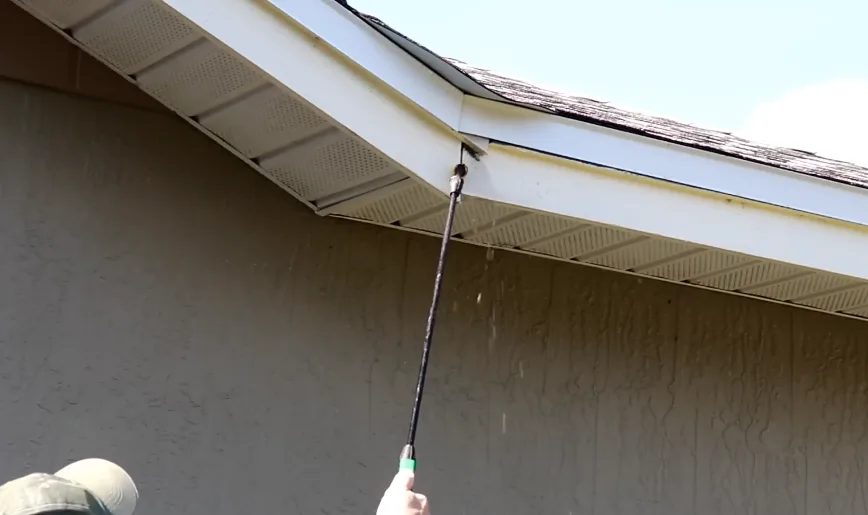
What is the difference between rodent exclusion and pest control?
Pest control is chemical and recurring: a technician treats for insects on a schedule, and for rodents typically places bait stations. Rodent exclusion is carpentry: somebody surveys the entire building envelope, then physically seals every opening larger than about half an inch with galvanised mesh, copper mesh, hardware cloth and metal flashing. Spraying does nothing to rodents because the problem is a hole, not a chemical deficiency. Exclusion is the only step that permanently ends it.
The Core Problem
Rodents Are Not a Chemical Problem, They Are an Opening
Insects can be treated chemically because the chemistry reaches them where they live. Rodents are mammals entering a building through a physical gap. No spray applied to a wall changes the fact that there is a half inch opening at your soffit line, and no bait station removes the reason animals arrive in the first place.
That is why the honest answer to “will spraying stop the rats” is no, and why a company that answers yes is either misunderstanding the problem or selling you a recurring charge.
The Comparison
What Each One Actually Is
General pest control
- Chemical treatment on a recurring schedule, usually quarterly
- Genuinely effective for ants, roaches, spiders and similar
- For rodents, typically bait stations placed around the perimeter
- Recurring by design, because the treatment degrades and reapplication is the model
- Does not close a single opening
Rodent exclusion
- A one time physical sealing of the building envelope
- Galvanised mesh, copper mesh, hardware cloth, metal flashing and purpose made closures
- Preceded by a full survey from a ladder and inside the attic
- Combined with trapping and a verification visit confirming zero activity
- Permanent when done properly, and it should carry a written warranty
The Bait Problem
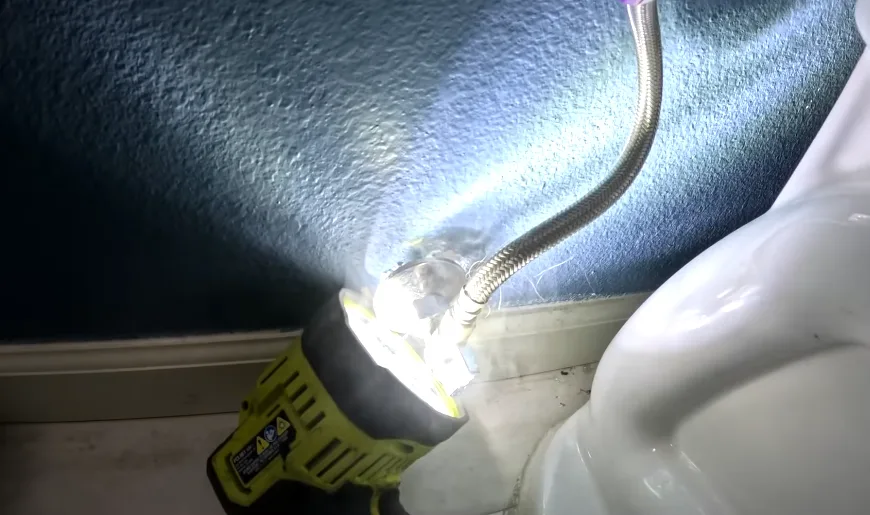
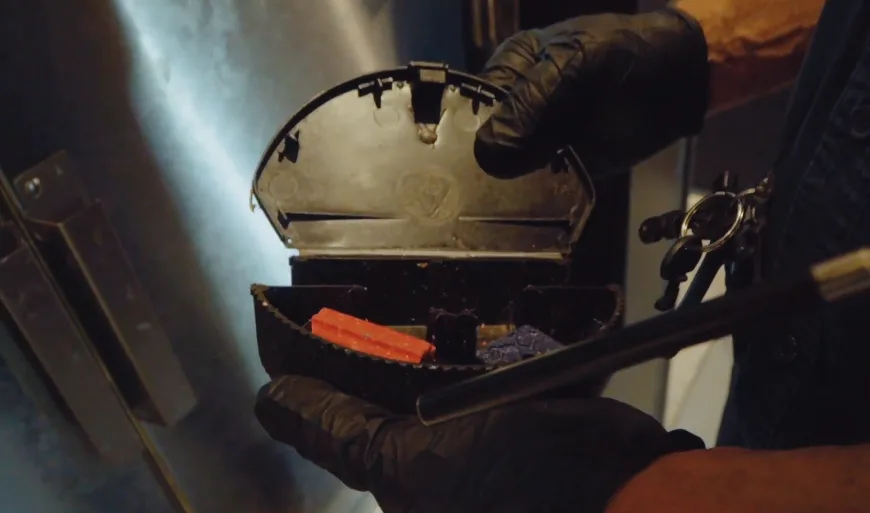
Why Bait Stations Make Some Situations Worse
A poisoned rodent does not go outside to die. It dies wherever it happens to be when the anticoagulant takes effect, which is frequently inside a wall cavity or above a ceiling. That converts a rodent job into an odour and decontamination job, and the carcass can be genuinely hard to reach.
There is a second problem. Rodenticide moves up the food chain. Florida owls, hawks and other raptors that eat a poisoned rodent are exposed to secondary poisoning, and those birds are doing genuinely effective rodent control across grove, ranch and preserve country. Poisoning them works against you as well as against the ecosystem.
Bait also does nothing about the opening. Every animal removed is replaced by another arriving through the same gap, which is precisely the pattern behind a rodent problem that returns every autumn.
What Correct Looks Like
The Order of Operations, and Why It Is Not Negotiable
- Inspection. Full exterior roofline and attic survey, every entry point photographed before anything is touched.
- Exclusion and trapping together. One way doors let animals leave and not return while traps take the rest.
- Verification. A return visit confirming zero activity before the final opening is closed.
- Attic restoration where warranted. Contaminated insulation removal, HEPA vacuuming, treatment and re insulation.
Sealing before removal traps animals inside, where they chew new openings to get out or die in your wall voids. And any operator who sanitises and re insulates before the animals are confirmed gone is doing the expensive step first and the effective step second. If somebody quotes insulation replacement on the first visit, before a single trap has been set, ask them why.
Materials
What Rodents Can and Cannot Chew Through
Rodent incisors grow continuously and they gnaw to keep them filed, which is why material choice decides whether the work holds.
- Chewed through within days: expanding foam, caulk, silicone, wood, plastic, thin aluminium, screen mesh
- Holds permanently: galvanised hardware cloth, copper mesh, stainless mesh, metal flashing, masonry and mortar
Finding expanding foam in your soffit or tile ends is a reliable sign the previous work was cosmetic rather than exclusion. On coastal property, ask specifically whether cut edges will be sealed or whether stainless or copper is being used, because salt attacks raw galvanised edges within a few years.
Want the openings found and photographed? The inspection is free.
Questions
Frequently Asked Questions
Will my quarterly pest plan stop rats?
No. Quarterly plans are chemical treatment on a schedule and genuinely useful for insects. Rodents enter through a physical opening, and nothing in a spray or a bait station closes that opening. If rats return every year despite a pest plan, the opening was never sealed.
Is exclusion a one time cost or recurring?
One time, when done properly, and it should carry a written warranty with a term attached. That is the fundamental commercial difference from a recurring pest plan.
Why do you not use poison by default?
A poisoned rat dies inside your wall rather than outside, turning a rodent job into an odour and decontamination job. Rodenticide also creates secondary poisoning risk for Florida owls, hawks and other raptors, as well as for pets.
How much does exclusion cost?
It prices by openings rather than by rats. A newer home with three to five entry points typically runs $500 to $800 in sealing, while an older property with fifteen to twenty five openings can run $1,500 to $3,000. Ask for the entry point count rather than a square footage estimate.
How long does the whole process take?
Sealing is typically one to two days on site. Trapping and verification run alongside and generally take two to four weeks before zero activity is confirmed. Attic restoration, if warranted, is scheduled after that.
Keep Reading
Related Guides and Services
- Rodent Exclusion — the full service page
- Free Rodent Inspection — where every job should start
- What to Ask Any Rodent Company
- Attic Restoration — the step that comes last, not first