

Seminole County | 32732
Rodent Control Geneva, FL
Geneva is a rural community in east Seminole County, acreage and equestrian country bordered by the Little Big Econ State Forest, the Geneva Wilderness Area and the St. Johns River floodplain.

What kind of rodent problem does Geneva have?
Roof rats and house mice, with a mild but genuine late October to February push. Geneva is rural east Seminole County, acreage and equestrian country against the Econ and St. Johns floodplain and wilderness area.
Services in Geneva
What We Do in Geneva
Rodent work splits into three jobs most companies sell as one: getting the animals out, sealing the building so they cannot come back, and cleaning up what they left behind. All of it is available in Geneva.
Rodent Exclusion in Geneva
Every opening over half an inch sealed in metal. The part of the job that actually ends it.
Rat Removal in Geneva
Roof rats overhead, Norway rats at grade. Trapping and one way doors rather than bait.
Attic Restoration in Geneva
Contaminated insulation out, space sanitised and deodorised, then re insulated. After verification, never before.
Dead Rodent Removal in Geneva
Located methodically rather than guessed at, so you pay for one small opening, not exploratory damage.
Soffit & Eave Sealing in Geneva
The most common Florida entry, invisible from the ground. Closed with metal along the full run.
Tile Roof Proofing in Geneva
Rats walk in at open eave, hip and ridge ends. Closures fitted along every line.
Free Rodent Inspection in Geneva
Full roofline and attic survey, every opening photographed, written quote split by phase.
Mouse Control in Geneva
Smaller gaps, faster breeding, finer exclusion. Getting the species right changes the whole plan.
Attic Cleanup in Geneva
Droppings, urine and the pheromone trail. HEPA, enzyme and antimicrobial, in full protection.
Solar Panel Proofing in Geneva
Critter guard clipped to the frame with J hooks. Never drilled, so your warranty stays intact.
Squirrel Removal in Geneva
Gray and flying squirrels under FWC rules. Relocation across the county is not legal in Florida.
Emergency Removal in Geneva
Loose animal, odour or anything electrical. We will tell you honestly if it can wait.
Why Geneva Is Different
Rural East Seminole Acreage and Wilderness Edge
Geneva is genuinely rural east Seminole rather than suburban Seminole, and its conditions have far more in common with rural Volusia or inland Marion than with Lake Mary or Altamonte Springs twenty minutes west.
The first factor is acreage and outbuildings. Geneva property commonly runs to several acres with barns, stables, tack rooms, workshops and feed or hay storage, and this is genuine horse country. Where feed, grain or bedding is present those buildings sustain populations year round, warm and dry and undisturbed at night, so the house is frequently the second stop rather than the source. Sealing the house alone on Geneva acreage is the most common reason work does not hold, and any competent quote asks about feed storage before it prices anything.
The second factor is wilderness and floodplain. The Little Big Econ State Forest, the Geneva Wilderness Area and the St. Johns River floodplain give extensive permanent unmanaged habitat with no boundary that can be sealed, plus flooding that displaces populations toward dry structures in waves rather than gradually.
The third factor is construction. Older Geneva stock frequently includes raised or crawl space foundations rather than slab, giving an underside that is dry, sheltered, temperature stable and almost never inspected, and which a suburban Seminole survey skips entirely.
Fourth, being rural and inland, Geneva feels the cool season more than the developed part of the county does, making house mice a more realistic possibility.
Not sure what you are hearing overhead? We will identify it for free.
What you will notice first in a Geneva home
- Running or scratching directly overhead, most often between dusk and about two in the morning, following the same route night after night because rats use established runways.
- Gnawing, slower and harder than running, usually meaning they are working on something structural or on wiring.
- Droppings in the attic, garage, on top of ductwork or along baseboards. Roof rat droppings are black, banana shaped and a quarter to half an inch long.
- Greasy rub marks where they squeeze through the same gap repeatedly, which is often how the entry point gets located.
- A musky ammonia odour that strengthens as the population grows, and a sharper decomposition smell if one has died inside.
- Daylight visible through gaps when you look toward the eaves from inside the attic, which confirms the route without needing a ladder.
- Activity during the day, the one worth acting on quickly. It means the colony has grown large enough that animals forage outside normal hours, and attic contamination is usually already significant.
Geneva Housing Stock
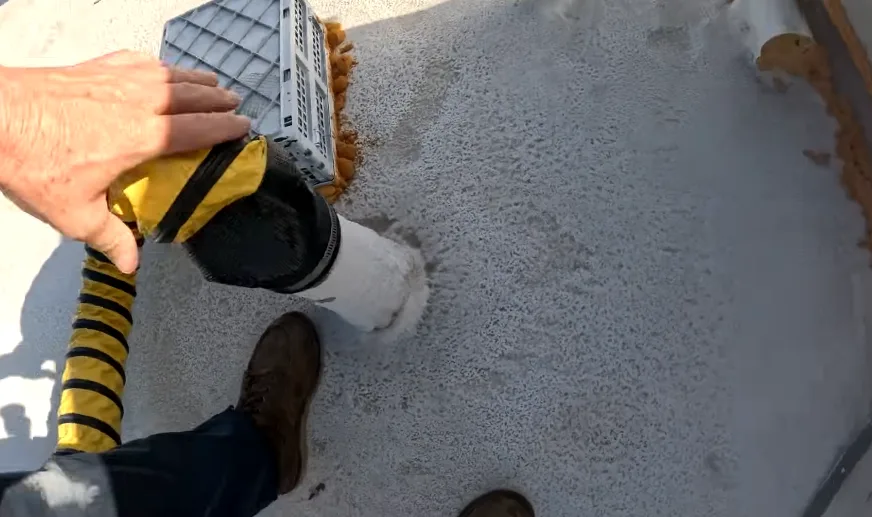
Where Rats Get In Across Geneva
Geneva spans equestrian and rural acreage, wilderness and floodplain adjacency, older raised stock and scattered newer construction.
- Equestrian and rural acreage. The defining condition. Barns, stables, tack rooms and feed storage sustaining populations year round.
- Wilderness and state forest adjacency. Extensive permanent unmanaged habitat with no boundary that can be sealed.
- St. Johns and Econ floodplain. Flooding that displaces populations toward dry structures in waves rather than gradually.
- Older raised and crawl space construction. An underside that is dry, sheltered and almost never inspected.
- Manufactured and mobile home stock. Skirting, hatches, belly board and the underside, needing a survey most companies skip.
- Scattered newer construction. Plan built homes with fewer consistent openings, still sitting against rural land.
The survey starts at the barn, not the house
On Geneva acreage the first questions should be about the outbuildings and the feed. How is grain and feed stored, sealed metal bins or paper sacks. Where is hay and bedding kept, off the floor or against a wall. Has the tack room or workshop been showing droppings. If a company quotes your house without asking any of that, they have priced a fraction of the job. Sealed metal feed storage and a properly excluded feed room frequently does more for a Geneva rodent problem than anything done to the house itself.
The Season Here
When Geneva Rodent Calls Spike
- Late October through February, the cool season push. Rural inland Seminole feels it more than the developed west of the county, and rodents move from forest, floodplain, outbuilding and crawl space harborage into structures for warmth.
- June through November, hurricane season. Central Florida takes inland wind and rain rather than surge. Hurricane Ian caused significant inland flooding across Seminole County in 2022 and Hurricane Milton crossed the state in 2024. Flooded St. Johns and Econ floodplain burrows push whole populations toward dry structures at once.
- Summer heat and drought. Heat dries outdoor water sources and afternoon flooding disrupts ground nests, both pushing rodents indoors in July. UF/IFAS confirms May through November is prime time for both storm activity and pest pressure in Florida, and that flooding displaces vertebrate pests into structures.
- Feed cycles and barn clearouts. Not a weather season but a real driver on equestrian property. Restocking increases the supply and clearing out a barn displaces the population toward the house.
On the 2026 season: NOAA has maintained a below normal outlook, and as of early August the Atlantic season had produced two named tropical storms, Arthur and Bertha, with no hurricanes. Colorado State University’s August outlook called for nine named storms, four hurricanes and one major. Good news for Seminole County, and it means this year’s pressure is seasonal rather than storm driven, which makes now a sensible window to get a house sealed.
Found droppings, or daylight through a gap in the attic? Get it looked at.
The Work
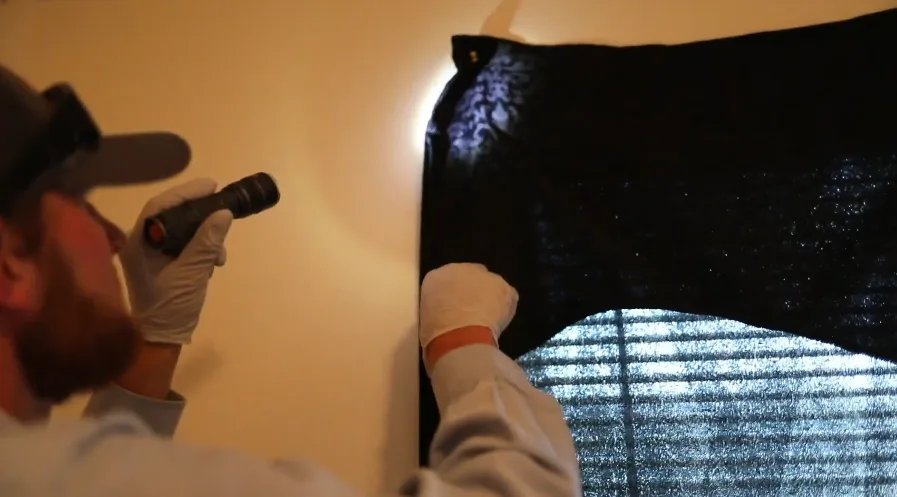
What a Geneva Rodent Job Actually Involves
Rodent work splits into three jobs most companies sell as one. In Geneva the outbuildings and the underside both matter more than the roofline does on most properties.
- Inspection. Full exterior roofline and attic survey, every entry point photographed before anything is touched. Typically 45 to 90 minutes.
- Exclusion and trapping together. One way doors let animals leave and not return while traps take the rest. Sealed with galvanised mesh, copper mesh, hardware cloth and metal flashing, never foam or caulk.
- Verification. A return visit confirming zero activity before the last opening is closed.
- Attic restoration where warranted. Contaminated insulation removal, HEPA vacuuming, enzymatic and antimicrobial treatment, deodorising, then re insulation.
The order matters and it is not negotiable. Sealing a house with rats still inside means they chew new openings to get out, or they die in your wall voids. And any operator who sanitises and re insulates a Geneva attic before the animals are confirmed gone is doing the expensive step first and the effective step second. If somebody quotes insulation replacement on the first visit, before a single trap has been set, ask them why.
Poison is not the default here
Two reasons, and both are sharper on equestrian land. Barn cats, working dogs and the substantial owl and raptor population across the Econ and St. Johns corridor all predate rodents, with owls genuinely effective rodent control on a farm. Poisoning the food chain removes them. Rodenticide near feed storage is also an obvious hazard around horses.
Cost in Geneva
What Rodent Control Costs in Geneva
These are published national and Florida ranges so you know the shape of pricing before you call anyone. Acreage with multiple outbuildings is genuinely several structures and should be quoted that way.
| Service | Typical range |
|---|---|
| Rodent inspection | $75 to $150, often credited against the job |
| Rat trapping and removal | $150 to $600 |
| Attic rat removal with trapping and exclusion | $400 to $1,200 |
| One way exclusion doors | $200 to $400 each |
| Attic cleanup and sanitising | $300 to $1,000 |
| Insulation removal and replacement | $1,000 to $3,000 |
| Full attic remediation | $1,500 to $5,000 |
Exclusion prices by openings, not by rats. The house alone with three to five entry points typically runs $500 to $800 in sealing, and an older property with fifteen to twenty five openings across roofline and underside can run $1,500 to $3,000. Equestrian property with barns, tack rooms and feed storage in scope sits well above that, because a barn is a building in its own right.
Your insurance almost certainly does not cover it
Insurers classify rodent infestation as gradual and preventable rather than sudden and accidental, so rodent damage is excluded under most standard Florida policies, with many excluding infestation, nesting and waste discharge by name. Secondary damage is the exception: if rodents chew wiring and cause a fire, the fire damage may be covered while removal and the chewed wiring are not. Coverage varies by carrier, so read your own policy.
The part that catches homeowners out is the 4 point inspection. Most Florida insurers require one to bind or renew on an older home. It covers roof, electrical, plumbing and HVAC, and the electrical review includes visible wiring in accessible areas, which includes the attic. Rodent chewed attic wiring found in a 4 point can jeopardise a renewal, in a market where Seminole County coverage is already expensive and hard to hold. If you are working to a renewal or closing deadline, say so when you book.
Want a real number for your house? The inspection is free and the quote is in writing.
Nearby
Other Areas We Cover Near Geneva
Neighbouring communities in the same region. Conditions are similar but not identical, and each page covers the housing stock and entry points specific to that place.
See every community in this region, or the full Florida service area map.