

Collier County | 34102 34103 34104 34105 34108 34109 34110 34112 34113 34114 34116 34117 34119 34120
Rodent Control Naples, FL
Naples sits in one of the warmest zones in the continental United States, which means roof rats here never get a winter. No cold break, no breeding pause, and some of the highest value attics in Florida sitting under tile roofs nobody inspects.
What kind of rodent problem does Naples have?
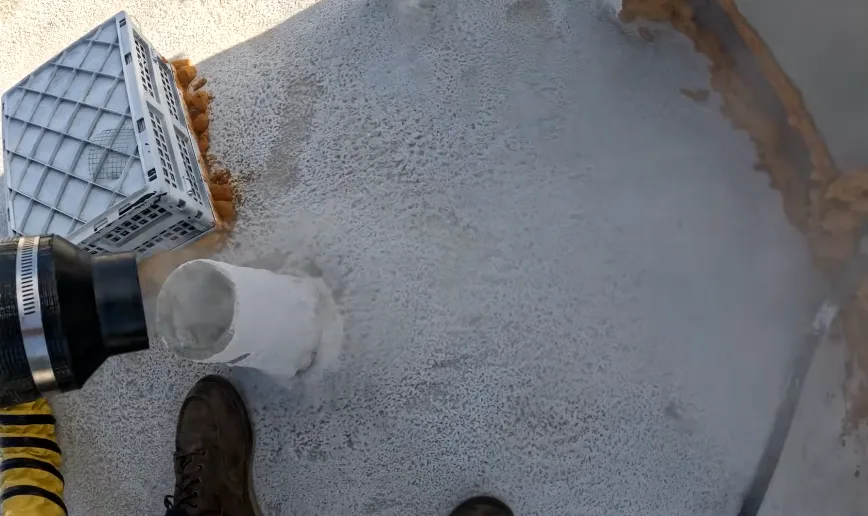
Roof rats, breeding all twelve months because Naples sits in roughly USDA zone 10b with no winter suppression. Entry is usually barrel tile ends at the eave and hip, or palm boots on royal, coconut and Washingtonia palms giving a route onto the roof.
Services in Naples
What We Do in Naples
Rodent work splits into three jobs most companies sell as one: getting the animals out, sealing the building so they cannot come back, and cleaning up what they left behind. All of it is available in Naples.
Rodent Exclusion in Naples
Every opening over half an inch sealed in metal. The part of the job that actually ends it.
Rat Removal in Naples
Roof rats overhead, Norway rats at grade. Trapping and one way doors rather than bait.
Attic Restoration in Naples
Contaminated insulation out, space sanitised and deodorised, then re insulated. After verification, never before.
Dead Rodent Removal in Naples
Located methodically rather than guessed at, so you pay for one small opening, not exploratory damage.
Soffit & Eave Sealing in Naples
The most common Florida entry, invisible from the ground. Closed with metal along the full run.
Tile Roof Proofing in Naples
Rats walk in at open eave, hip and ridge ends. Closures fitted along every line.
Free Rodent Inspection in Naples
Full roofline and attic survey, every opening photographed, written quote split by phase.
Mouse Control in Naples
Smaller gaps, faster breeding, finer exclusion. Getting the species right changes the whole plan.
Attic Cleanup in Naples
Droppings, urine and the pheromone trail. HEPA, enzyme and antimicrobial, in full protection.
Solar Panel Proofing in Naples
Critter guard clipped to the frame with J hooks. Never drilled, so your warranty stays intact.
Squirrel Removal in Naples
Gray and flying squirrels under FWC rules. Relocation across the county is not legal in Florida.
Emergency Removal in Naples
Loose animal, odour or anything electrical. We will tell you honestly if it can wait.
Why Naples Is Different
A Tropical Zone With No Off Season, and Attics Worth Protecting
Naples is roughly USDA zone 10b, and that single fact changes everything about rodent work here. Winter temperatures do not drop low enough to suppress breeding, so roof rat populations do not reset each year the way they do in Jacksonville or Tallahassee. There is no quiet period to wait out. A colony that establishes in a Naples attic in March is still there in December, larger.
The landscaping makes it worse in a way most homeowners never connect. Naples is heavily planted with royal palms, coconut palms, Washingtonia and Sabal palms, and roof rats nest in the dead frond skirt on the trunk, what the trade calls the palm boot. Add mango, avocado and citrus in older Old Naples and Coquina Sands gardens, and you have both food and harborage within a few feet of the roofline.
Then there is the canopy and the utility lines. Across the older streets west of Goodlette-Frank, mature ficus and oak reach the roof and cable runs cross property to property. Roof rats use all of it. They travel at height, which is why so many Naples homeowners never see a rat in the yard before they hear one running above the bedroom ceiling at eleven at night.
The commercial reality is worth saying plainly too. Property values here mean attic contamination is normally remediated properly rather than spot cleaned, and insulation is replaced rather than patched. That is a genuinely larger job than the same infestation in a lower value market, and you should expect the quote to reflect scope rather than opportunism. Ask for it itemised by phase and you will be able to see the difference.
Not sure what you are hearing overhead? We will identify it for free.
What you will notice first in a Naples home
- Running or scratching directly overhead, most often between dusk and about two in the morning, following the same route night after night because rats use established runways.
- Gnawing, which is slower and harder than running and usually means they are working on something structural or on wiring.
- Droppings in the attic, garage, on top of ductwork or along baseboards. Roof rat droppings are black, banana shaped and a quarter to half an inch long.
- Greasy rub marks where they squeeze through the same gap repeatedly, which is often how the entry point gets located.
- A musky ammonia odour that strengthens as the population grows, and a sharper decomposition smell if one has died inside.
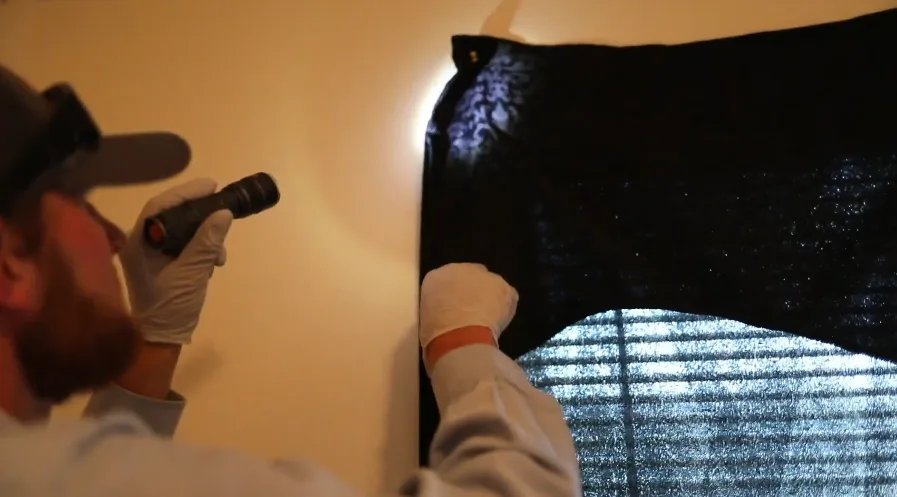
- Daylight visible through gaps when you look toward the eaves from inside the attic, which confirms the route without needing a ladder.
- Activity during the day, which is the one worth acting on quickly. It means the colony has grown large enough that animals are foraging outside normal hours, and attic contamination is usually already significant.
Naples Housing Stock
Where Rats Get In Across Naples
Naples is not one housing stock and the entry points differ sharply by where you are. A company quoting the same scope from Old Naples to Golden Gate Estates has not looked at the building.
- Old Naples and Aqualane Shores. Older stock under mature canopy, wood fascia, original soffit detail and heavy tropical planting right against the structure. Highest incidence of long established colonies rather than recent entries, which usually means attic contamination is already significant by the time anyone calls.
- Park Shore, Moorings and Coquina Sands. 1960s and 1970s slab construction, low pitch attics that are slow and awkward to work, and original soffit returns that have separated at least once. Access difficulty is why contamination here often goes unaddressed for years.
- Pelican Bay, Grey Oaks and the gated communities. Barrel and S tile almost universally, HOA rules on what may be attached to a roof or soffit, and shared landscape maintenance that homeowners cannot unilaterally change. Exclusion has to be specified with the association restrictions understood in advance.
- North Naples along Immokalee Road and Vanderbilt Beach Road. Newer master planned construction. Fewer openings per house but consistent across the plan, dominated by unsealed AC line sets, condensate penetrations and return air chases.
- Golden Gate City and Golden Gate Estates. Larger lots, heavy vegetation, outbuildings and detached garages that act as staging harborage before anything reaches the house. Treating the house alone here is why people call back.
- Naples Park and the Vanderbilt corridor. Dense small lot grid, older single storey stock, and properties close enough together that a neighbour untreated is genuinely your problem.
Barrel and S tile, specifically
Tile is near universal in Naples and it is the entry point homeowners are least aware of. Tile leaves open ends at the eave, the hip and the ridge, and those openings run straight under the underlayment into the attic void. The foam closures and mortar meant to block them break down in Florida UV, get displaced by wind, or were never installed correctly in the first place. A rat does not chew through your tile. It walks in at the open end, and you will never see it from the ground.
The Season Here
When Naples Rodent Calls Spike
- September through March, fruit and citrus. As mango, avocado and citrus ripen, colonies living outdoors move toward structures. The diagnostic sign is fruit hollowed out while still hanging on the branch.
- June through November, hurricane season. Before a storm, falling barometric pressure, shifting wind and rising humidity drive rodents to shelter while the system is still offshore. Afterwards, flooded ground burrows and flooded palm boots plus new roof damage push them up. UF/IFAS confirms May through November is prime time for both storm activity and pest pressure in Florida, and that flooding displaces vertebrate pests into structures.
- Summer heat and drought. The one Naples homeowners least expect. Heat dries outdoor water sources and afternoon flooding disrupts ground nests, both pushing rodents indoors in July.
- Seasonal residents, roughly November through April. This is the big one in Naples. A house closed from May to November gives a colony six or seven undisturbed months. The first sign is usually the smell on arrival, and by then it is an attic restoration rather than a trapping job.
On the 2026 season: NOAA has maintained a below normal outlook, and as of early August the Atlantic season had produced two named tropical storms, Arthur and Bertha, with no hurricanes. Colorado State University’s August outlook called for nine named storms, four hurricanes and one major. That is good news for Collier County, and it means this year’s pressure is fruit and heat driven rather than storm driven. It also makes right now a sensible window to get a house sealed before the seasonal population returns.
Found droppings, or daylight through a gap in the attic? Get it looked at.
The Work
What a Naples Rodent Job Actually Involves
Rodent work splits into three jobs that most companies sell as one, and in Naples all three usually apply, because colonies here have often been established far longer than the homeowner realises.
- Inspection. Full exterior roofline and attic survey, every entry point photographed before anything is touched. Typically 45 to 90 minutes.
- Exclusion and trapping together. One way doors let animals leave and not return while traps take the rest. Sealed with galvanised mesh, copper mesh, hardware cloth, metal flashing and proper tile closures, never foam or caulk.
- Verification. A return visit confirming zero activity before the last opening is closed.
- Attic restoration where warranted. Contaminated insulation removal, HEPA vacuuming, enzymatic and antimicrobial treatment, deodorising to remove the pheromone trail, then re insulation.
The order matters and it is not negotiable. Sealing a house with rats still inside means they chew new openings to get out, or they die in your wall voids. And any operator who sanitises and re insulates a Naples attic before the animals are confirmed gone is doing the expensive step first and the effective step second. If somebody quotes insulation replacement on the first visit, before a single trap has been set, ask them why.
Poison is not the default here
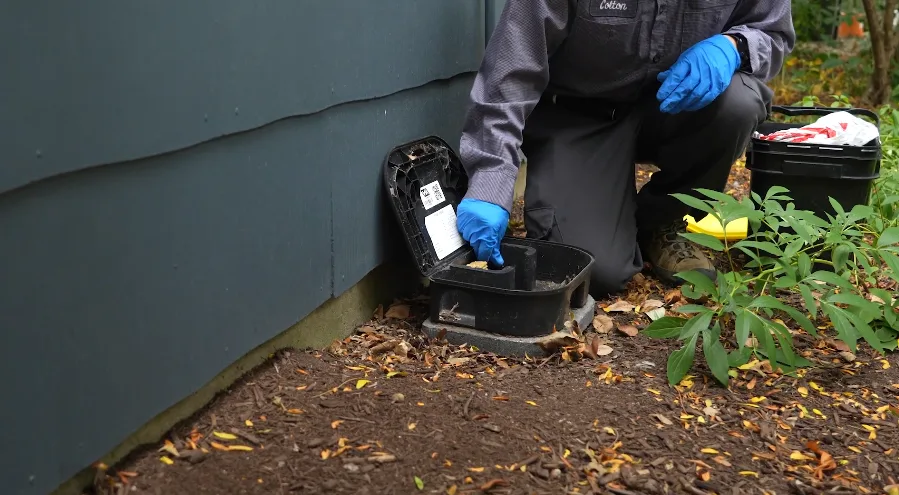
Two reasons. A poisoned rat does not go outside to die, it dies inside your wall, which in Naples heat becomes an odour job within days. And Collier County has a substantial raptor population alongside the conservation land at Rookery Bay and Corkscrew Swamp, so secondary poisoning where an owl or hawk eats a poisoned rodent is a real consequence, as it is for pets.
Cost in Naples
What Rodent Control Costs in Naples
These are published national and Florida ranges so you know the shape of pricing before you call anyone. Naples sits at the higher end of exclusion pricing for two reasons: barrel tile is more labour than architectural shingle, and tile closures usually have to run every open eave and hip line rather than being spot sealed.
| Service | Typical range |
|---|---|
| Rodent inspection | $75 to $150, often credited against the job |
| Rat trapping and removal | $150 to $600 |
| Attic rat removal with trapping and exclusion | $400 to $1,200 |
| One way exclusion doors | $200 to $400 each |
| Attic cleanup and sanitising | $300 to $1,000 |
| Insulation removal and replacement | $1,000 to $3,000 |
| Full attic remediation | $1,500 to $5,000 |
Exclusion prices by openings, not by rats. A newer North Naples home with three to five entry points typically runs $500 to $800 in sealing. An older Park Shore or Old Naples home with fifteen to twenty five openings can run $1,500 to $3,000. Published Florida data puts most residential rodent removal jobs between roughly $85 and $900 depending on severity, with attic work sitting well above that.
Your insurance almost certainly does not cover it
Insurers classify rodent infestation as gradual and preventable rather than sudden and accidental, so rodent damage is excluded under most standard Florida policies, with many excluding infestation, nesting and waste discharge by name. Secondary damage is the exception: if rodents chew wiring and cause a fire, the fire damage may be covered while removal and the chewed wiring are not. Coverage varies by carrier, so read your own policy.
The part that catches Naples homeowners out is the 4 point inspection. Most Florida insurers require one to bind or renew on an older home. It covers roof, electrical, plumbing and HVAC, and the electrical review includes visible wiring in accessible areas, which includes the attic. Rodent chewed attic wiring found in a 4 point can jeopardise a renewal, in a market where Collier County coverage is already expensive and hard to hold. If you are working to a renewal or closing deadline, say so when you book.
Want a real number for your house? The inspection is free and the quote is in writing.
Nearby
Other Areas We Cover Near Naples
Neighbouring communities in the same region. Conditions are similar but not identical, and each page covers the housing stock and entry points specific to that place.
See every community in this region, or the full Florida service area map.