

Vents & Roofline
Bird Nesting Removal and Vent Screening in Florida
A blocked dryer vent is a fire risk. A nest in a bathroom fan vent is a moisture problem. And every opening a bird uses is an opening a rodent can use once the nest is abandoned.
Why It Matters
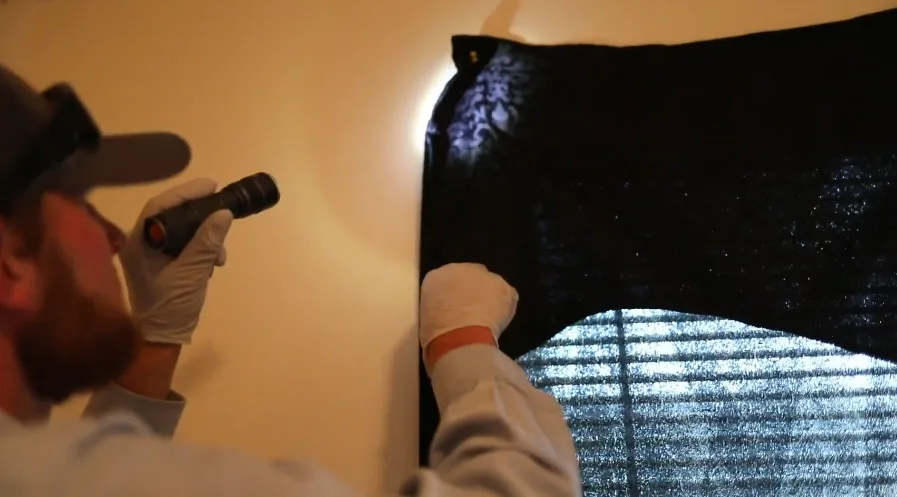
Three Separate Problems in One Opening
Bird nesting in vents gets treated as a nuisance, but it is really three problems wearing one coat.
Fire risk. A dryer vent blocked with nesting material traps lint and heat exactly where a dryer is designed to expel both. It is the most serious version of this and the one most homeowners underestimate.
Moisture. Bathroom and kitchen exhaust vents blocked by a nest push humid air back into the wall or attic assembly rather than outside. In Florida, warm moist air trapped in a wall is a mould problem waiting to develop.
Rodent entry. This is the one we care about most. A bird makes or enlarges an opening, uses it for a season and abandons it. What is left is a hole in your envelope with the screening already gone, sitting under an eave, and roof rats find it quickly. A great many rodent entries we survey started as bird openings.
There is also the nesting material itself, which is dry, fibrous and packed into a cavity, making excellent rodent nesting material without them having to gather any.
Timing matters. Active nests with eggs or dependent young should not be disturbed, and some species carry legal protections, so identification comes before removal.
Vent blocked or birds in the roofline? Get it cleared and screened.
Where It Happens
The Openings Birds Use on Florida Homes
- Dryer vents. The most common and the highest risk. Exterior flaps fail open and the duct behind is a perfect cavity.
- Bathroom and kitchen exhaust vents. Roof mounted or wall mounted, both readily colonised once the flap fails.
- Roof, turbine and ridge vents. Factory screening degrades in Florida UV and once it is gone the vent is an open cavity.
- Gable end louvres. Often unscreened or screened with material long since failed, and large enough for substantial nesting.
- Open tile ends and the space under tile. Sheltered, warm and reachable, and shared directly with roof rats.
- Under solar arrays. Birds and rodents both use the gap, and nesting debris blocks the drainage path under the panels.
The pattern worth noticing is that every one of those is also on the rodent entry list. Vent screening is genuinely part of rodent exclusion rather than a separate service, which is why it is usually cheaper to do them together.
Screening, not blocking
Vents exist to move air, and the failure mode we see most often after a DIY fix is somebody sealing a vent entirely because something was nesting in it. A blocked dryer vent or exhaust is a worse problem than a bird. Correct work screens the opening with an appropriately sized metal mesh or a purpose made vent guard that excludes wildlife while preserving airflow, and includes a functioning flap where the vent needs one.
The Process
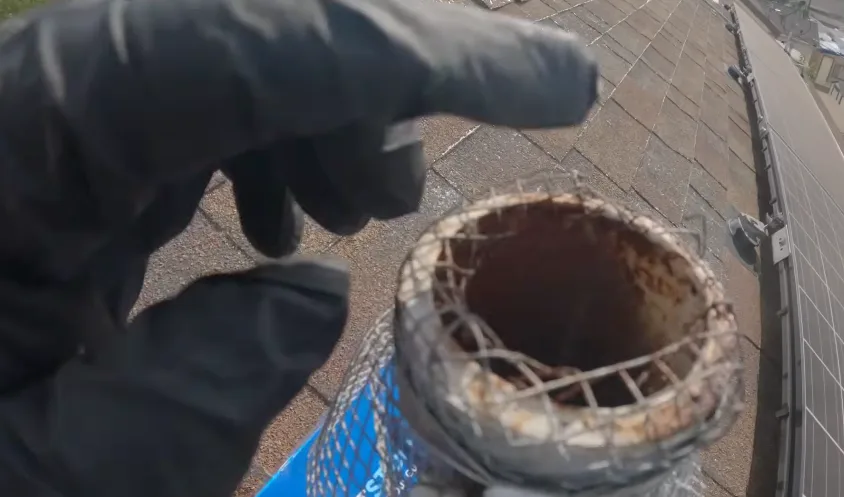
How the Work Is Done
- Identification and timing check. Whether the nest is active and whether dependent young are present, before anything is removed.
- Removal of nesting material. From the full depth of the duct or cavity, not just the visible end.
- Duct inspection and cleaning. Particularly on dryer vents, where accumulated lint is the fire risk.
- Screening or vent guard fitted. Metal, sized to exclude wildlife while preserving airflow, with a working flap where required.
- Roofline check. Because a bird opening is a rodent opening and the rest of the envelope is worth surveying while somebody is on the ladder.
- Attic check where nesting reached the void.
Usually a single visit. The most useful part is often the roofline survey that comes with it, because a bird opening rarely turns out to be the only one.
Get the vents cleared, screened and the roofline checked.
Cost
What Vent Work Costs
These are published national and Florida ranges. Vent work is the lower end of roofline pricing and is frequently folded into a larger exclusion job.
| Item | Typical range |
|---|---|
| Inspection | $75 to $150, often credited |
| Nest removal and vent clearing | Quoted per vent |
| Metal vent screening or guards | Low, per opening |
| Dryer duct cleaning | Quoted on run length |
| Combined with full exclusion | Usually folded into the larger quote |
If you are already having exclusion done, vent screening should be in the scope rather than sold separately. A quote that seals your soffit and leaves unscreened gable louvres has left the door open.
Questions
Frequently Asked Questions
Is a nest in my dryer vent dangerous?
It is the highest risk version of this. Nesting material traps lint and heat exactly where a dryer is designed to expel both, which is a genuine fire risk. It is also the vent most likely to be blocked without the homeowner noticing, because the symptom is simply longer drying times.
Why does a bird problem become a rat problem?
Because a bird makes or enlarges an opening, uses it for a season and abandons it. What is left is a hole in your envelope with the screening already gone, sitting under an eave, plus dry fibrous nesting material inside. Roof rats find those quickly, and a great many rodent entries started as bird openings.
Can I just seal the vent up?
Please do not. Vents exist to move air, and a blocked dryer or bathroom exhaust is a worse problem than a bird, pushing humid air into your wall or attic. Correct work screens the opening with metal mesh sized to exclude wildlife while preserving airflow.
What if there are eggs or chicks in there?
Active nests with eggs or dependent young should not be disturbed, and some species carry legal protections. Identification and timing come before removal, which occasionally means scheduling the work rather than doing it the same day.
Are the operators you refer licensed?
Yes. Florida regulates pest control under Chapter 482, Florida Statutes, administered by FDACS, and rodent work falls under General Household Pest and Rodent Control. Wildlife species are additionally regulated by the Florida Fish and Wildlife Conservation Commission. Your assigned operator provides their licence number on your written estimate and you can verify it through the FDACS licensee search at fdacs.gov.
Do you use poison?
Not as a default. A poisoned animal does not go outside to die, it dies inside your wall, which turns one job into an odour job. And rodenticide creates secondary poisoning risk for Florida owls, hawks and other raptors, as well as for pets.
Related services: Soffit and Eave Sealing, Solar Panel Rodent Proofing, Rodent Exclusion, Tile Roof Proofing.
Coverage
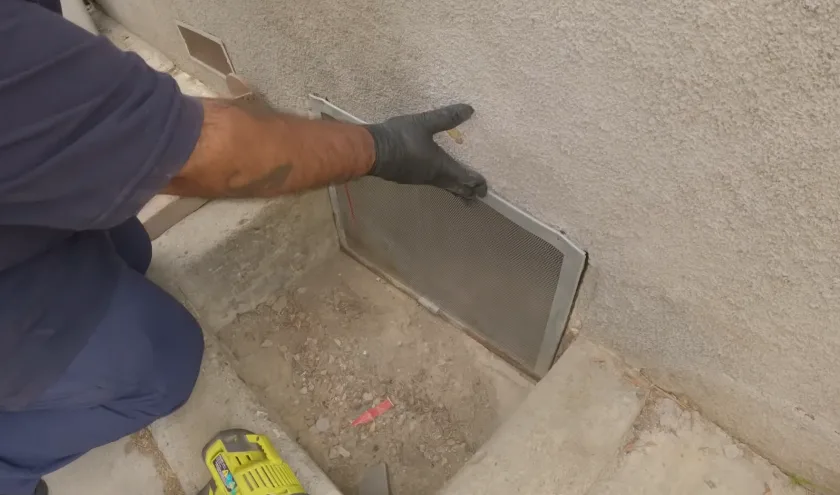
Bird Nesting Removal and Vent Screening Across Nine Florida Regions
Bird Nesting Removal and Vent Screening is available through the FDACS-licensed operators we refer across 178 Florida communities. The conditions differ by region, so pick yours below and the page will tell you what actually drives rodent problems there and every community we cover inside it.
Not sure which region you are in? Call with your ZIP and we will confirm coverage before anything is scheduled, or see the full Florida service area map.
Read Next
Guides Worth Reading Before You Book
Background reading that will help you judge a quote, understand what the work involves, and know what to expect before anyone comes out.
Get every vent on the house screened properly.