

Repair & Insurance
Rodent Damage Repair and Attic Wiring Inspection
Rats chew wiring because their incisors never stop growing. Damaged wire insulation is a fire risk that may not trip a breaker until it is too late, and in Florida it can also cost you your homeowners policy.
The Damage
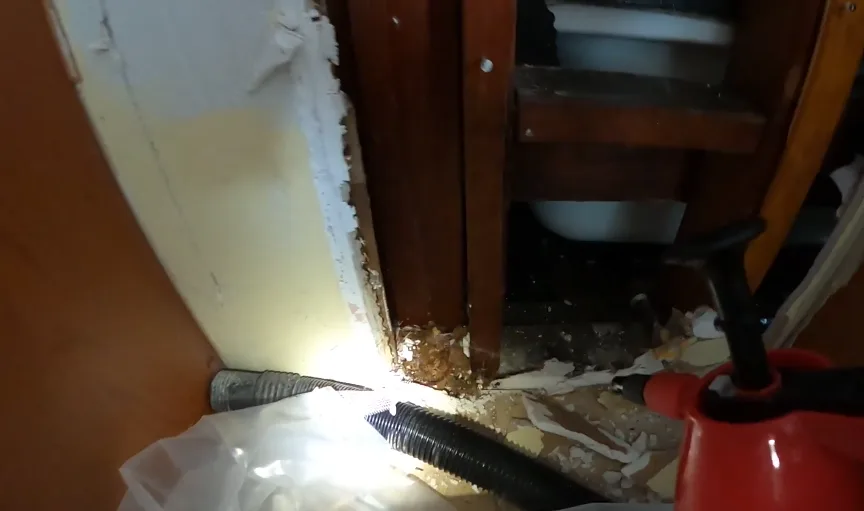
What They Actually Chew, and Why It Matters
Rodent incisors grow continuously and rodents gnaw constantly to keep them filed. That is not aggression or hunger, it is maintenance, and it means anything of roughly the right hardness in an attic gets chewed regardless of whether it is food.
Electrical wiring is the serious one. Chewed insulation exposes conductors, and a damaged wire in an attic is a fire risk that may not trip a breaker until there is already a problem. It is also the damage most likely to have consequences beyond the immediate repair, which we come to below.
Beyond wiring: PVC and PEX plumbing lines, which produce slow leaks in a space nobody visits; low voltage and data cabling; HVAC ductwork and flex duct, which puts attic air and contamination into your conditioned living space; and structural timber, though that is rarely severe enough to matter structurally on its own.
The pattern worth knowing is that the damage is invisible until somebody goes and looks. Nobody inspects their attic wiring routinely, and the insulation covering it hides most of it. Which is why so much rodent damage is discovered by an inspector rather than by an owner.
Had rats in the attic? Get the wiring checked before anything else.
The Insurance Angle
Why This Can Cost You Your Policy in Florida
- Rodent damage is generally excluded. Insurers classify infestation as gradual and preventable rather than sudden and accidental, and most standard Florida policies exclude it, with many excluding infestation, nesting and waste discharge by name.
- Secondary damage is the exception. If rodents chew wiring and that causes a fire, the fire damage may be covered while the removal and the chewed wiring itself are not.
- The 4 point inspection is where it surfaces. Most Florida insurers require one to bind or renew on an older home. It covers roof, electrical, plumbing and HVAC, and the electrical review includes the condition of visible wiring in accessible areas, which includes the attic.
- Chewed attic wiring found in a 4 point can jeopardise a renewal, in a state where coverage is already difficult and expensive to hold.
- Real estate transactions surface it too. WDO inspections and wind mitigation inspections both send somebody into the attic, usually under a contract deadline.
- Known unrepaired damage is worse than unknown damage. An insurer taking the view that you knew about gnawed wiring and left it is a materially weaker position than one where it had never been inspected.
None of this is insurance advice and coverage varies by carrier, so read your own policy. What is reliably true is that finding it yourself, on your own timeline, is better than an inspector finding it three days before closing.
The one moment to look
If insulation is being removed as part of attic restoration, that is the only time anyone gets an unobstructed view of the roof deck, the top plates and the wiring runs. Every job where material comes out turns up damage that was invisible with it in place. Ask for photographs while the deck is exposed, because you will not get that view again without paying to create it.
The Process

How Repair and Inspection Runs
- Rodents out first. Repair before removal and verification means repairing something that gets chewed again.
- Attic survey with insulation disturbed or removed. Wiring runs, plumbing lines, ductwork and the deck.
- Photographic documentation. Which is what you hand to an inspector, an insurer or a buyer.
- Electrical repair by a qualified electrician. Wiring repair is licensed electrical work and should be done by somebody licensed to do it.
- Duct and plumbing repair where affected.
- Exclusion completed. Because repaired wiring in an open attic is a temporary result.
A post removal electrical inspection is inexpensive relative to what it catches. It is the single most worthwhile add on after any established attic infestation.
Get the attic documented before an inspector does it for you.
Cost
What Repair and Inspection Costs
These are published national and Florida ranges. Electrical work is quoted by a licensed electrician and varies with the extent of the runs affected.
| Item | Typical range |
|---|---|
| Post removal electrical inspection | $100 to $200 |
| Repairing gnawed wiring | From $150, by extent |
| Duct or flex duct repair | Quoted on extent |
| Insulation removal and replacement | $1,000 to $3,000 |
| Full attic remediation | $1,500 to $5,000 |
Weigh the inspection cost against the alternative. Discovering chewed attic wiring during a 4 point inspection, three days before a renewal or a closing, is the expensive version of the same information.
Questions
Frequently Asked Questions
Why do rats chew wiring?
Their incisors grow continuously and they gnaw constantly to keep them filed. It is maintenance rather than feeding, which is why anything of roughly the right hardness in an attic gets chewed regardless of whether it is edible.
Is chewed wiring actually a fire risk?
Damaged wire insulation exposes conductors, and that is a genuine fire risk that may not trip a breaker until there is already a problem. It is the main reason a post removal electrical inspection is worth doing after any established attic infestation.
Will my insurance cover it?
Generally no for the rodent damage itself. Insurers treat infestation as gradual and preventable, and most standard Florida policies exclude it. Secondary damage is the exception: if chewed wiring causes a fire, the fire damage may be covered while the removal and the wiring are not. Coverage varies by carrier, so read your policy.
Can rodent damage fail my 4 point inspection?
It can. A Florida 4 point covers roof, electrical, plumbing and HVAC, and the electrical review includes visible wiring in accessible areas, which includes the attic. Chewed wiring found there can create a problem with binding or renewing a policy.
When is the best time to check?
While insulation is being removed during attic restoration, because that is the only time anyone gets an unobstructed view of the deck, top plates and wiring runs. Ask for photographs while it is exposed.
Who does the electrical repair?
A licensed electrician. Wiring repair is licensed electrical work and is quoted separately from the rodent work rather than bundled into it.
Are the operators you refer licensed?
Yes. Florida regulates pest control under Chapter 482, Florida Statutes, administered by FDACS, and rodent work falls under General Household Pest and Rodent Control. Wildlife species are additionally regulated by the Florida Fish and Wildlife Conservation Commission. Your assigned operator provides their licence number on your written estimate and you can verify it through the FDACS licensee search at fdacs.gov.
Do you use poison?
Not as a default. A poisoned animal does not go outside to die, it dies inside your wall, which turns one job into an odour job. And rodenticide creates secondary poisoning risk for Florida owls, hawks and other raptors, as well as for pets.
Related services: Attic Restoration, Insulation Removal and Replacement, Rodent Exclusion, Rodent Inspection.
Coverage
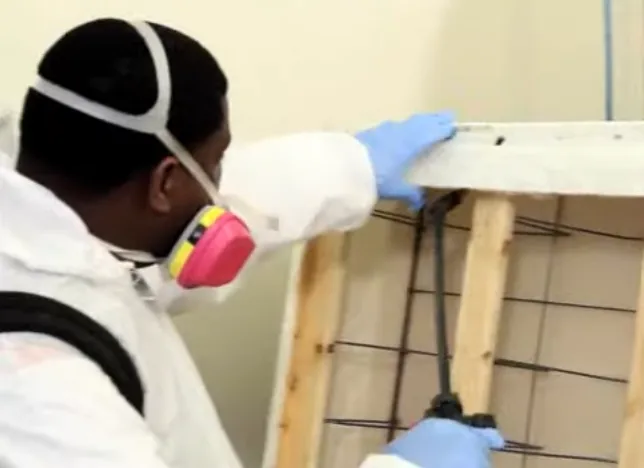
Rodent Damage Repair and Wiring Inspection Across Nine Florida Regions
Rodent Damage Repair and Wiring Inspection is available through the FDACS-licensed operators we refer across 178 Florida communities. The conditions differ by region, so pick yours below and the page will tell you what actually drives rodent problems there and every community we cover inside it.
Not sure which region you are in? Call with your ZIP and we will confirm coverage before anything is scheduled, or see the full Florida service area map.
Read Next
Guides Worth Reading Before You Book
Background reading that will help you judge a quote, understand what the work involves, and know what to expect before anyone comes out.
Get the attic documented on your timeline, not an inspector’s.