

Greater Orlando | Horizon West · Lake Nona · St. Cloud
New Build, New Rats: Horizon West, Lake Nona and the St. Cloud Growth Edge
Your house is four years old and something is running across the ceiling. It is not bad luck and it is probably not your maintenance. On an active construction corridor there are two mechanisms, and one of them may be somebody else’s responsibility.

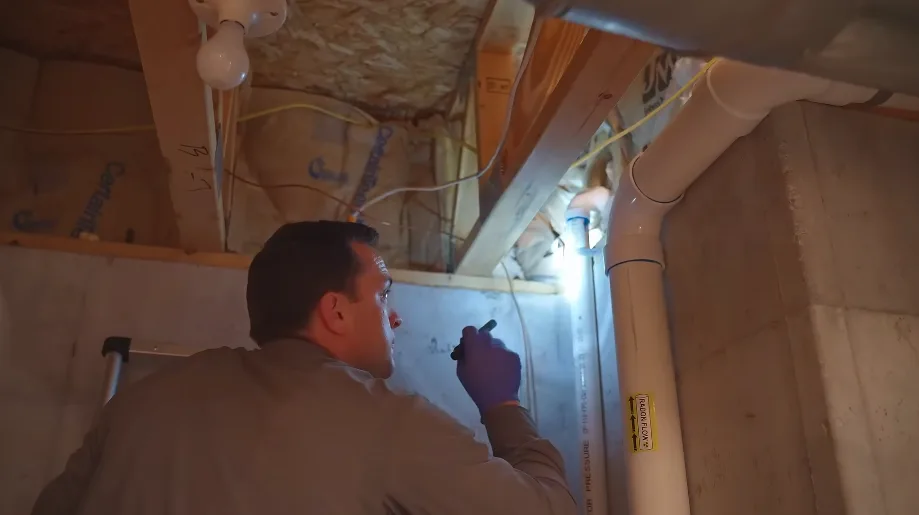
Why does a new Horizon West or Lake Nona house have rats?
Two reasons that arrive together. New builds are not sealed builds: soffit fitted to a settling structure opens gaps within a year or two, mechanical penetrations get foam sealed by whichever trade made the hole, and temporary construction openings frequently never get closed. And clearing is continuous on these corridors, so every new phase breaking ground displaces the resident population into the nearest finished streets within days.
Mechanism One
New Does Not Mean Sealed
This is counterintuitive enough that people assume they are being told something wrong. A three or four year old house in Horizon West, Hamlin, Laureate Park or the St. Cloud growth edge can carry more entry points than a forty year old house in Winter Park.
It is not about build quality. It is about sequence.
- Settlement. Soffit sits in a channel at the wall and a channel at the fascia. Fitted to a frame that has not finished settling, a panel that seated perfectly at handover has a gap eighteen months later.
- Penetrations. The AC line set, condensate line, plumbing stubs, dryer vent and service entry are each made by a different trade and sealed by whoever made the hole with whatever was on the truck. That is almost always expanding foam, which rodents remove within days.
- Temporary openings. Access holes and service penetrations made during construction are somebody’s last task on a job that has already moved on. A proportion never get closed.
- Repeating plans. Because these villages are built to a limited set of designs, the same gap recurs across a run of houses. If your neighbour on the same plan has it, you have it.
Mechanism Two
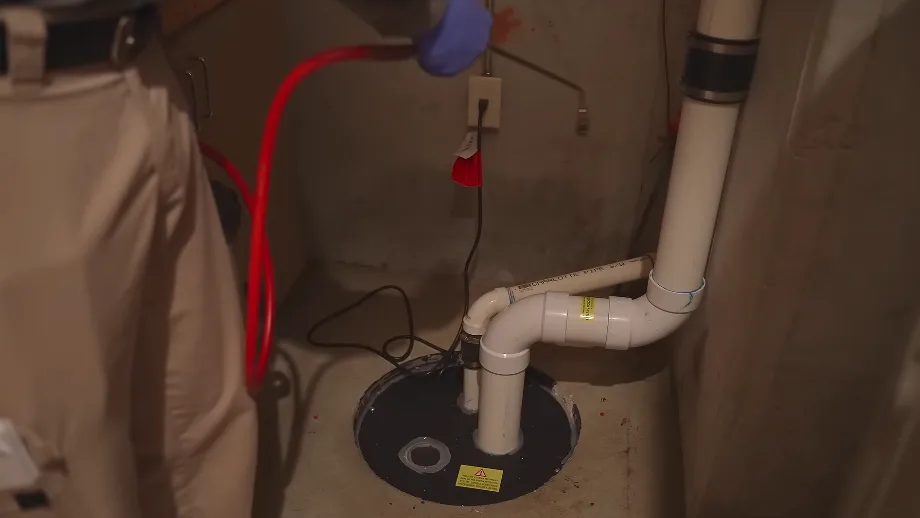
The Phase Breaking Ground Next Door
This is the one nobody warns buyers about, and on these corridors it is relentless.
Every new village, phase or commercial parcel that goes under displaces whatever was living on that land within days. Those animals do not disperse politely into the countryside. They move to the nearest shelter, which is the finished street next door.
Horizon West alone has been under continuous construction for roughly two decades, and Lake Nona and the St. Cloud edge are among the most actively developing areas in the country. On a development this size, most addresses have another phase coming within earshot sooner or later.
The practical consequence: if ground is breaking near you, that is the moment to seal. Not after you start hearing something. The houses that stay quiet through a clearing are the ones that were already closed.
Who Pays
Some of This Is Arguably Builder Warranty
Worth raising, and most homeowners never do.
Incomplete penetration sealing and unclosed temporary construction openings are arguably construction defects rather than homeowner maintenance. Whether your warranty covers them depends on your contract and how long ago closing was, but you cannot have that conversation without evidence.
So the order matters. Get a photographed survey with an entry point count first, then decide who should be paying. That turns “I think something was missed” into a documented claim. Even if the warranty has expired, you still end up knowing exactly what needs closing.
The Neighbours
Same Plan, Same Gap
Because these communities repeat a limited set of house designs, an infestation is rarely one address. When one plan type has a characteristic gap at the soffit return, every house of that plan in the neighbourhood has it.
That cuts two ways. It means the problem spreads along runs of identical houses, and it means inspection is much faster once a company knows the plan. Where several neighbours on the same design coordinate, results hold better and the survey is quicker per property.
House under ten years old? Get it photographed before you decide who pays.
Questions
Frequently Asked Questions
My house is only a few years old. How did rats get in?
New builds are not sealed builds. Soffit fitted to a settling structure opens gaps, mechanical penetrations were foam sealed by whichever trade made the hole, and temporary construction openings often never got properly closed.
Could this be a builder warranty issue?
Possibly, particularly incomplete penetration sealing and temporary openings never closed. Those are arguably construction defects rather than maintenance. Get a photographed survey before you pay to fix anything.
They are starting a new phase near me. Should I act?
Yes, seal before it starts rather than after. Clearing displaces the resident population within days, and the houses that stay quiet through it are the ones already closed.
Why does my whole street seem to have it?
These villages are built to repeating plans, so the same opening exists across a run of houses. If your neighbour on the same design has it, you very likely have the same gap.
Is a new build cheaper to seal than an old house?
Usually yes. Newer construction typically has three to five entry points at roughly $500 to $800 in sealing, where an older property with complex geometry can carry fifteen to twenty five and run $1,500 to $3,000.
Areas Covered in This Post
Where This Applies
- Rodent Control Horizon West
- Rodent Control St. Cloud
- Rodent Control Winter Garden
- New Construction Rodent Proofing
- What to Ask Any Company
More from the Greater Orlando blog, or see the Greater Orlando service area page.