

Palm Beach County | Boca Raton · Delray Beach · Jupiter
You Opened the House and Smelled It: Seasonal Homes in Boca, Delray and Jupiter
Six months closed is long enough for a colony to establish, breed and saturate insulation with nobody there to hear it. The difference between a trapping job and a full attic restoration is usually just when somebody looked.

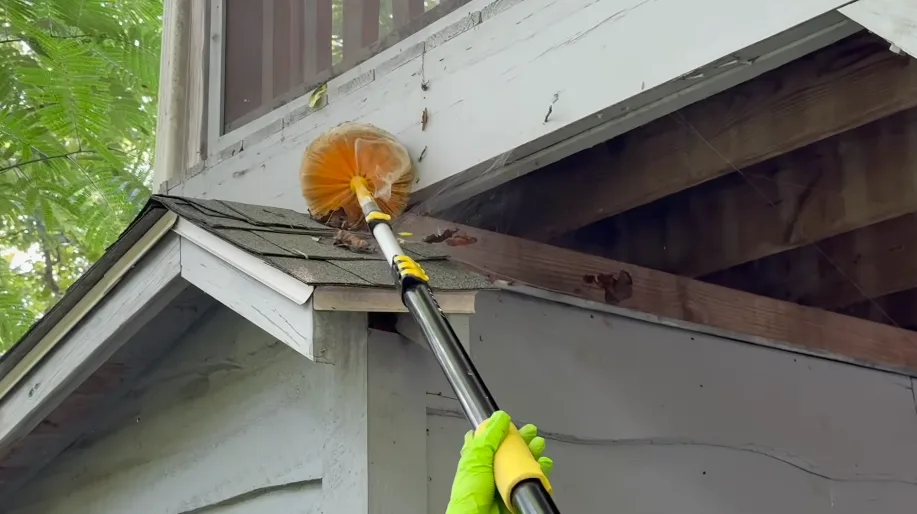
Why do seasonal Palm Beach homes come back to a rodent infestation?
Because there is no cold break in South Florida, so roof rats breed across all twelve months rather than pausing over summer, and a house closed from May to November gives a colony six undisturbed months. Nobody is there at night to hear the first scratching, so the problem is discovered at the smell stage rather than the noise stage. By then contaminated insulation and nesting are usually established, which turns a $400 to $1,200 job into a $1,500 to $5,000 one.
The Timing Problem
Your Empty Months Are Their Best Months
Across Boca Raton, Boca West, Delray Beach, Jupiter and Abacoa, a very large share of property stands empty from roughly May through November. That window is not neutral. It is the worst possible one to leave a house unmonitored in this part of Florida.
- There is no cold break. Palm Beach County sits in a zone where roof rats breed year round. Nothing pauses over your summer.
- Hurricane season runs June through November. Falling pressure drives animals to shelter before a storm, and flooding displaces ground populations toward dry structures afterwards.
- Storm damage stays open. A lifted tile, a displaced soffit panel or a torn vent screen is not visible from the ground and nobody is there to notice.
- Fruit season starts in September. Mango, avocado and ornamental citrus ripen while you are away, drawing colonies toward structures at exactly the point they are largest after summer breeding.
The Cost
What the Delay Actually Costs
This is the number worth internalising, because nothing about the rodents changes, only the invoice.
- Caught in week two: trapping and exclusion, roughly $400 to $1,200.
- Caught after six months: full attic remediation, roughly $1,500 to $5,000, because insulation is saturated, nesting is established and odour has to be treated.
The gap is not a markup. It is genuinely more work: contaminated insulation removal, HEPA vacuuming, enzymatic treatment, antimicrobial application, deodorising for the pheromone trail, then re-insulation.
The Fix
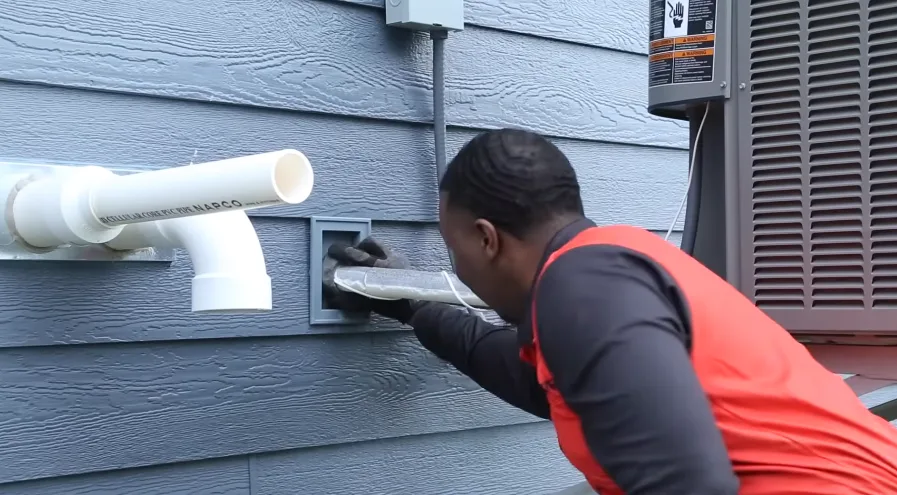
Inspect Before You Arrive, Not After
The single highest value thing a seasonal owner can do is book the inspection four to eight weeks before returning, while the house is still closed.
That does three things. It catches an establishing colony at the trapping stage. It means any remediation is finished before you arrive rather than happening around you. And it gives you a photographed record of the roofline condition after a storm season, which is useful whether or not anything is wrong.
Access is arranged with your property manager, the community, a neighbour or a lockbox. The report and written quote come by email, and you can approve work from wherever you are.
Verification
Ask for the Photographs, Not the All-Clear
If you are approving work remotely, this matters more than usual.
Ask for the photo file, specifically images of the eave line and any openings found. Photographs of the roofline are the only way to verify from another state that somebody actually got on a ladder rather than walking the perimeter and reporting back. A verbal all-clear is not evidence.
The same applies to attic work. Before and after images of the insulation, and a written entry point count, are what you should be paying for alongside the labour.
Associations
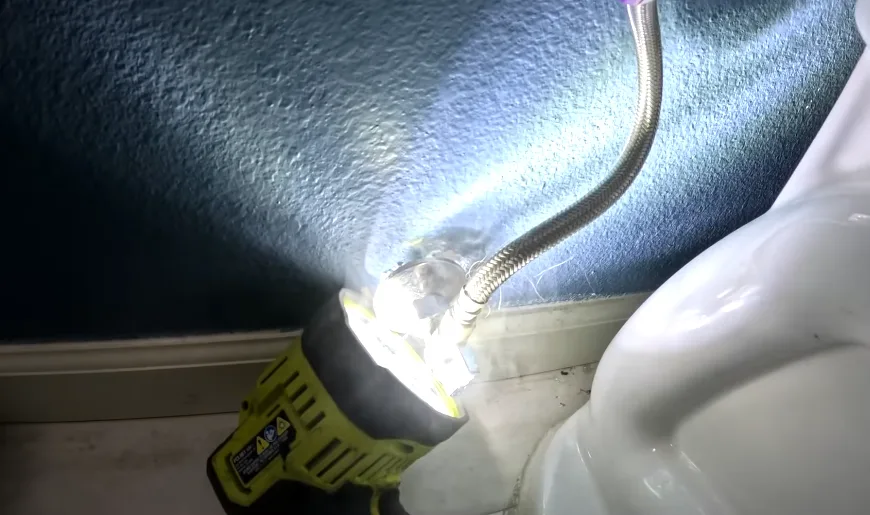
And in Boca West or a Condo, Check Who Owns the Roof
A large share of seasonal property here is attached or association governed. In that construction the attic is frequently a shared void and the roof and exterior envelope are usually common elements maintained by the association.
Before you commission structural sealing personally, read your declaration. Owners routinely pay for exclusion on common elements and get a temporary result, because the scope could never have covered the whole building.
Coming back this season? Book the inspection before you fly, not after.
Questions
Frequently Asked Questions
When should I book the inspection?
Four to eight weeks before you return, while the house is still closed. That catches an establishing colony as a trapping job rather than a restoration, and any work is finished before you arrive rather than happening around you.
We are out of state. How does that work?
Access is arranged with your property manager, the community, a neighbour or a lockbox. Everything is documented with photographs and the report and quote come by email, so you can approve from wherever you are.
How do I verify work was actually done properly?
Ask for the photo file, specifically images of the eave line and the openings found, plus a written entry point count. Roofline photographs are the only way to confirm remotely that somebody got on a ladder.
Why does it get so much more expensive after six months?
Because the job changes. Two weeks in it is trapping and sealing at roughly $400 to $1,200. Six months in, insulation is saturated and nesting established, so it becomes full remediation at roughly $1,500 to $5,000.
I am in a condo or country club community. Who pays?
Frequently the association for the roof and exterior envelope, which are usually common elements. Read your declaration before commissioning structural sealing personally.
Areas Covered in This Post
Where This Applies
- Rodent Control Boca Raton
- Rodent Control Delray Beach
- Rodent Control Jupiter
- Seasonal Home Rodent Inspection
- Attic Restoration
More from the Palm Beach County blog, or see the Palm Beach County service area page.