

Southwest Florida | Lehigh Acres · Golden Gate Estates · Immokalee
Your Neighbour’s Empty Lot Is Your Rat Problem: Lehigh Acres and Golden Gate Estates
Both were platted at enormous scale and never fully built. If you live on a street where occupied houses alternate with undeveloped scrub, the outdoor population next door is permanent and it is not yours to clear.

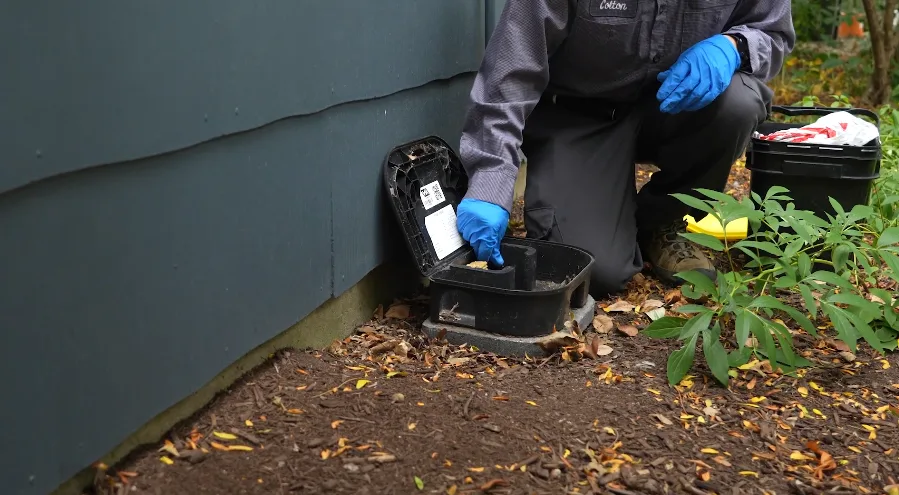
Why do Lehigh Acres and Golden Gate Estates homes get rats when the yard is tidy?
Because the vacant platted lots between occupied houses are unmanaged scrub that nobody mows, and they sit directly against your boundary. That is permanent harborage roughly the size of a building plot, refreshed every wet season, with no owner obligated to clear it. Your own yard maintenance does not reduce it. The only variable you actually control is your building envelope, which is why exclusion matters more here than clearance.
The Pattern
Platted Big, Built Partially
Lehigh Acres and Golden Gate Estates were laid out at a scale that anticipated a population that never fully arrived. The result is a grid of streets where occupied homes are interleaved with lots that were surveyed, given an address, and then left.
Those lots are not parks and nobody maintains them for appearance. They grow scrub, palmetto, Brazilian pepper and whatever else takes hold, they are refreshed by every wet season, and they sit directly against your fence line. Functionally you are living next to permanent unmanaged habitat roughly the size of a building plot, and there is no owner with any obligation to clear it.
Why Clearance Fails
The Advice That Does Not Work Here
Standard rodent advice starts with reducing harborage: trim the shrubs, clear the woodpile, cut back from the roofline. All of that is sound and you should do it. On these streets it is also insufficient, because the harborage that matters is on land you do not own.
This is worth being blunt about because homeowners here frequently spend money in the wrong order. A company that quotes you a quarterly exterior treatment is selling you a recurring charge against a population that is continuously resupplied from the lot next door. It is endless by design.
The building envelope is the only variable you actually control, and it is the one that ends the problem rather than managing it.
What That Changes
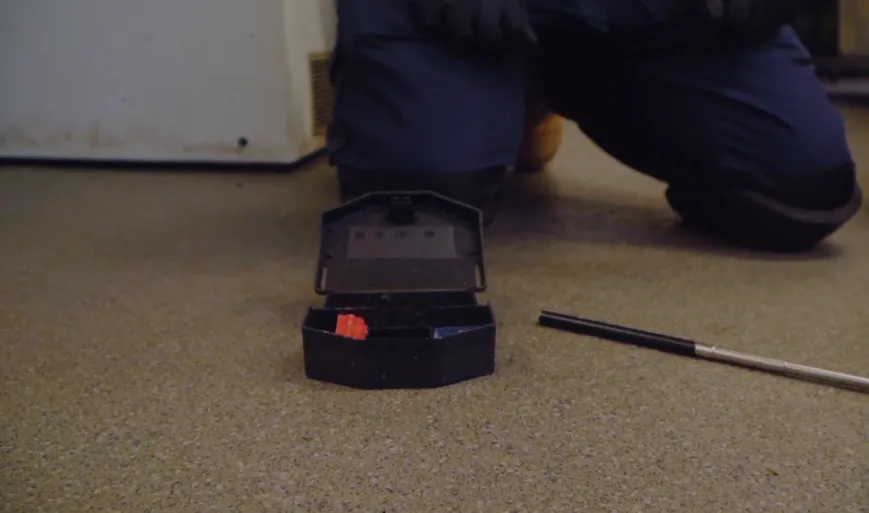
What to Ask For Instead
- Metal sealing, with a warranty and a term. Where the outdoor pressure never drops, a foam and caulk job is reopened within weeks. Ask what the material is and what warranty covers the seal.
- Ground level in scope, not just the roofline. Scrub adjacency means pressure arrives at grade as well as overhead. Stem wall, weep holes, thresholds and utility penetrations all matter.
- The garage door corner seal checked. The classic Florida ground level entry and the cheapest to close. From the garage, the wall into the living space is rarely sealed to the standard the exterior is.
- A written entry point count and photographs. This is how you compare quotes honestly, and how you know whether somebody surveyed the building or just looked at it.
Timing
The Two Moments That Matter
When a lot next to you is cleared for building
This is the single most predictable trigger on these streets and almost nobody acts on it. Clearing a lot displaces whatever was living on it within days, and those animals move to the nearest shelter, which is the finished house next door. If a lot near you goes under, that is the moment to have the envelope closed, not after you start hearing something.
After heavy rain
Flooded ground harborage pushes populations toward dry structures all at once rather than gradually. If activity starts within a week or two of a heavy rain event rather than building slowly through autumn, that is why.
Golden Gate Specifically
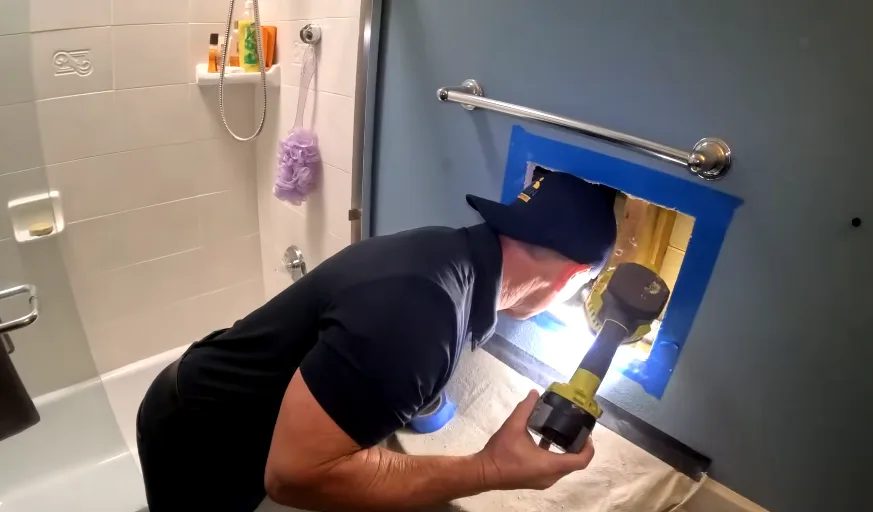
One Difference Between the Two
Golden Gate Estates runs to larger parcels, and a meaningful share have outbuildings: sheds, workshops, equipment stores, sometimes stabling. Where feed, grain or bedding is present, those buildings sustain a population year round and the house becomes the second stop rather than the source.
If you have any of that, say so when you call. Sealing the house alone on an Estates parcel is the most common reason work does not hold, and a competent quote asks about feed storage before it prices anything.
Backing onto scrub? The envelope is the only thing you control. Free inspection.
Questions
Frequently Asked Questions
Can I get the vacant lot next door cleared?
Generally not by request. Code enforcement in some jurisdictions will act on overgrowth above a stated height on a platted lot, so it is worth a call to the county, but the underlying scrub is not going to be permanently maintained. Plan on the pressure being permanent.
Why does a quarterly exterior treatment not fix it?
Because the population is continuously resupplied from land you do not own. Every animal removed is replaced by another arriving through the same opening. Recurring treatment against a permanent outdoor source is endless by design.
They are clearing a lot near me. Should I do anything?
Yes, seal before it finishes rather than after. Clearing displaces the resident population within days and the houses that stay quiet through it are the ones already closed.
I have a shed or workshop on my Estates parcel. Does that matter?
Frequently it is the whole job. Where feed or stored material is present, outbuildings sustain populations year round and the house is the second stop. They need to be in scope or the work does not hold.
Is this a roof rat or a Norway rat problem?
Usually roof rats overhead, but scrub and ground cover adjacency makes Norway rats realistic too. Overhead noise at night is roof rats and the work happens on the roofline. Burrows near a foundation or fence line is Norway rat and the work happens at grade.
Areas Covered in This Post
Where This Applies
- Rodent Control Lehigh Acres
- Rodent Control Naples — covering Golden Gate
- Rodent Control Immokalee
- Rodent Exclusion
- Garage & Lanai Proofing
More from the Southwest Florida blog, or see the Southwest Florida service area page.