

Southwest Florida | Fort Myers Beach · Sanibel · Captiva
Rebuilt After Ian and Now You Have Rats: Fort Myers Beach, Sanibel and Captiva
New construction is not sealed construction. If your home was rebuilt or substantially repaired after September 2022, there is a specific list of openings that routinely get missed, and some of them are arguably the builder’s problem rather than yours.

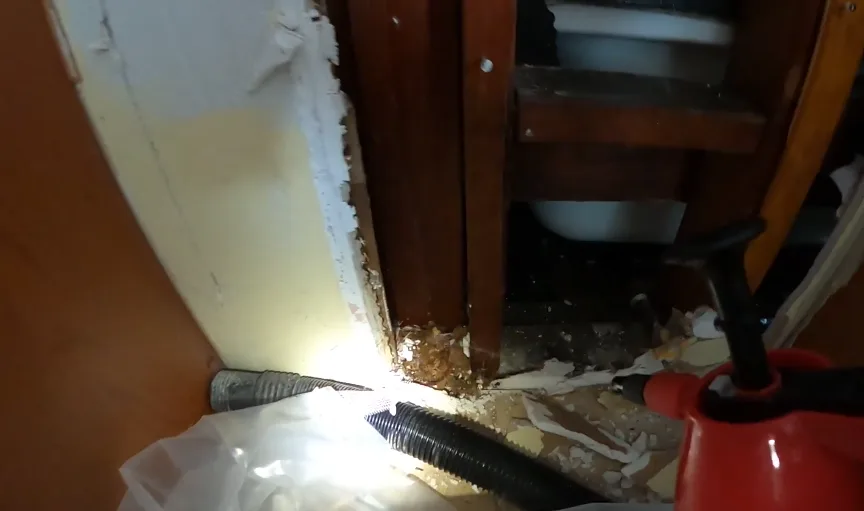
Why does a newly rebuilt Fort Myers Beach or Sanibel home have rats?
Because rebuilt structures settle, and soffit fitted to a settling frame opens gaps within a year or two. Mechanical penetrations get foam sealed by whichever trade made the hole, on a schedule under pressure. Temporary construction openings are somebody’s last job and a proportion never get closed. And elevated reconstruction to current flood requirements adds an underside that standard surveys skip entirely. A three year old rebuild can carry more entry points than a forty year old house.
The Situation
Almost Everything Standing Here Is New or Repaired
Hurricane Ian made landfall as a Category 4 on 28 September 2022 and reshaped the built environment across Lee County. Much of what stands today on Estero Island, Sanibel and Captiva is rebuilt, substantially repaired, or newly elevated to current flood requirements.
That produces a rodent situation most homeowners do not expect, because the instinct is that a new house should be tighter than an old one. In practice the opposite is frequently true, and it is not because anyone did shoddy work. It is structural.
The List
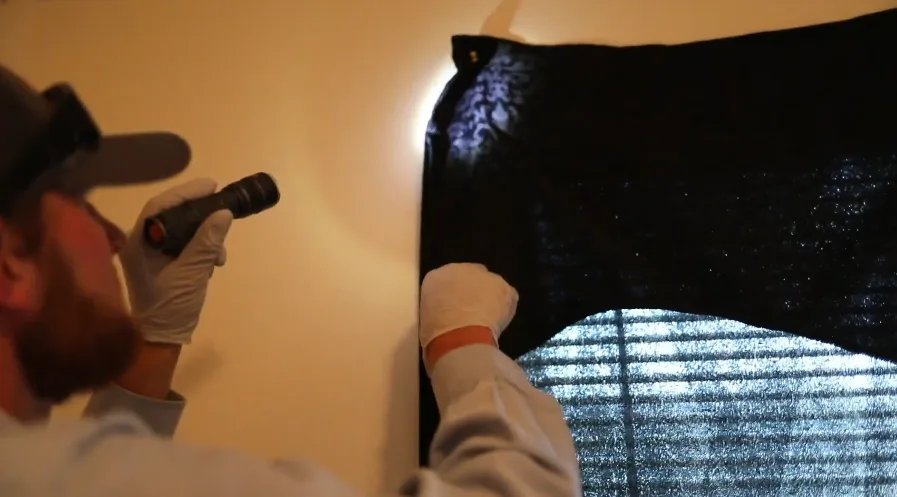
Five Openings That Routinely Get Missed on a Rebuild
1. Soffit fitted to a structure that is still settling
Soffit panels sit in a channel at the wall and a channel at the fascia. Fitted to a frame that has not finished settling, a panel that seated perfectly at handover has a gap eighteen months later. On a run of houses built by the same crew in the same window, the same gap appears across all of them.
2. Foam sealed mechanical penetrations
The AC line set, condensate line, plumbing stub outs, dryer vent and electrical service entry are each made by a different trade, and each is sealed by whoever made the hole with whatever was on the truck. That is almost always expanding foam. Rodents remove foam within days. Nobody coordinates a final envelope check because it is not anybody’s scope.
3. Temporary construction openings never closed
Access holes, temporary service penetrations and scaffold tie points are somebody’s last task on a job that has already moved on. A proportion simply do not get closed.
4. The new elevated underside
This is the one specific to post Ian rebuilding. Homes lifted to current flood requirements now have a dry, sheltered, temperature stable space directly under the floor that did not exist before. It works as harborage in its own right and as a staging area to reach utility penetrations and the floor assembly from below. Most Florida exclusion assumes slab on grade and skips it entirely.
5. New tile runs with open ends
A new roof has the same open eave, hip and ridge voids as an old one. Whether the closures were fitted along the full length is a question worth asking, because on a fast rebuild schedule it is a detail that gets rushed.
Who Pays
Some of This Is Arguably Builder Warranty
This is the part most homeowners never raise, and it is worth raising.
Incomplete penetration sealing and unclosed temporary construction openings are arguably construction defects rather than homeowner maintenance. They are not wear and tear and they are not something you caused. Whether your warranty covers them depends on your contract and how long ago the work completed, but you cannot have that conversation without evidence.
So the sequence matters: get a photographed survey first, then decide who should be paying. A survey that produces an entry point count and a photo file turns “I think they missed something” into a documented claim. Even where the warranty has expired or the builder is unresponsive, you still end up knowing exactly what needs closing rather than guessing.
Salt
And on the Islands, Ask About the Mesh
Sanibel, Captiva and Estero Island get salt from two directions. Standard galvanised mesh has raw cut edges wherever it has been trimmed to fit, and those edges corrode considerably faster here than an inland installer expects. A seal fitted to mainland practice can begin failing within a few years while looking entirely sound from the ground.
Ask specifically: will the cut edges be sealed, or are you using stainless or copper? It is a modest premium and on a barrier island it is the difference between work that lasts and work you pay for twice.
Rebuilt property? Get it photographed before you decide who should pay.
Questions
Frequently Asked Questions
My house is only two or three years old. How did rats get in?
New builds are not sealed builds. Soffit fitted to a settling structure opens gaps, mechanical penetrations were foam sealed by whichever trade made the hole, and temporary construction openings often never got closed. Age is not the variable, detailing is.
Could this be a builder warranty claim?
Possibly, particularly incomplete penetration sealing and temporary openings that were never closed. Those are arguably construction defects rather than maintenance. Get a photographed survey before you pay to fix anything, so you have evidence either way.
My home was elevated after Ian. Does that change the work?
Substantially. The space underneath is dry, sheltered and almost never inspected, and it works as harborage and as a route to utility penetrations and the floor assembly from below. Ask specifically whether the underside is in scope, because most Florida surveys assume slab on grade.
What mesh should be used on Sanibel or Captiva?
Ask whether cut edges will be sealed, or specify stainless or copper. Raw galvanised cut edges corrode fast in salt air, and the work can begin failing within a few years while still looking sound.
Is it worth sealing before the next storm season?
Yes. Storm damaged rooflines stay open for years because nobody goes up to look, and flooding afterwards displaces whole ground populations toward dry structures at once. Sealing in late summer closes the envelope before that happens.
Areas Covered in This Post
Where This Applies
- Rodent Control Fort Myers Beach
- Rodent Control Sanibel
- Rodent Control Captiva
- New Construction Rodent Proofing
- Crawl Space & Underside Proofing
More from the Southwest Florida blog, or see the Southwest Florida service area page.