

Southwest Florida | Bonita Springs · Estero · Bonita Bay
Rats on the Lanai in Bonita Springs and Estero: The Screen Is Not a Barrier
A pool cage feels like part of the house. To a rodent it is a covered, sheltered corridor running the full width of your rear elevation, with the header tying straight into your soffit line.

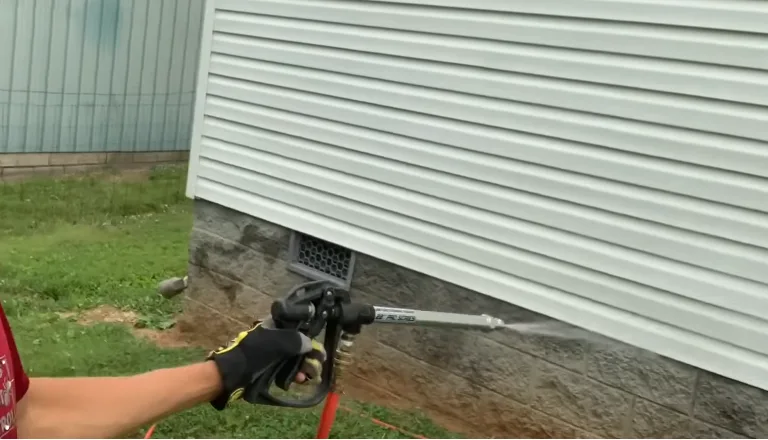
How are rats getting onto my screened lanai in Bonita Springs or Estero?
Screen enclosures are not sealed envelopes. The header where the cage ties into the house almost always leaves a gap directly under the soffit line, the spline lifts at the base where the frame meets the deck, door thresholds rarely seal to the ground, and the pool equipment pad creates sheltered harborage right against your wall. Once an animal is inside the cage it is working on your rear elevation in shelter, out of the rain and out of sight.
The Misunderstanding
What a Pool Cage Actually Is
Screen enclosures are everywhere across Bonita Springs, Estero, Bonita Bay, Pelican Landing and the communities around Coconut Point, and they change the rodent picture more than most homeowners realise.
A cage is built to keep insects out and to hold up under wind load. It is not built as a rodent barrier and it was never intended to be one. What it does provide is cover: a roofed, sheltered space running the full width of your rear elevation, dry in the afternoon storms, shaded, and largely unobserved after dark.
That matters because it means an animal working on your back wall is doing so in comfort and out of sight, rather than exposed in an open yard.
The Openings
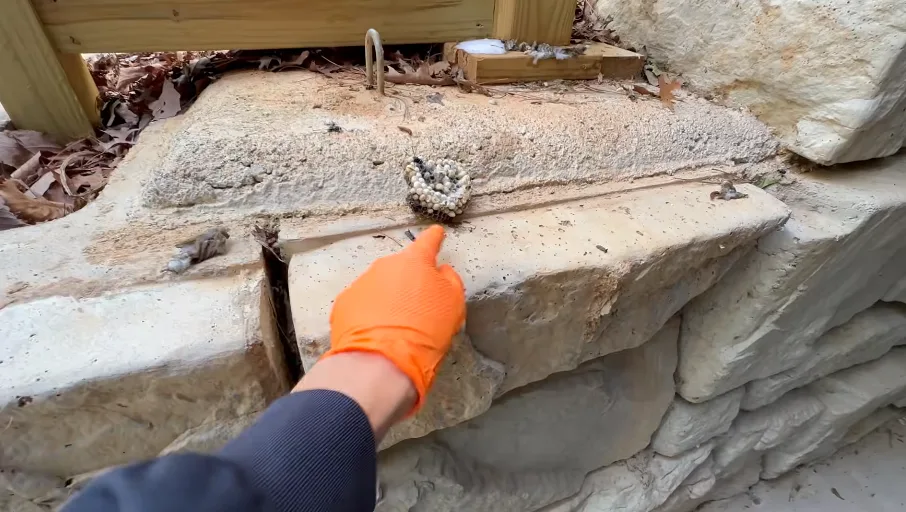
Four Places a Cage Lets Them In
1. The header where the cage meets the house
This is the important one. The cage frame ties into the wall or fascia at the top, and that junction almost always leaves a gap, frequently running directly under the soffit line. It is watertight enough and it is structurally sound, but it is not rodent tight, and it delivers an animal to precisely the elevation where soffit separation occurs.
2. Lifted spline at the base
Where the frame meets the deck, the screen is held in a channel by a rubber spline. Over years of heat cycling that spline lifts, particularly at corners. Rodents do not need to chew it, they push past it.
3. Door thresholds
Cage doors are hung to swing freely and drain, which means they rarely seal to the deck. The gap under a lanai door is routinely more than half an inch.
4. The pool equipment pad
Pump, filter and heater sit on a pad against the house, usually with a hedge or wall screening it from view. That is warm, sheltered, undisturbed harborage located directly at your wall, with conduit and plumbing penetrations going through that wall right beside it.
What To Do
The Order That Works
Do not start by re-screening. A new screen fitted over the same header gap and the same threshold changes nothing, and it is expensive.
- Close the header junction where the cage ties into the house, in metal, along its full length.
- Address the soffit line behind it, because that is the destination the header gap delivers to.
- Seal the penetrations at the equipment pad: conduit, plumbing, and any gap where they pass through the wall.
- Check the garage door corners while somebody is there. It is the other classic ground level entry and it is cheap to fix.
- Then consider spline and thresholds, which reduce use of the cage itself but are secondary to closing the wall.
One More Thing
The Fruit Trees
Established gardens in these communities frequently have mango, avocado or citrus, and from September through March that ripening fruit is the strongest food signal on the property. The diagnostic sign is fruit hollowed out while still hanging on the branch, and it usually appears weeks before anything is heard indoors.
That is your window. Sealing before the autumn shift is a materially smaller job than excluding an established population and restoring a contaminated attic afterwards.
Hearing something on the lanai at night? We will find how it is getting in.
Questions
Frequently Asked Questions
Do I need to replace my pool cage screen?
Usually not, and it is rarely the fix. New screen over the same header gap and the same door threshold changes nothing. Close the junction where the cage meets the house first.
Is the cage making my rodent problem worse?
It is not attracting them, but it does give shelter and cover for an animal working your rear elevation, and the header junction delivers them right to the soffit line. It changes where you look rather than whether you have a problem.
What about the pool equipment pad?
Frequently overlooked and worth checking. It is warm, sheltered and screened from view, with conduit and plumbing penetrations passing through the wall right beside it. Ask for those penetrations to be sealed in metal.
I see fruit hollowed out on the tree. What does that mean?
An active colony is within a short distance and assessing rooflines. In these communities it typically appears weeks before anything is audible in an attic, which makes it your window to seal rather than to evict.
Does an HOA or community association handle this?
In attached and coach home construction the building envelope is frequently association responsibility rather than yours, and sealing one unit relocates the population within a shared attic void. Establish who owns the roof before you commission anything.
Areas Covered in This Post
Where This Applies
- Rodent Control Bonita Springs
- Rodent Control Estero
- Garage & Lanai Rodent Proofing
- Soffit & Eave Sealing
- HOA & Condo Rodent Control
More from the Southwest Florida blog, or see the Southwest Florida service area page.