

Greater Orlando | Altamonte Springs · Casselberry · Longwood
Rats in a Casselberry or Altamonte Condo: Your Unit Is Not the Envelope
You sealed your unit, paid for it yourself, and six weeks later the noise came back two doors down. In shared attic construction that is exactly what should have happened, and you may have paid for work that was never yours to commission.

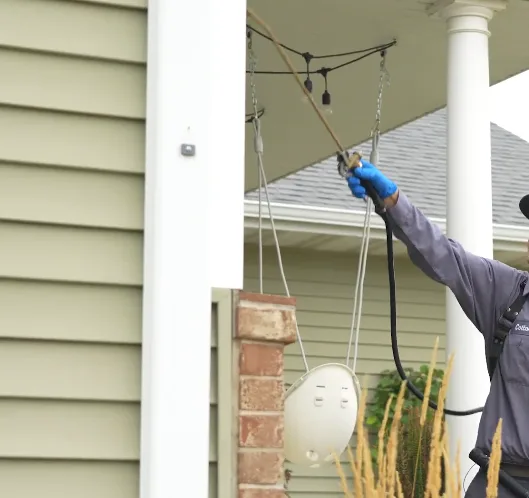
Who is responsible for rodent control in a Florida condo or attached villa?
Normally the association rather than the individual owner. In attached construction the attic is frequently one continuous void across multiple units, and the roof and exterior envelope are usually association-maintained common elements under the declaration. Sealing one unit relocates the population within the building rather than removing it. Read your declaration before you commission anything, because owners here routinely pay personally for work that is the association’s responsibility and get a temporary result anyway.
The Core Point
One Roof, One Void, Several Owners
Altamonte Springs, Casselberry, Fern Park, Longwood and much of the 17-92 corridor carry a large stock of attached housing: condominiums, coach homes, attached villas, duplexes and townhomes, much of it built from the 1970s onward.
In a lot of that construction the attic is not divided at the unit line. It is one continuous void running the length of the building over several homes, sometimes with only a partial firewall and frequently with service runs, plumbing stacks and ductwork passing between units.
A rodent inside that void does not recognise your ceiling as a boundary. It moves along the run, and when conditions change in one section it moves to another.
The Consequence
Why Sealing Your Unit Alone Fails
This is the pattern owners describe again and again, and it is not bad workmanship.
A company seals the openings on your section of the building. The trapping clears what was above your ceiling. Six weeks later the noise is above the neighbour’s living room instead, and eventually it is back above yours, because the openings on the rest of the building were never in scope.
The unit is not the envelope. The building is. Any scope that stops at your party wall is treating a symptom.
Who Pays
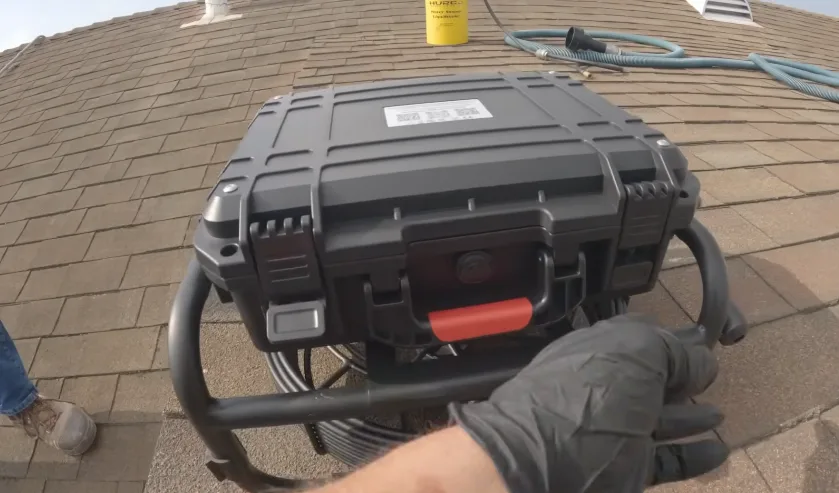
Read the Declaration Before You Spend
This is the part worth acting on before you sign anything.
In most Florida condominium and attached villa arrangements, the roof and exterior building envelope are common elements maintained by the association. Pest control inside your unit is typically yours. Structural sealing of a shared roofline typically is not.
That distinction is worth real money. Owners in these communities routinely pay personally for exclusion work on common elements, and get a temporary result because the scope could never have been building-wide.
- Read your declaration and the association’s maintenance responsibility schedule. Look specifically for roof, soffit, fascia and exterior wall.
- Report it in writing to the association or management company, with dates and what you have heard. A paper trail matters if this becomes a dispute.
- Ask for a building level survey, not a unit level one. The entry point count should cover the whole structure.
- Ask neighbours whether they are hearing it too. Multiple reports move an association considerably faster than one.
- Get a photographed survey either way. Even if you end up paying, evidence is what turns a request into a decision.
The Stock
What This Era of Building Actually Fails At
Much of the attached stock through Altamonte and Casselberry dates from a concentrated build period, which means it reaches the end of its detailing life together.
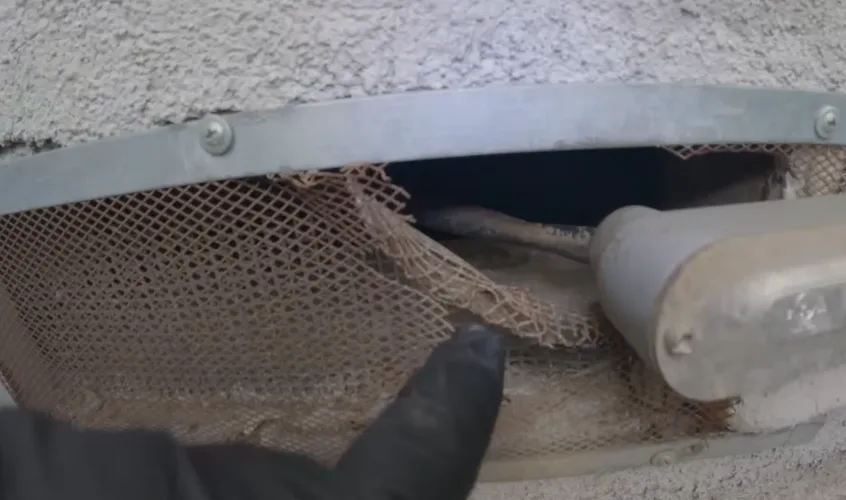
Original aluminium soffit is held in a channel at the wall and a channel at the fascia, and both move with thermal cycling. Decades of Florida summers work panels out of the fascia channel, frequently along an entire elevation rather than at one point. On a building of eight units, that is a continuous opening served by one shared attic.
Vent screening from the same era has generally degraded to nothing. Gable louvres in particular are often unscreened or screened with material long gone, and they are large enough for substantial nesting.
Renters
If You Rent, This Is Not Your Bill
Under a standard Florida residential lease the landlord is responsible for maintaining the structure in a habitable condition, which includes the roof and exterior envelope. Structural rodent exclusion on a shared building is not tenant maintenance.
Report it in writing, keep a copy, and do not commission structural work yourself.
In an attached building? We will tell you what is worth commissioning yourself.
Questions
Frequently Asked Questions
I sealed my unit and the rats came back. Why?
Because in shared attic construction the population relocates within the building rather than leaving. Sealing one unit closes one section of a continuous void. The scope has to be building level or the animals simply move along the run.
Is my association responsible for this?
Frequently yes for the roof and exterior envelope, which are usually common elements under the declaration. Pest control inside your unit is typically yours. Read the maintenance responsibility schedule before you commission structural sealing.
How do I get the association to act?
Report in writing with dates, ask neighbours whether they are hearing it too, and request a building level survey rather than a unit level one. Multiple documented reports move a board considerably faster than a single verbal complaint.
I rent my condo. Do I have to pay?
Structural exclusion on a shared building is not normally tenant maintenance. Under a standard Florida lease the landlord maintains the structure. Report it in writing and keep a copy.
What if the association refuses?
Get a photographed survey anyway so you know the scope and have evidence. Then you can make an informed decision about what is worth doing to your own section while continuing to press the point in writing.
Areas Covered in This Post
Where This Applies
- Rodent Control Altamonte Springs
- Rodent Control Casselberry
- Rodent Control Longwood
- HOA & Condo Rodent Control
- Soffit & Eave Sealing
More from the Greater Orlando blog, or see the Greater Orlando service area page.