

Palm Beach County | Belle Glade · Pahokee · South Bay
When the Cane Comes Down: Belle Glade, Pahokee and South Bay
This is not a gradual seasonal drift. Standing cane holds enormous populations across square miles, and harvest or burning moves them toward the nearest structures over days.

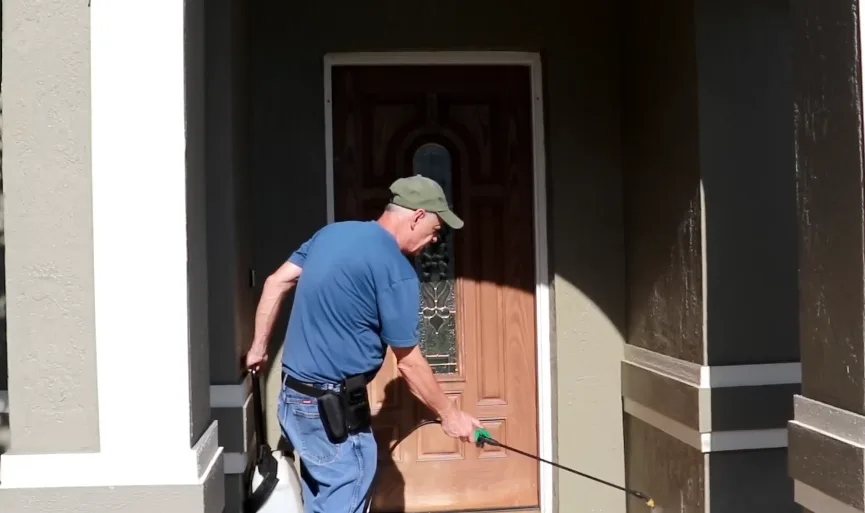
Why do rats appear suddenly in Belle Glade and Pahokee during harvest?
Because standing sugarcane provides dense permanent cover across acreage measured in square miles, and it supports very large rodent populations through the growing season. When a block is harvested or burned, that population is displaced at once toward whatever structures are nearest. It arrives as a wave over days rather than building gradually through autumn, which is why residents on the field edge describe it starting almost overnight.
The Scale
This Is Displacement at a Scale Nowhere Else Has
The Everglades Agricultural Area around Belle Glade, Pahokee, South Bay and Canal Point is sugarcane country, and the rodent consequence of that is different in kind, not just degree, from anywhere else in Florida.
Standing cane is dense, tall, permanent cover across acreage measured in square miles. It shelters very large populations through the growing season with almost no disturbance. Then, over a matter of days, a block is harvested or burned and that cover disappears entirely.
The animals do not disperse gradually. They move at once toward the nearest structures, which is why field edge residents describe activity that started almost overnight rather than creeping in through the autumn.
The Timing
Roughly October Through April
Harvest season is the dominant driver here, more than temperature and more than anything the coastal side of the county experiences. It runs broadly from October into April.
The practical implication is straightforward and it is the whole point of this post: if cane near you is coming down, that is the moment to have the envelope closed. Not when you start hearing something.
The houses that stay quiet through a harvest are the ones that were already sealed. Preventing entry costs a fraction of excluding an established population and restoring a contaminated attic afterwards, and on this timeline you get genuine advance warning that most places never do.
The Species
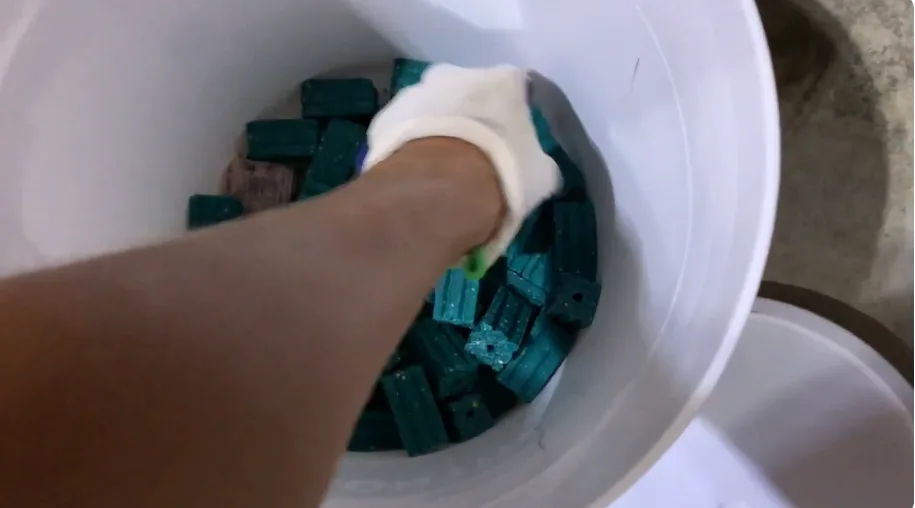
And It Is Frequently Not a Roof Rat
This is where a coastal Palm Beach quote goes wrong. East of the Turnpike the work is roofline: tile closures, soffit runs, attic access. In the Glades you may have both species and frequently the ground level one matters more.
- Overhead noise at night, in the ceiling, running the same route: roof rats. The work happens on the roofline.
- Burrows near a foundation, a canal bank, the rim or a packing facility: Norway rat. The work happens at grade, with heavier sealing at the stem wall, weep holes and thresholds, and different trap sizing.
Packing houses, cold storage and bulk handling sustain Norway rat conditions year round independent of harvest, and the Lake Okeechobee rim, the dike and the canal banks are permanent linear burrowing habitat that nobody is going to clear.
Commercial
If You Run a Packing or Processing Facility
This is not the same service and it should not be quoted as one.
Produce handling at scale means loading areas, cold storage, bulk waste, drainage and utility trenching, which is Norway rat territory at ground level. It needs a monitored programme with documentation you can hand to an inspector, scheduled around operations, rather than a residential attic job.
It is also the setting where poison is least appropriate. A poisoned rodent dies inside a wall or on the premises rather than outside, and in a food handling environment that is a contamination problem as well as an odour one.
Flooding
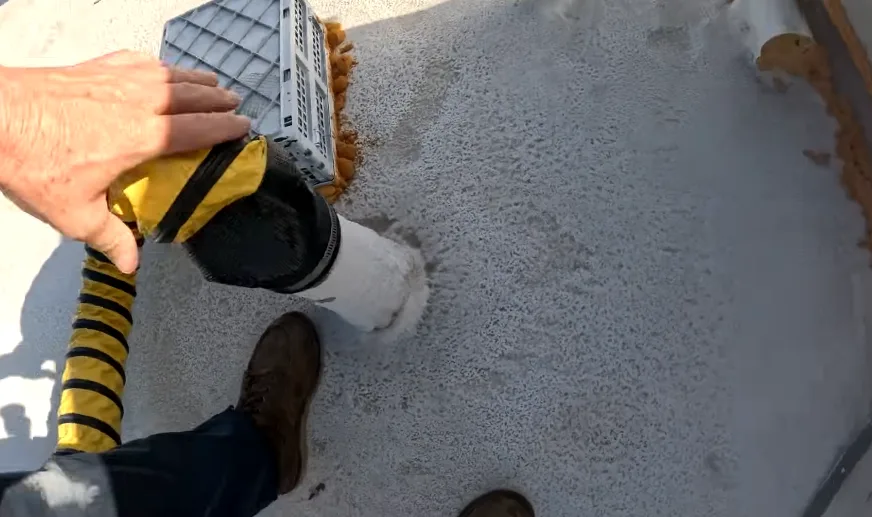
The Second Trigger
Muck ground holds water. When field, canal bank and rim burrows flood, whole populations move toward dry structures simultaneously rather than gradually.
So there are two moments worth acting on here rather than one: harvest, and high water. If activity begins within a week or two of either, the mechanism is displacement rather than anything you did or failed to do.
Cane coming down near you? Seal before it does, not after.
Questions
Frequently Asked Questions
Cane is being harvested near me and it started suddenly. Connected?
Almost certainly. Standing cane holds very large populations across enormous acreage, and harvest or burning displaces them at once toward the nearest structures. It arrives as a wave over days rather than building gradually.
When should I have the work done?
Before the cane near you comes down. Harvest runs roughly October into April, and you generally get visible warning. The properties that stay quiet through a harvest are the ones that were already sealed.
Could I have Norway rats rather than roof rats?
Very likely here, and possibly both. Overhead noise at night is roof rats and the work happens on the roofline. Burrows near a foundation, canal bank or the rim is Norway rat and the work happens at grade with heavier sealing.
I run a packing house. Is this the same service?
No, and it should not be quoted as one. Bulk produce handling is Norway rat territory at ground level and needs a monitored programme with documentation, scheduled around operations rather than an attic job.
Can the canal banks or the rim be cleared?
Not by you. They are maintained by agencies rather than homeowners and function as permanent linear habitat connecting the whole area. What can be fixed is your building envelope, including at grade.
Areas Covered in This Post
Where This Applies
- Rodent Control Belle Glade
- Rodent Control Pahokee
- Rodent Control South Bay
- Rodent Control Canal Point
- Commercial Rodent Control
More from the Palm Beach County blog, or see the Palm Beach County service area page.